


NISSAN GT-R R35










Nissan GT-R R35 – Engineering Beyond Conventional Performance
The Nissan GT-R R35 stands apart from traditional performance cars. It was never designed as a lightweight sports coupe or a nostalgic flagship — instead, it emerged as a technology-driven platform engineered to challenge supercars through data, control systems and mechanical strength. From its introduction, the R35 redefined expectations of what a production vehicle could achieve when engineering discipline replaces marketing compromise.
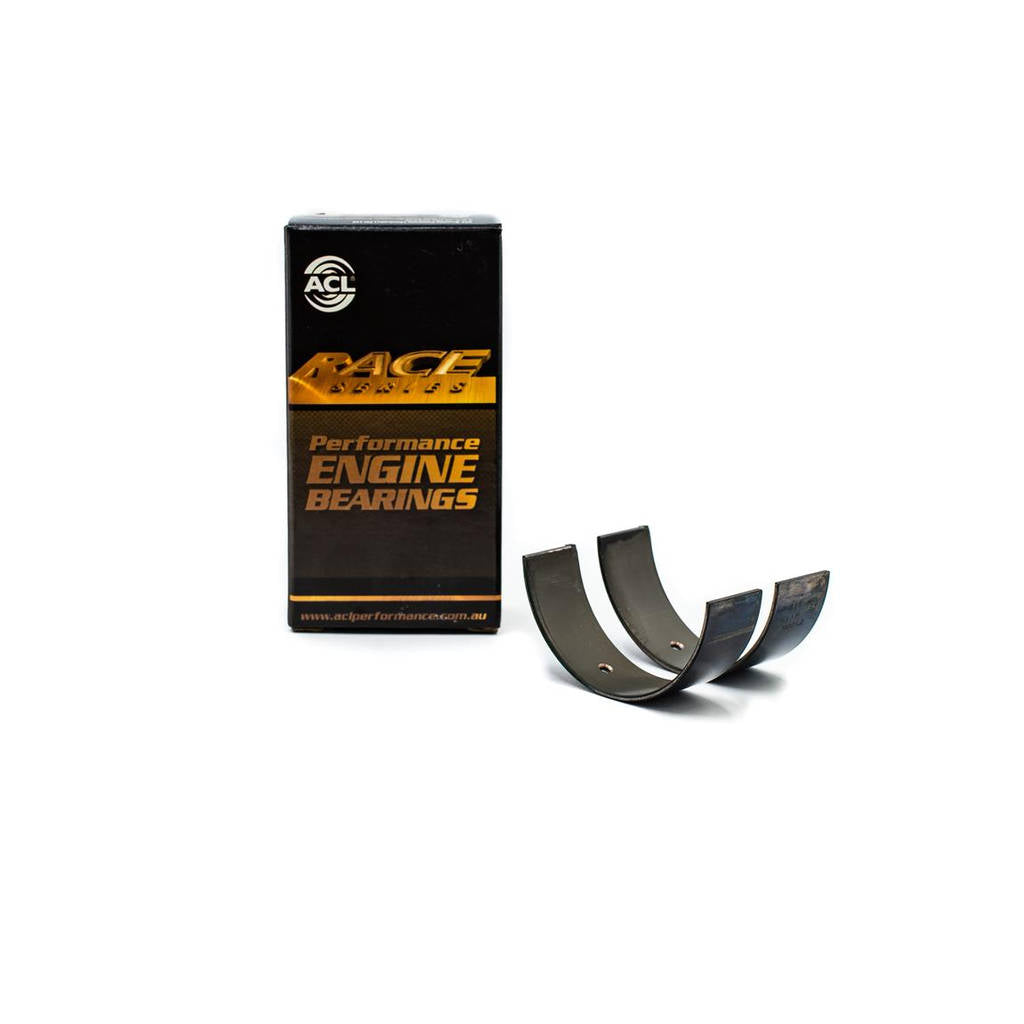
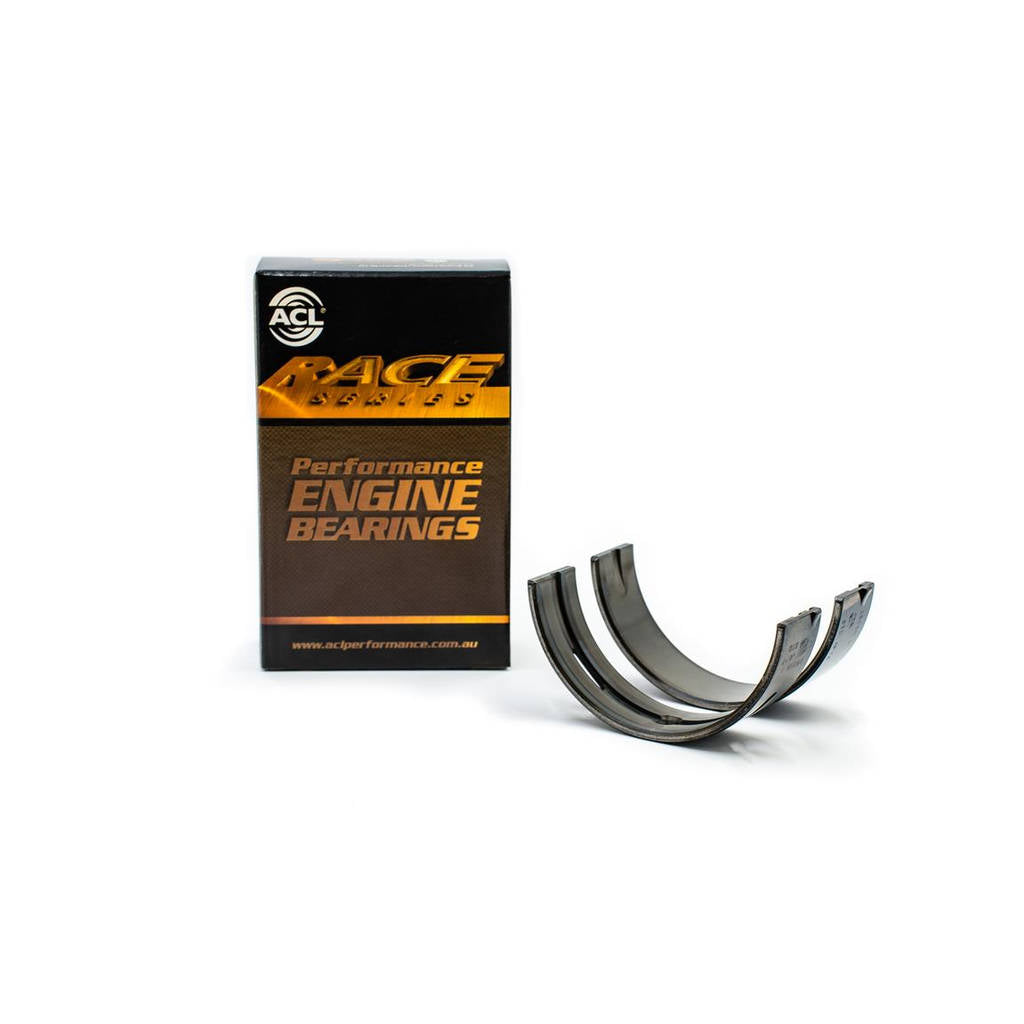
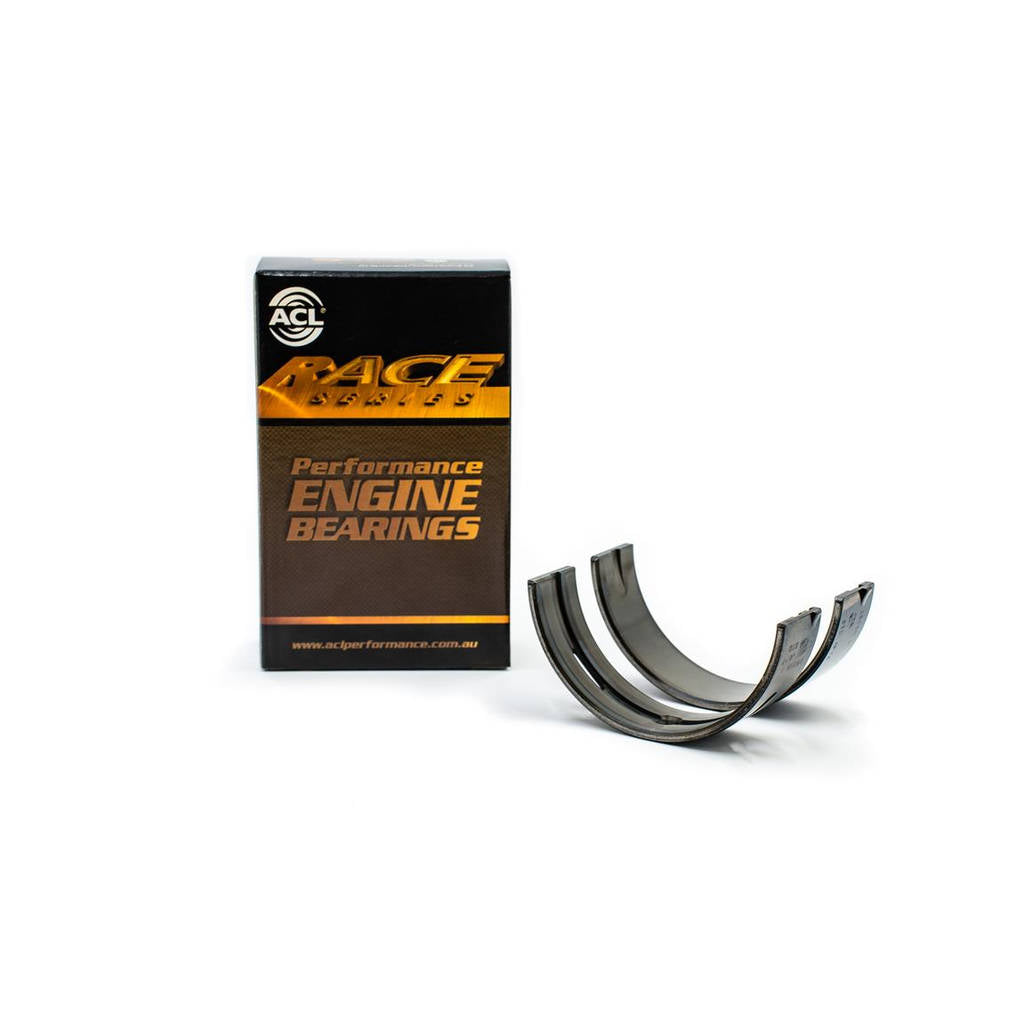
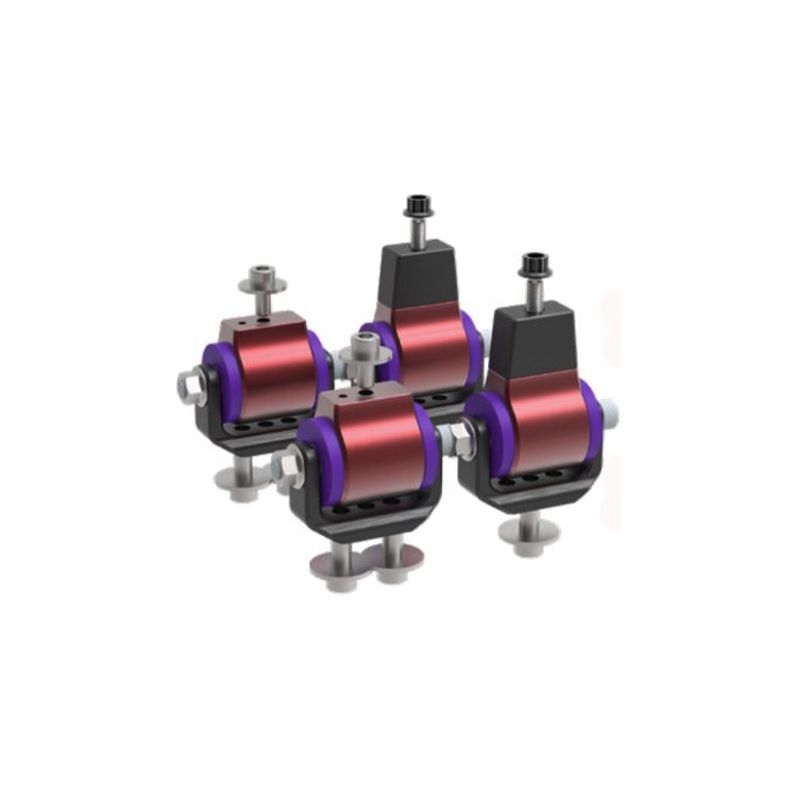
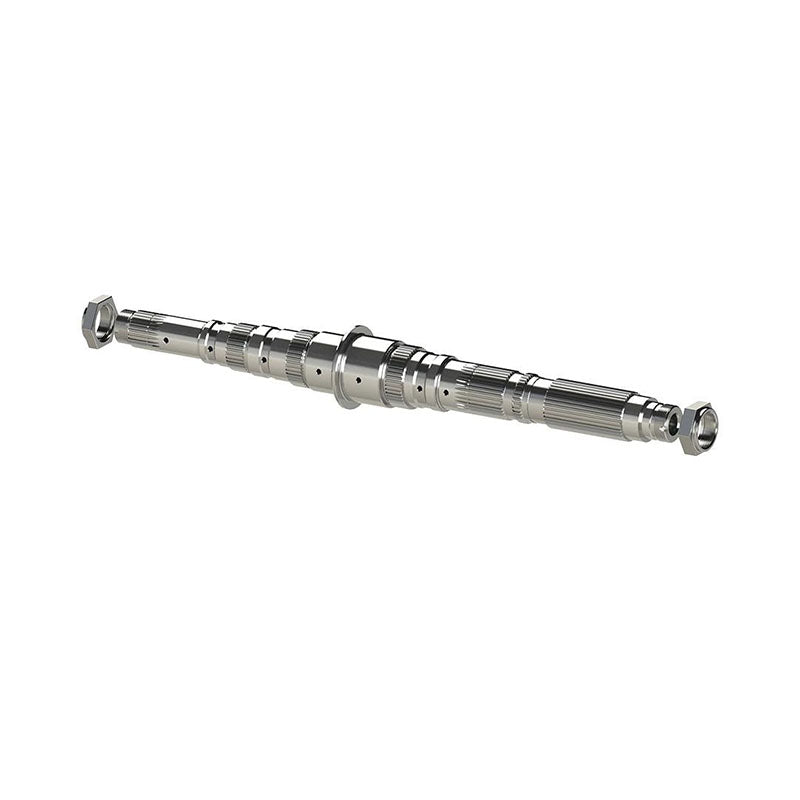
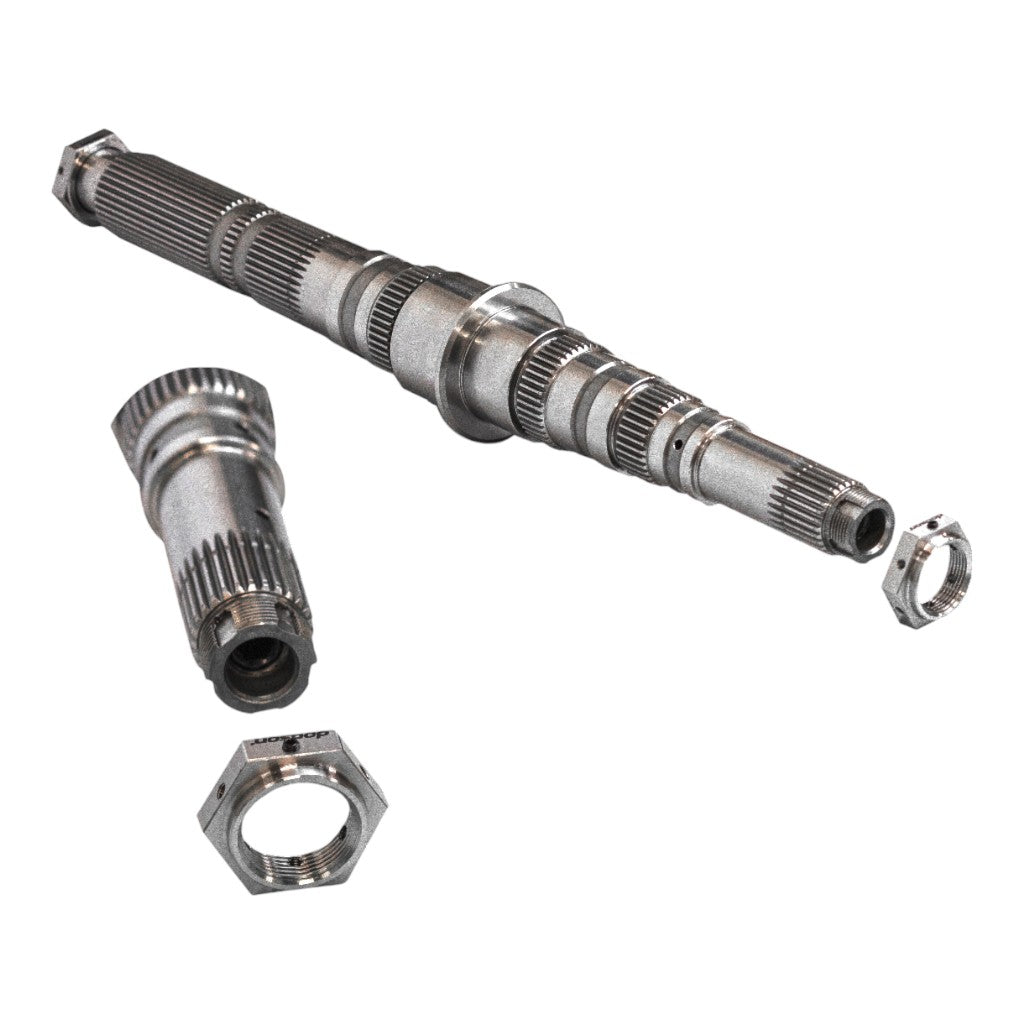
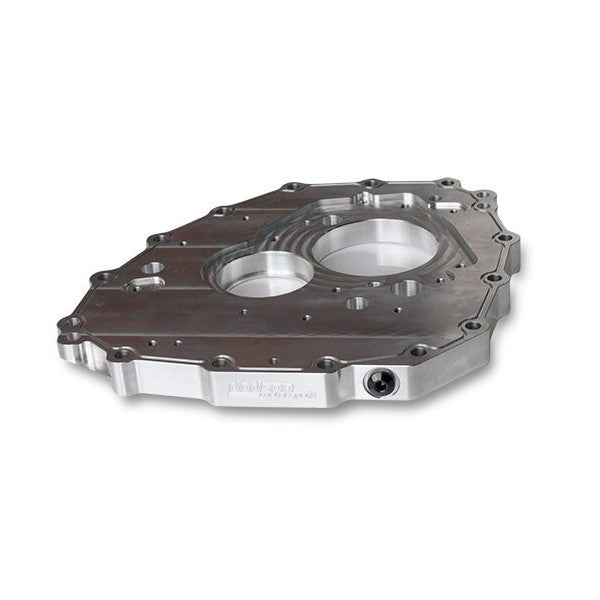
At ATOMIC-SHOP, the Nissan GT-R R35 category focuses on the foundation of performance: engine durability, airflow efficiency and mechanical stability under extreme operating conditions. These components are intended for owners who understand that sustained performance matters more than peak figures.
VR38DETT – A High-Stress Power Unit by Design
The heart of the GT-R R35 is the VR38DETT engine — a hand-assembled, twin-turbocharged V6 designed to operate under continuous thermal and mechanical load. Unlike many high-performance engines, the VR38 was engineered with forced induction in mind from the outset, making it uniquely capable of supporting significant power increases when properly reinforced.
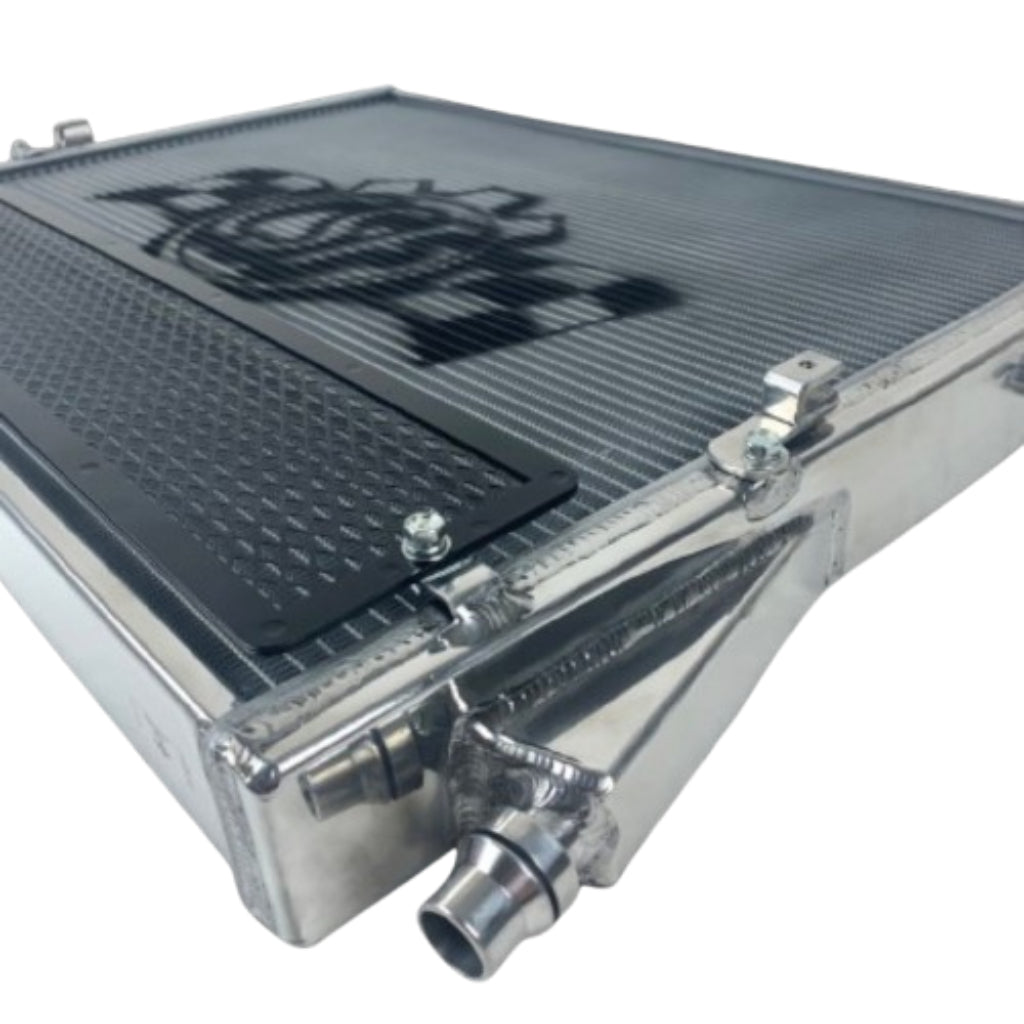
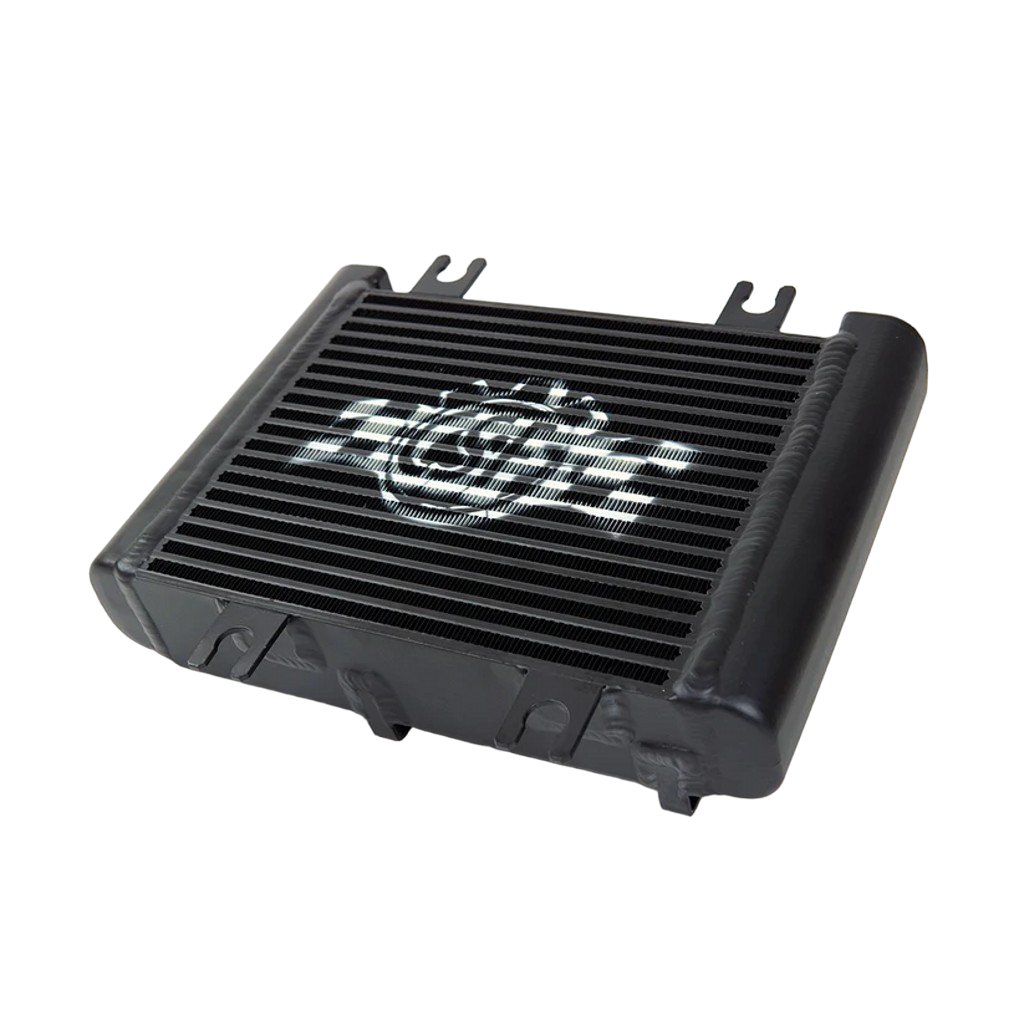
However, as output levels rise, so do stresses across the valvetrain, exhaust flow path and internal components. Performance upgrades for the GT-R must therefore focus on controlling heat, pressure and rotational stability — not simply adding boost.
Exhaust Flow Components & Turbo Efficiency
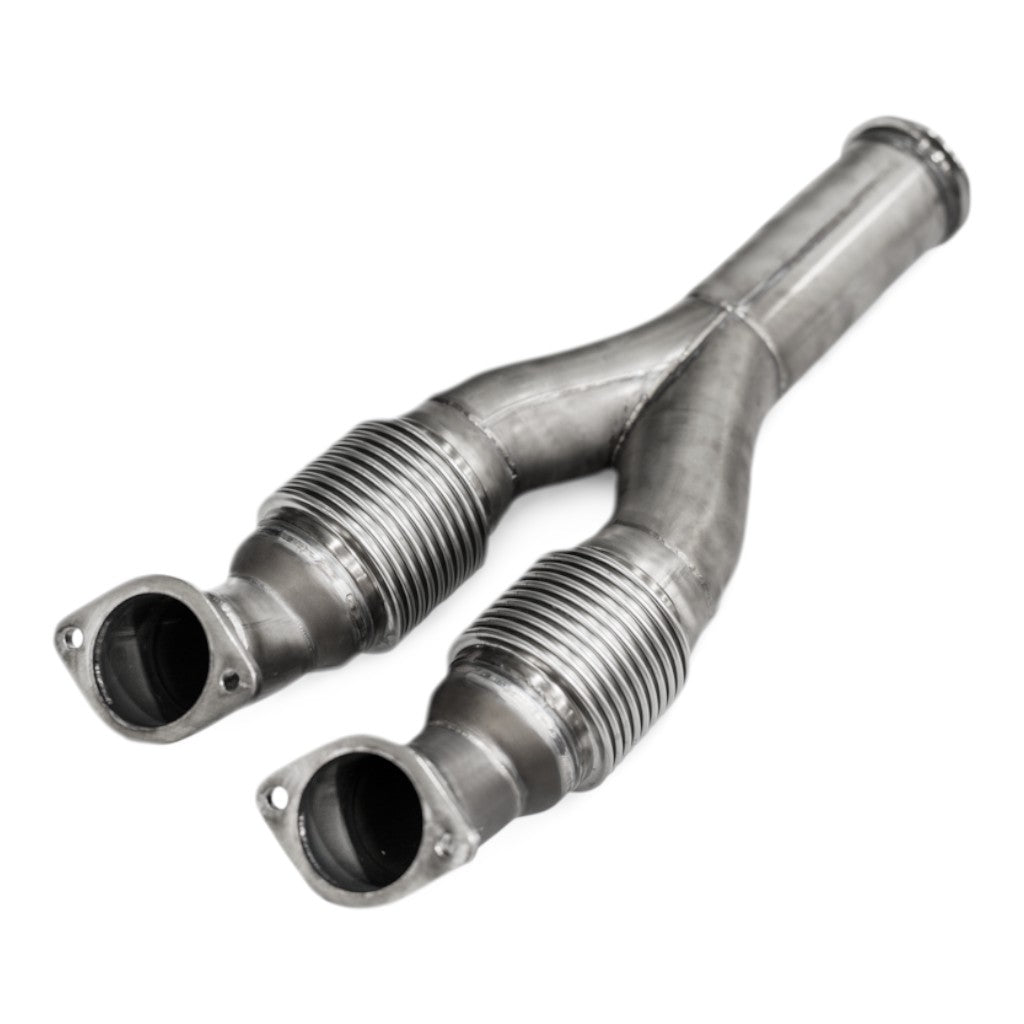
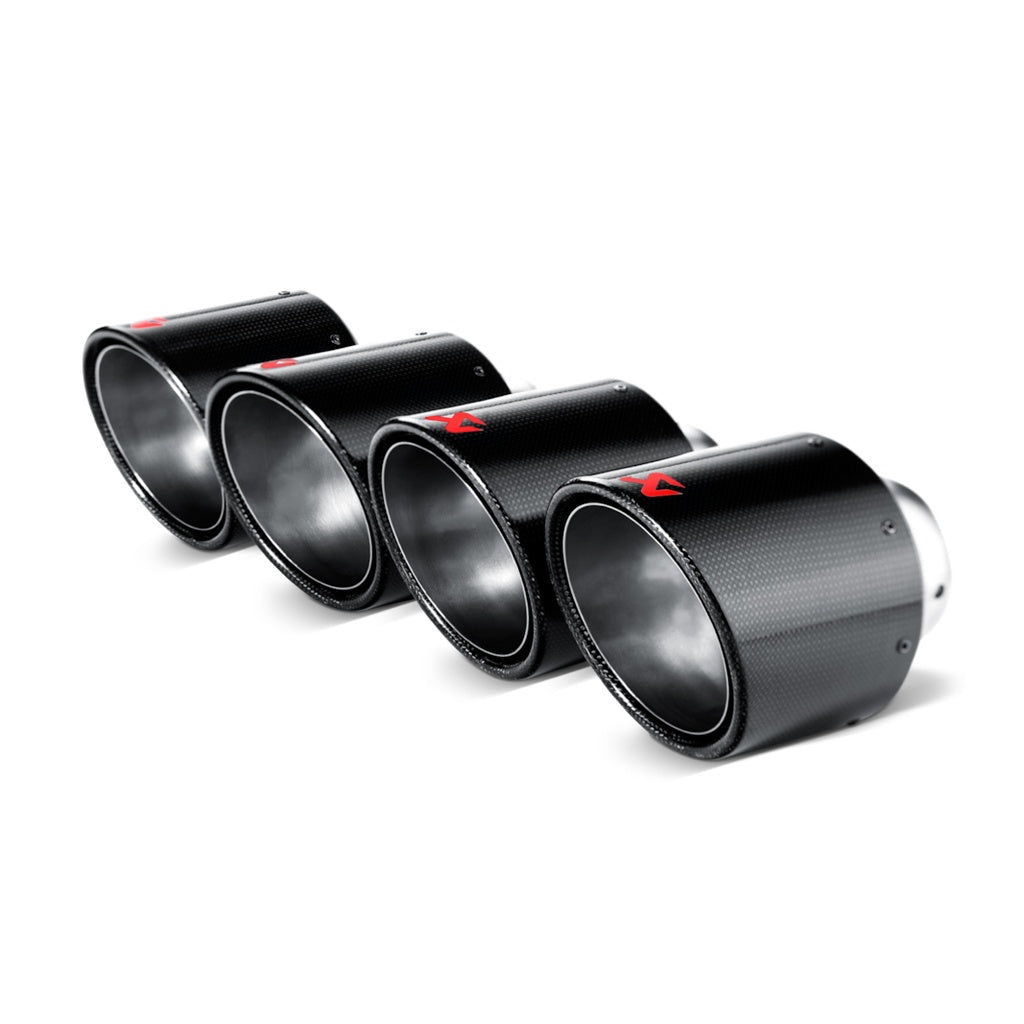
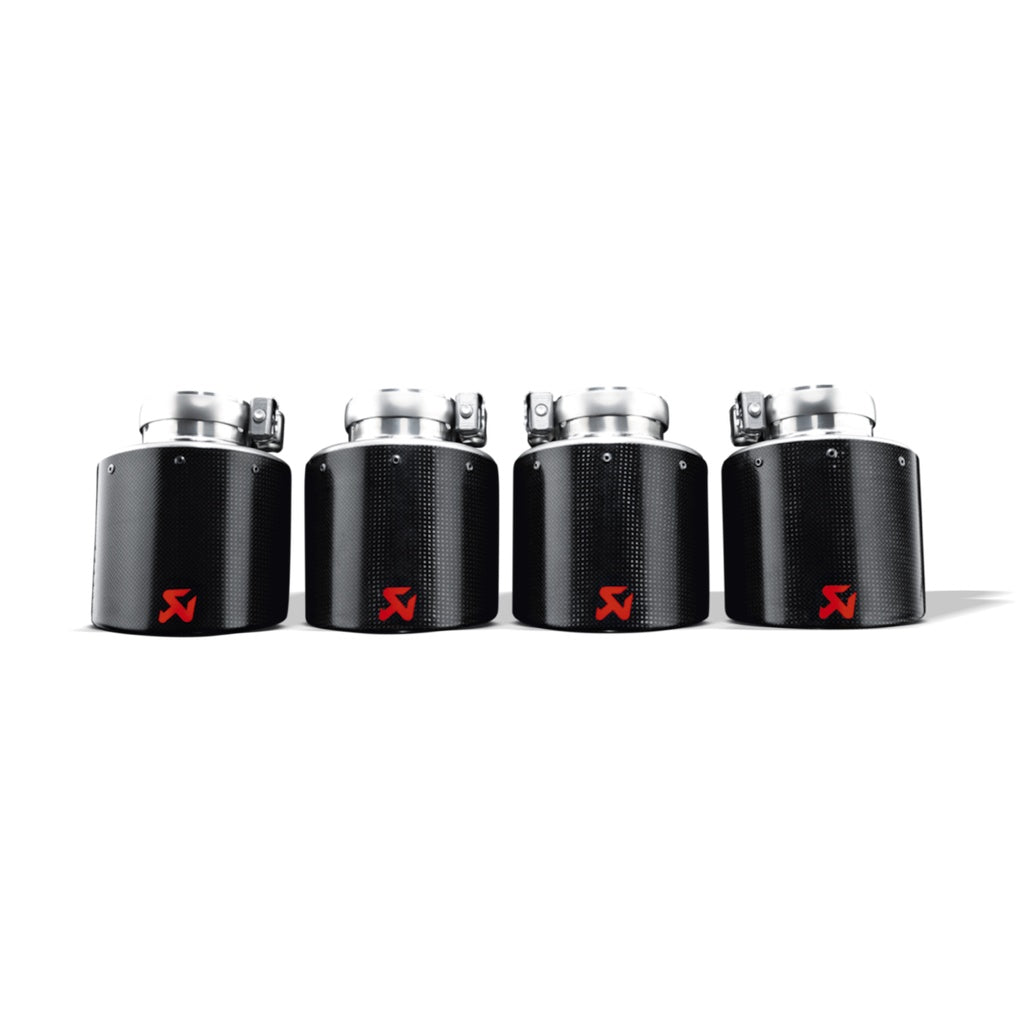
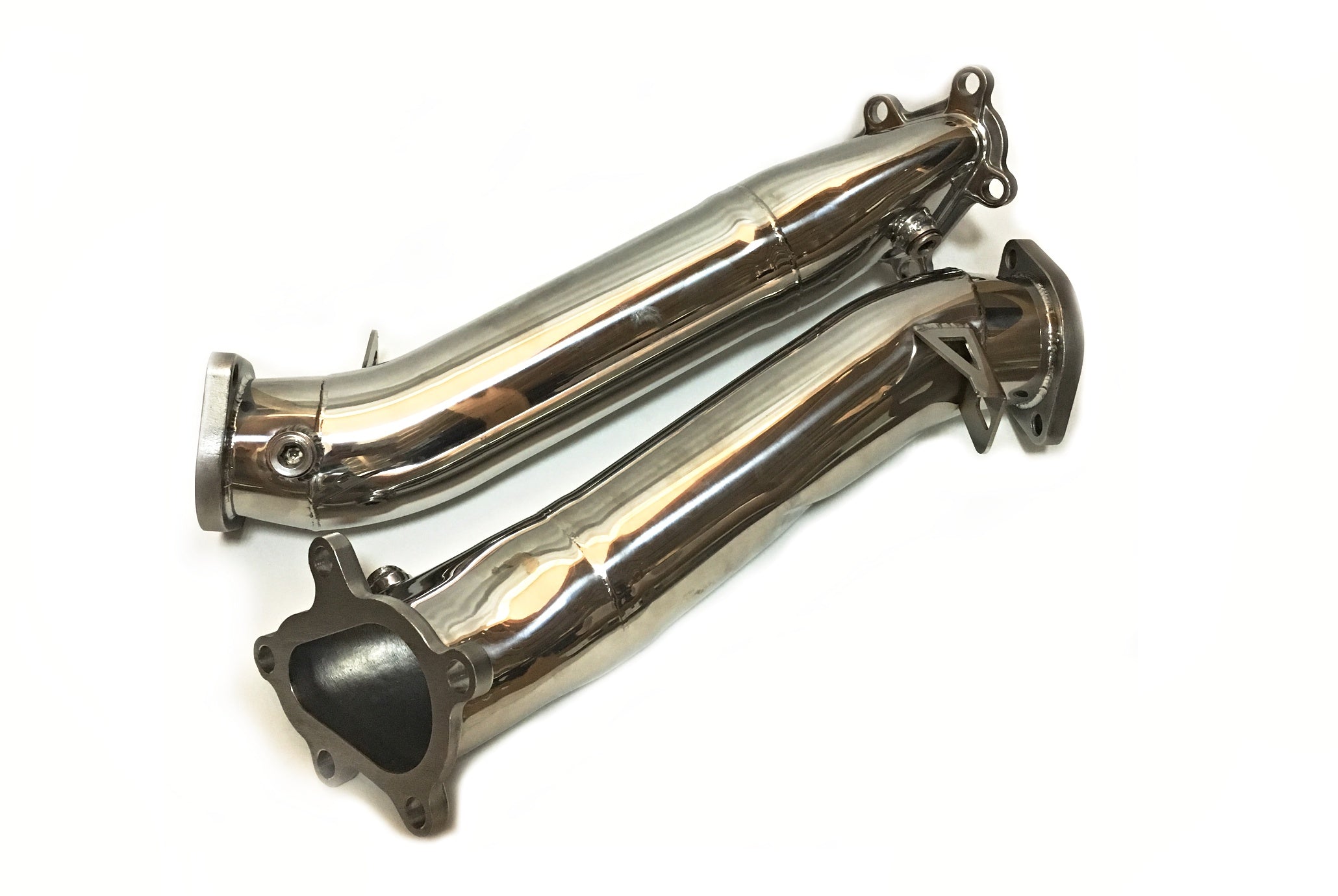
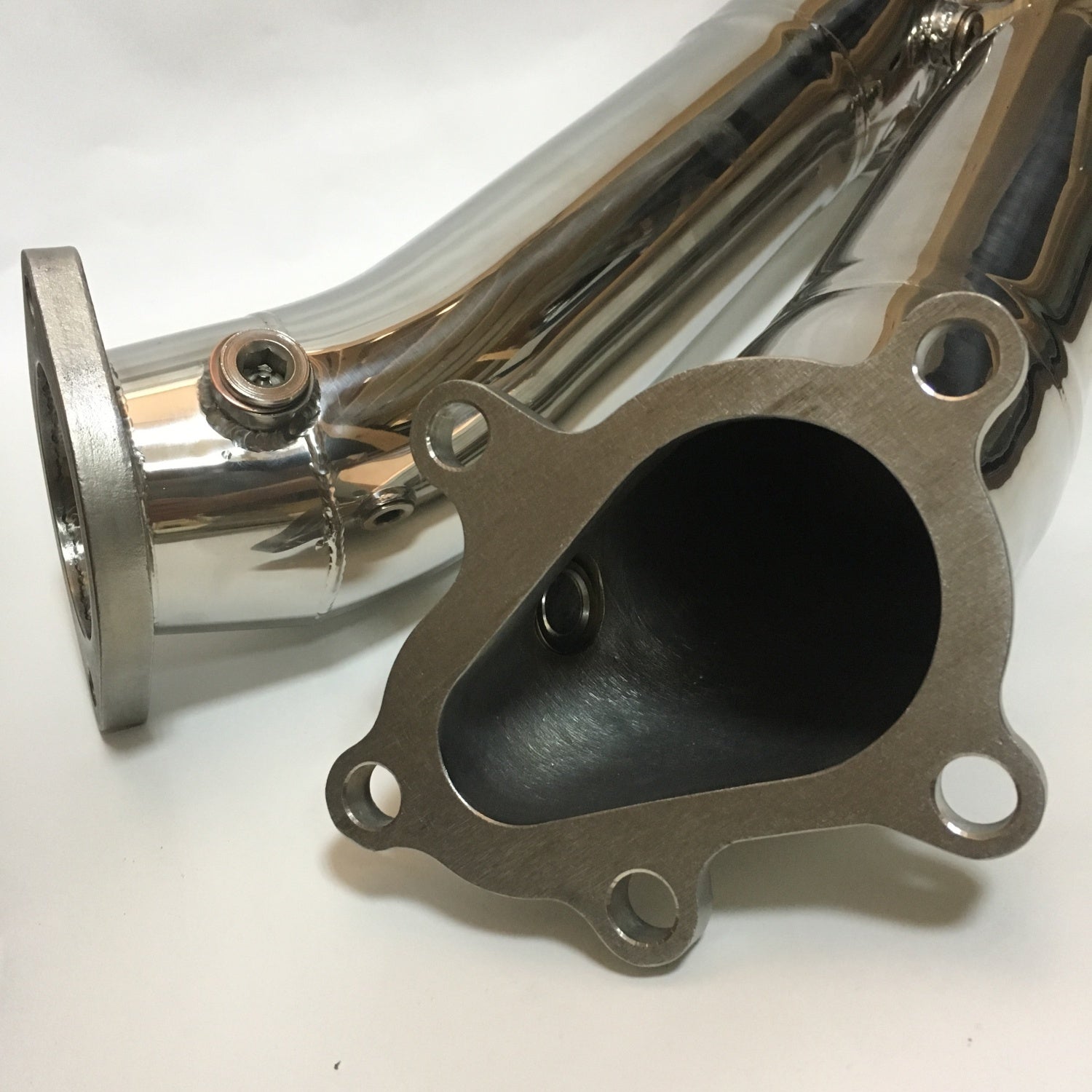
Efficient exhaust flow is critical for any turbocharged engine, and the GT-R R35 is no exception. Downpipes, exhaust hardware and catalytic solutions play a major role in reducing back pressure and improving turbine efficiency.
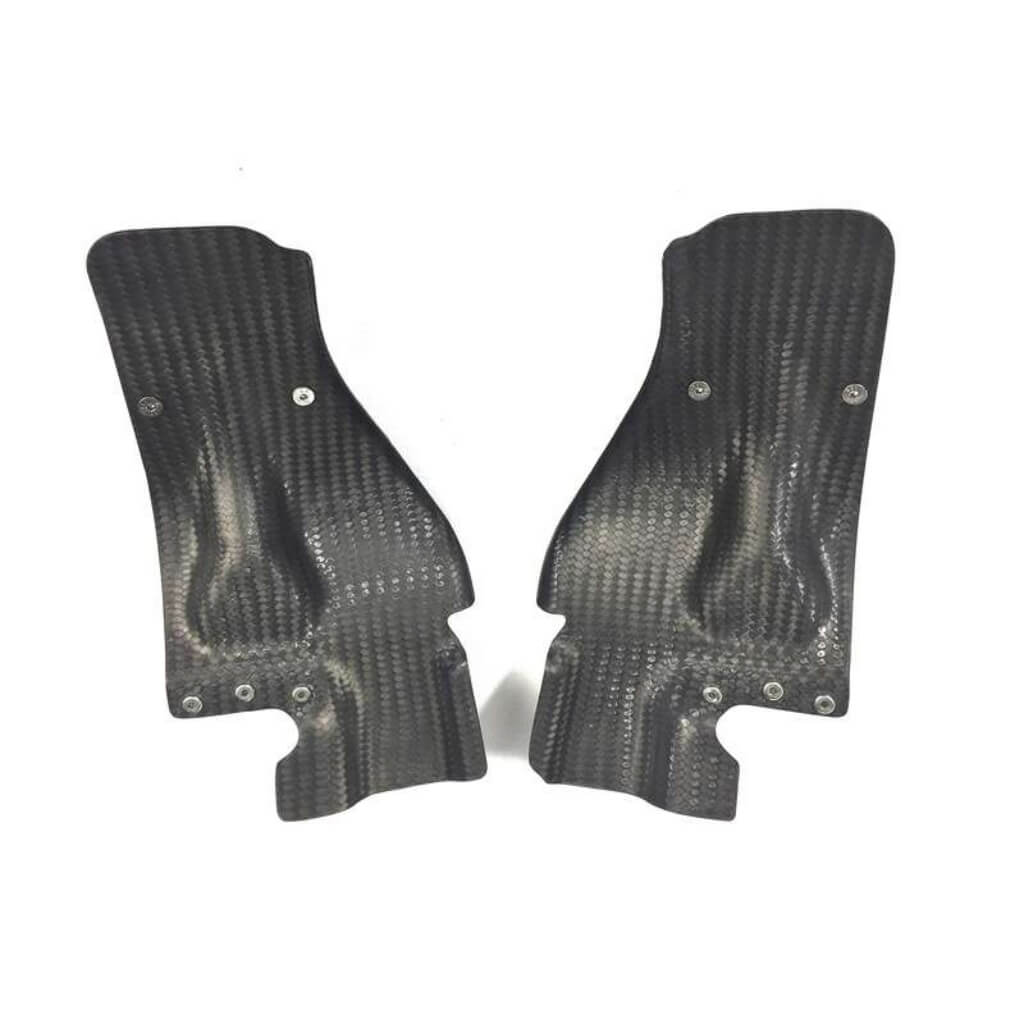
By optimizing exhaust gas evacuation, these components allow turbochargers to spool more predictably and operate within safer efficiency ranges. Reduced exhaust restriction also lowers thermal load within the engine bay, contributing to improved long-term reliability during aggressive driving or extended high-load operation.
Valvetrain Reinforcement for High-RPM Operation
As power and boost increase, valvetrain stability becomes a defining factor in engine longevity. Factory valve springs are designed for stock operating ranges and can struggle under sustained high-RPM or high-boost conditions.
Upgraded valve springs and retainers increase control over valve motion, preventing float and ensuring precise timing at elevated engine speeds. This is essential for GT-R builds that see repeated high-load acceleration, track use or competitive driving where engine speed remains consistently high.
Performance Valves & Thermal Resistance
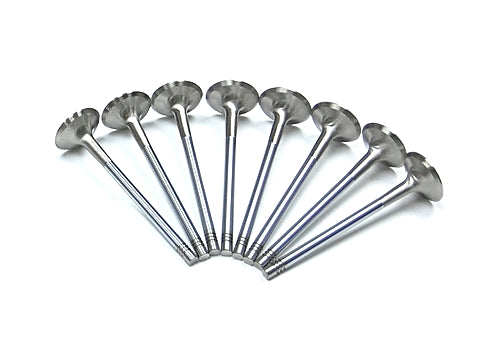
Valves are exposed to extreme heat and combustion pressure in turbocharged engines. Performance-oriented valve upgrades utilize improved alloys and manufacturing processes to resist deformation, heat fatigue and sealing degradation.
For the GT-R R35, reinforced valves support consistent combustion efficiency and reduce the risk of failure during prolonged high-performance operation. These upgrades become increasingly important as boost levels rise or when the vehicle is subjected to repeated heat cycles.
Durability as a Performance Strategy
High-performance engineering is not solely about producing maximum output — it is about ensuring that output can be delivered repeatedly, safely and predictably. In the GT-R R35 ecosystem, durability-focused upgrades form the backbone of any serious build.
Engine components designed to withstand thermal stress, rotational load and sustained pressure allow the platform to perform as intended across real-world conditions, not just controlled dyno environments.
Supporting High-Power Builds with Mechanical Integrity
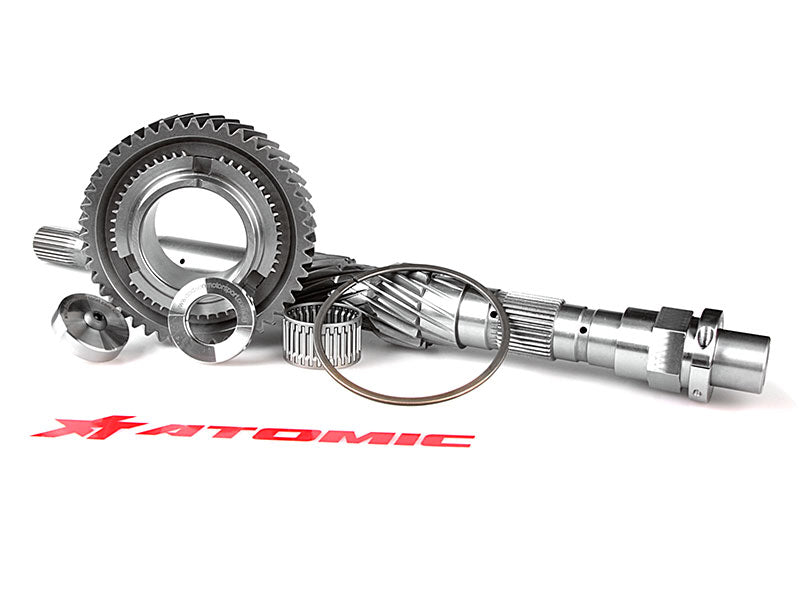
As GT-R R35 builds progress beyond factory specifications, attention must shift toward internal reinforcement and supporting hardware. Valvetrain upgrades, exhaust flow improvements and carefully selected internal components help maintain engine balance as output increases.
These components do not exist to chase numbers — they exist to ensure that power delivery remains stable, controllable and reliable, whether the car is used for aggressive street driving, track sessions or standing-start performance events.
ATOMIC-SHOP Philosophy for GT-R R35 Components
ATOMIC-SHOP approaches the Nissan GT-R R35 with a clear philosophy: performance must be engineered, not improvised. Every component in this category is selected based on compatibility, mechanical purpose and long-term reliability.
Rather than offering generic upgrades, we focus on parts that support the GT-R’s mechanical systems as a whole. This ensures that each modification contributes to a balanced, resilient and predictable performance package.
Precision Over Excess
The GT-R R35 rewards precision. Its advanced drivetrain and engine management systems demand components that integrate seamlessly and perform consistently. Poorly matched upgrades introduce instability, heat imbalance and mechanical risk.
By focusing on critical systems — airflow, valvetrain control and exhaust efficiency — GT-R owners can build vehicles that maintain their performance edge without compromising reliability.
Engineering Confidence at Every Load Level
Whether operating at moderate power levels or pushing toward extreme output, the Nissan GT-R R35 benefits from upgrades that strengthen its mechanical foundation. These components provide confidence under load, reduce wear and support long-term performance goals.
At ATOMIC-SHOP, we support GT-R owners who prioritize engineered solutions, mechanical understanding and upgrades that respect the platform’s design philosophy.
Performance That Endures
The true measure of performance is not acceleration alone — it is repeatability. The Nissan GT-R R35 remains one of the most capable performance platforms ever produced because it was engineered with endurance in mind.
With the right components and a disciplined approach to upgrades, the GT-R R35 continues to set benchmarks not through excess, but through control, durability and intelligent engineering.