


Subaru STI 2000–2008


Subaru STI 2000–2008 – Raw AWD Turbocharged Rally Heritage
The Evolution of an Icon: Bugeye, Blobeye, and Hawkeye
The period between 2000 and 2008 represents the definitive era of the Subaru Impreza WRX STI. It began with the "Bugeye" (GDA/GDB), which introduced the world to the New Age Impreza chassis, followed by the beloved "Blobeye" and the aggressive "Hawkeye" facelifts. This generation wasn't just about looks; it was the era of the DCCD (Driver's Control Centre Differential) development and the legendary EJ207/EJ257 engines. These cars were born from the dust of the WRC, carrying the spirit of Petter Solberg’s championship-winning machines directly to the showroom floor. For many enthusiasts, this is the purest expression of Subaru’s "win on Sunday, sell on Monday" philosophy.
The Golden Era of the GD-Chassis STI
The Subaru STI 2000–2008 represents one of the most iconic periods in modern Japanese performance car history. Known internally as the GD-generation platform and recognized globally through the legendary “bugeye,” “blobeye,” and “hawkeye” evolutions, this era of Subaru STI became deeply connected with the golden age of the World Rally Championship. During the early and mid-2000s, Subaru’s blue-and-gold rally cars dominated motorsport culture, and the road-going STI inherited much of that same raw mechanical identity.
Unlike many modern AWD performance platforms that prioritize refinement and electronic intervention, the GD-generation STI was engineered around directness, mechanical traction, and aggressive turbocharged character. Hydraulic steering, symmetrical all-wheel drive, short gearing, and the turbocharged EJ-series boxer engine created a platform that constantly communicated with the driver through steering feedback, drivetrain response, and chassis movement.
The compact dimensions and relatively lightweight chassis gave the STI a uniquely agile personality. Whether attacking mountain roads, loose-surface rally stages, or fast circuits, the platform rewarded drivers who understood weight transfer, boost management, and throttle steering. Even decades later, the 2000–2008 STI remains one of the most respected analog AWD performance cars among enthusiasts worldwide.
At ATOMIC-SHOP, we offer a carefully selected range of Subaru STI 2000–2008 performance parts focused on preserving and sharpening the raw character that defines the GD-generation platform. From drivetrain reinforcement and suspension tuning to braking upgrades and motorsport seating, our catalog supports everything from fast-road builds to rally-inspired and circuit-focused setups.
The EJ Boxer Engine and Early Turbocharged Subaru Character
The heart of the 2000–2008 STI platform is the turbocharged EJ-series flat-four engine. The EJ207 and early EJ257 variants became legendary because of their combination of turbocharged torque delivery, distinctive boxer acoustics, and enormous aftermarket tuning potential. Unlike naturally aspirated performance engines focused purely on linearity, the EJ platform built its identity around aggressive turbo spool, mid-range acceleration, and mechanical engagement under boost.
The boxer engine layout also contributed to the platform’s low center of gravity, improving front-end response and chassis balance during rapid transitions. Combined with Subaru’s symmetrical AWD architecture, the STI delivered exceptional traction while remaining highly adjustable under throttle application.
Performance upgrades for the GD-generation STI often begin with improving exhaust flow and turbocharger efficiency. Upgraded down-pipes, up-pipes, catalysts, and cat-back exhaust systems from manufacturers such as HKS significantly reduce restriction while improving turbo response characteristics.
- Improved turbo spool behavior under acceleration
- Reduced exhaust backpressure at elevated boost levels
- Sharper throttle response during transient load changes
- More aggressive boxer-engine exhaust acoustics
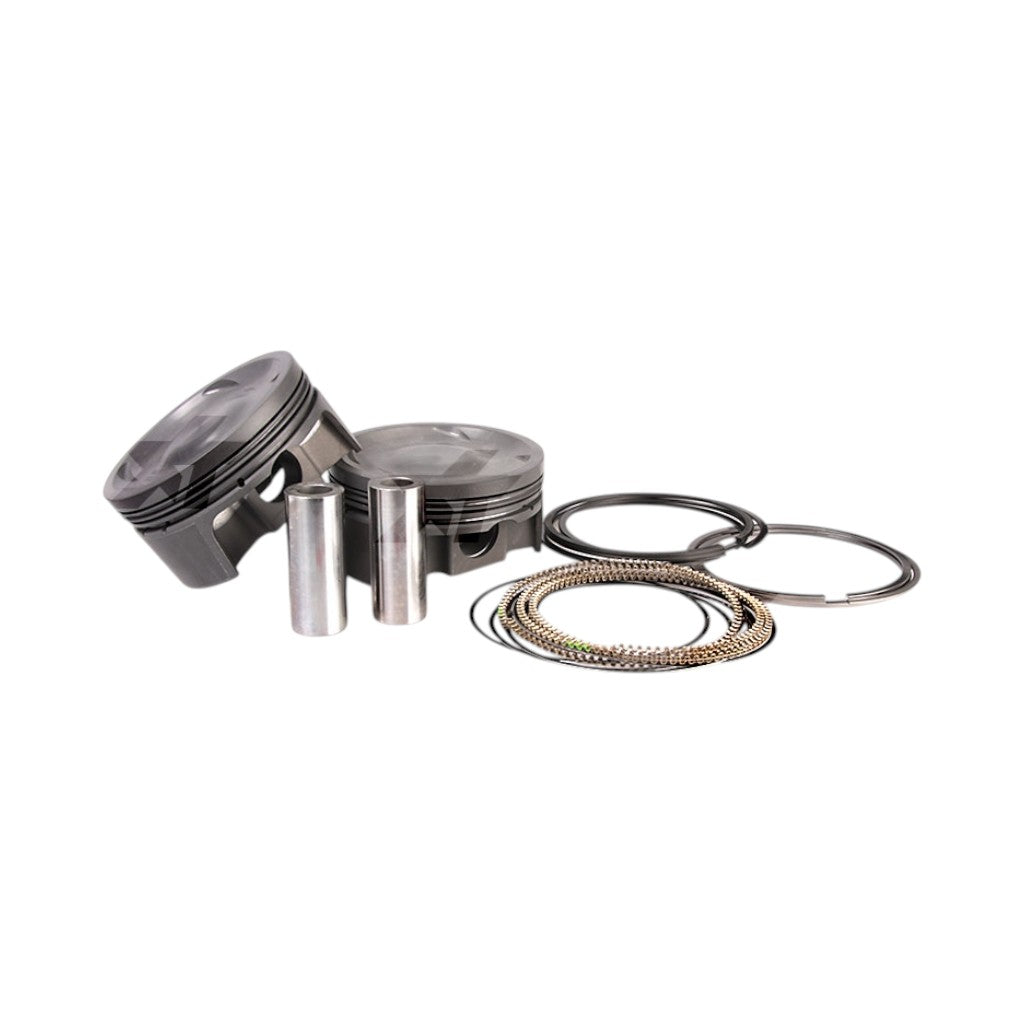
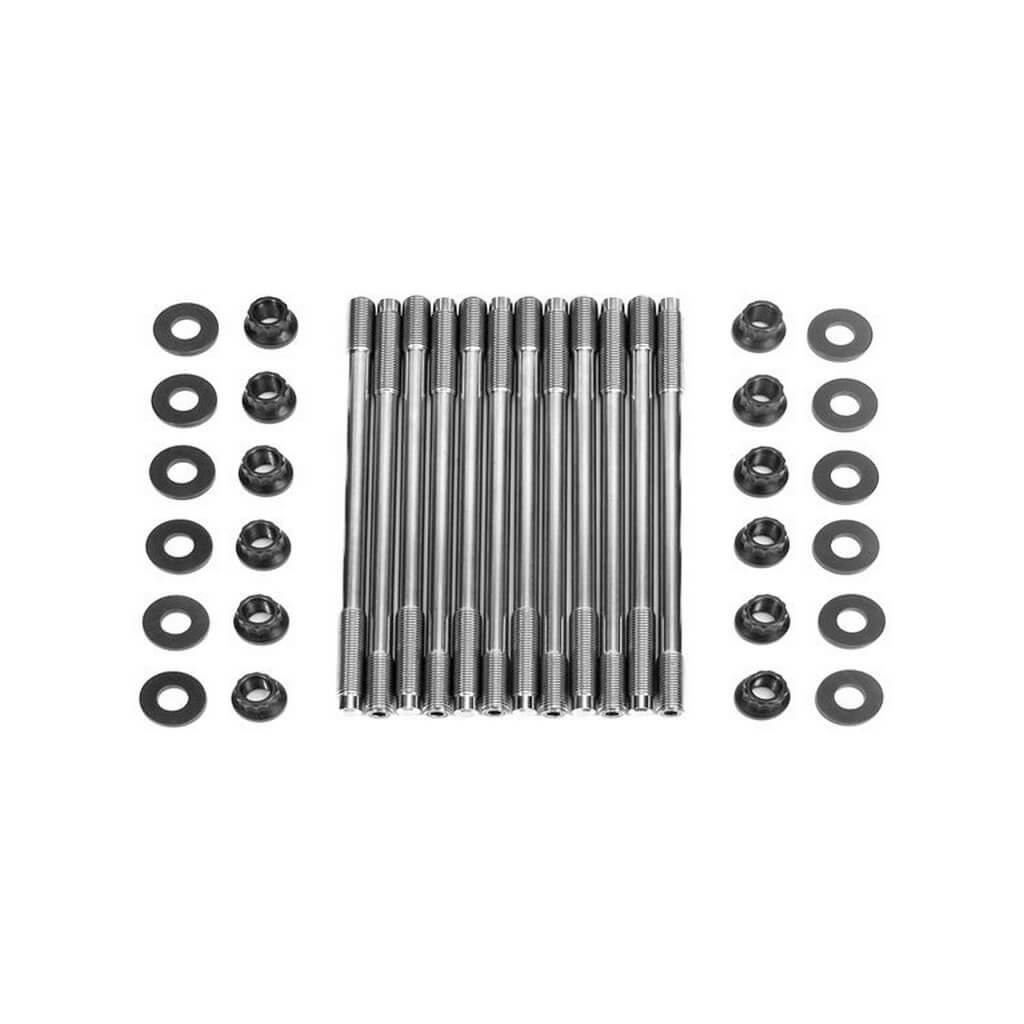
As boost pressure and engine load increase, reinforced internal components become increasingly important for long-term reliability. Upgraded main bearings, rod bearings, pistons, and high-strength engine hardware from manufacturers such as ACL, MAHLE, and ARP help improve durability under sustained high-rpm and high-temperature operation.
Mechanical AWD Dynamics and Differential Control
One of the defining characteristics of the 2000–2008 STI is the highly mechanical nature of its all-wheel-drive system. Unlike newer electronically filtered AWD platforms, the GD-generation STI constantly communicates available grip levels and drivetrain load through steering feel, chassis rotation, and throttle response.
The platform’s center differential behavior and symmetrical drivetrain layout allow the STI to remain highly adjustable under throttle, particularly in mixed-grip environments and aggressive corner-exit situations. This rally-derived chassis behavior became central to Subaru’s identity throughout the early 2000s.
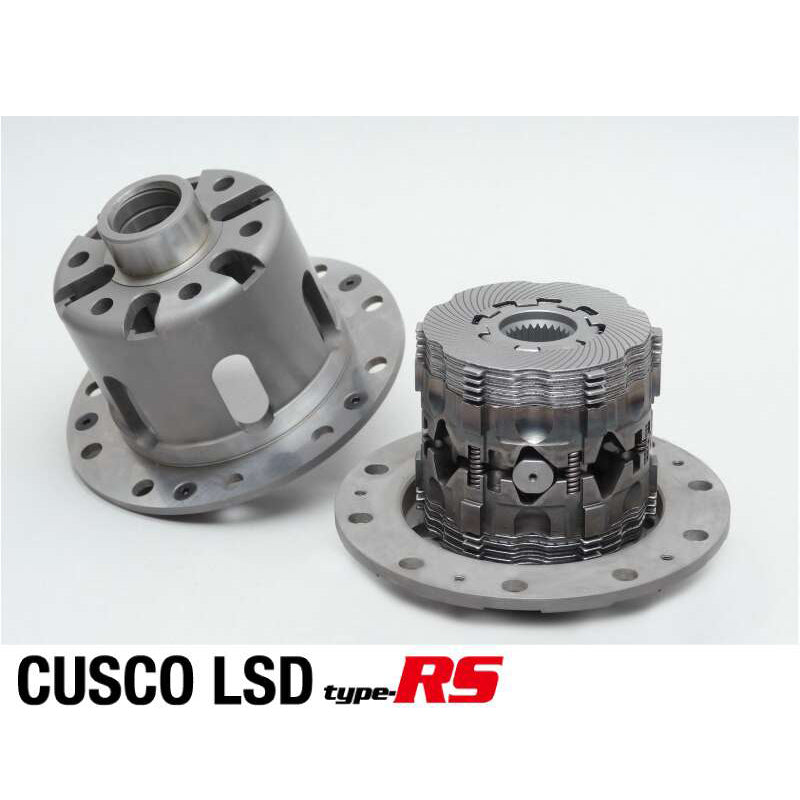
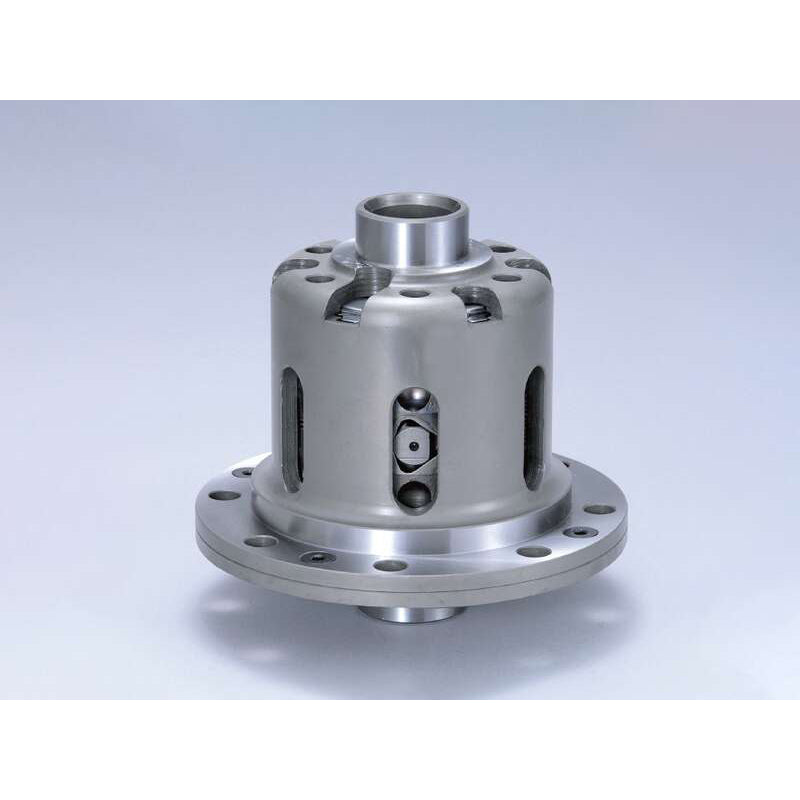
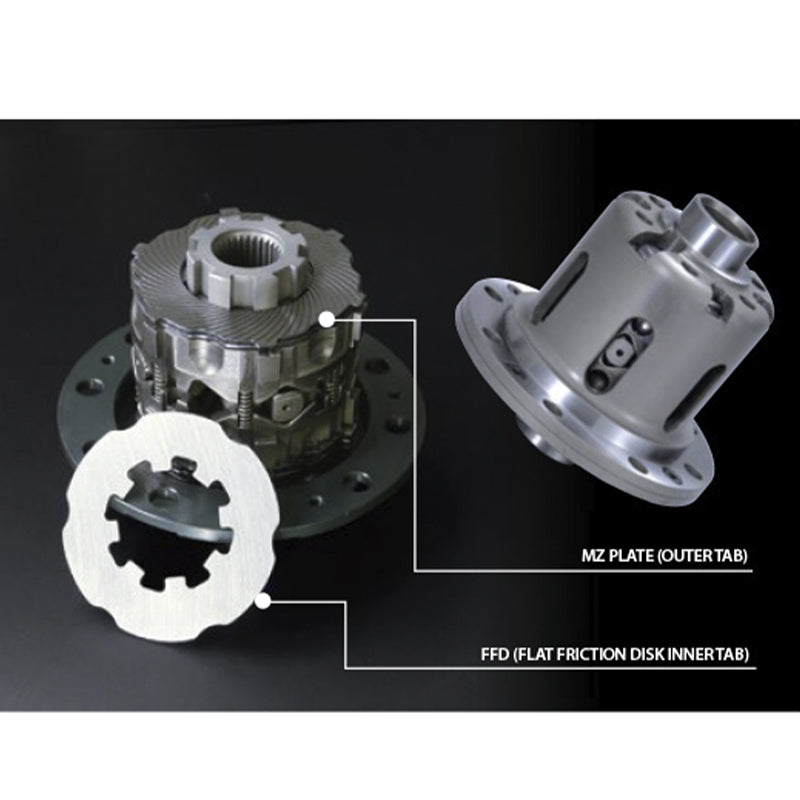
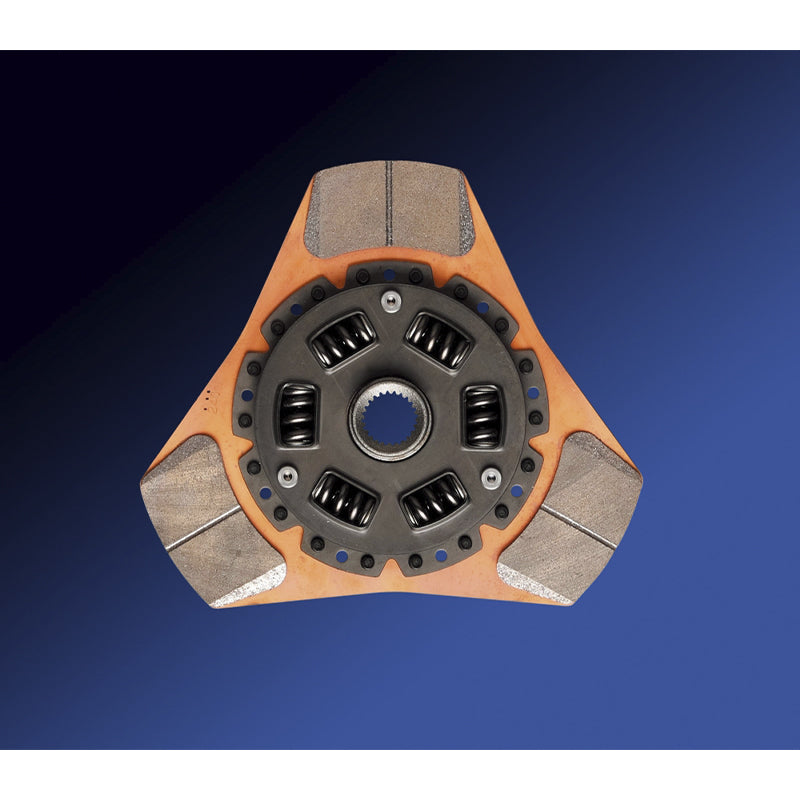
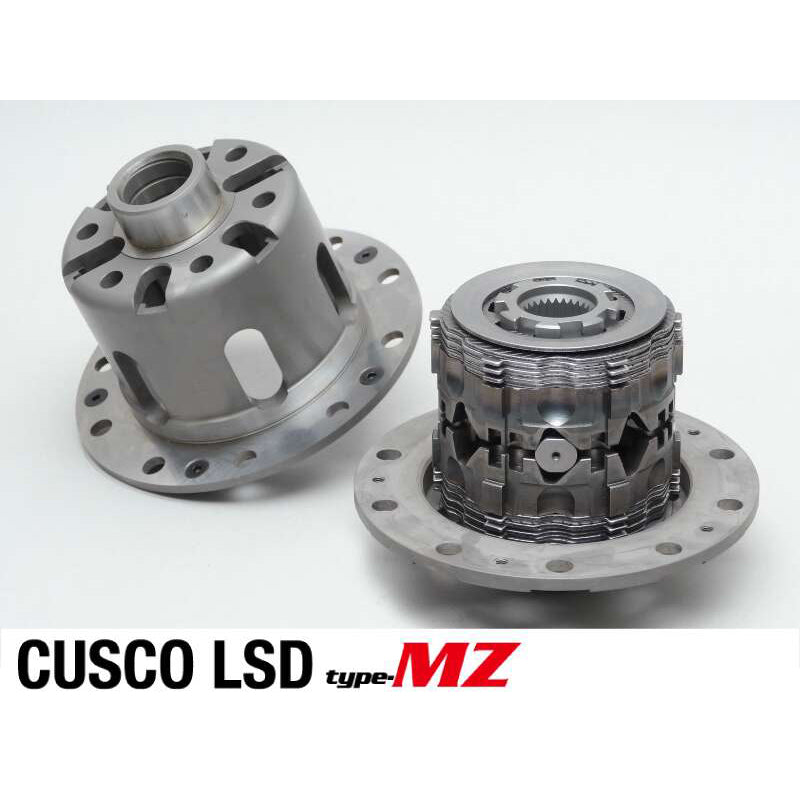
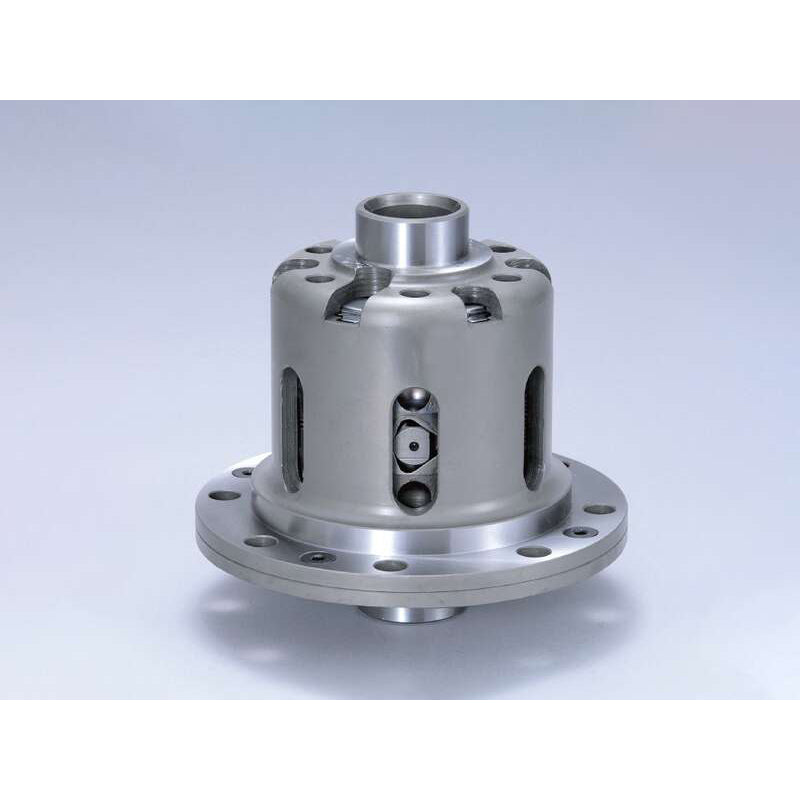
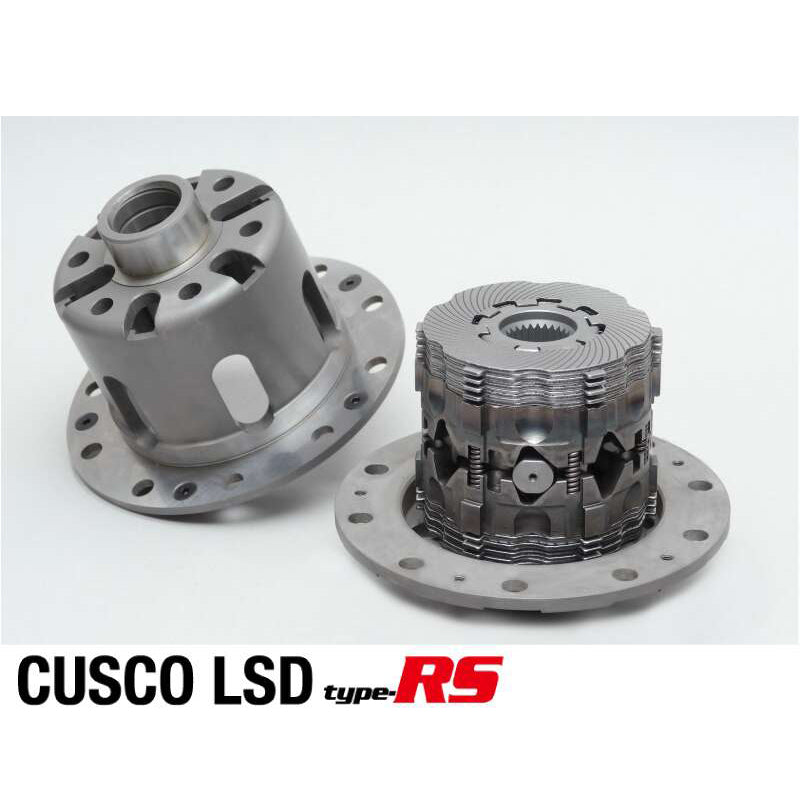
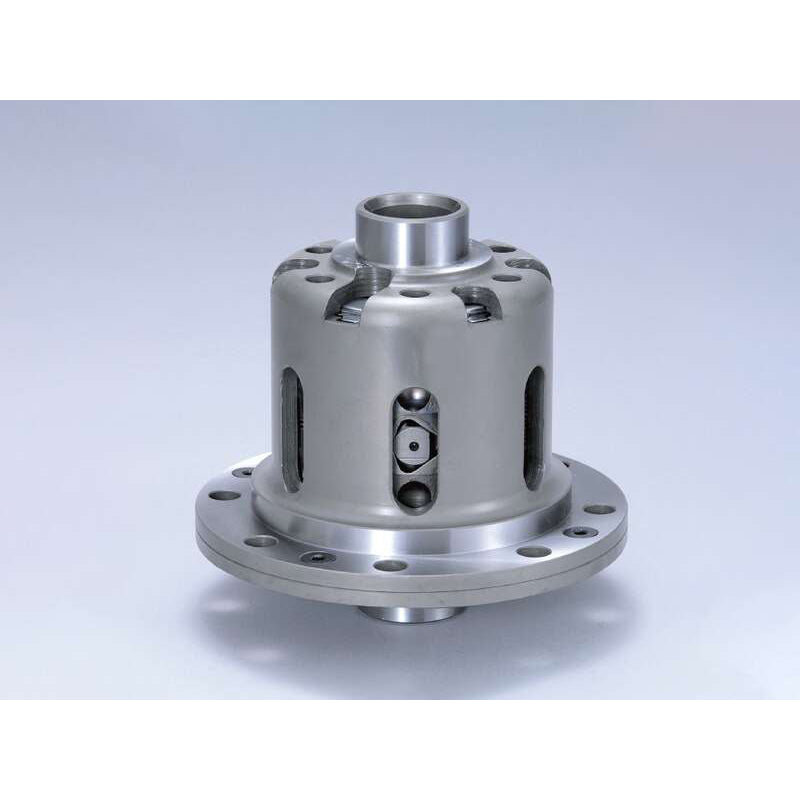
Upgraded differential carriers, drivetrain bushings, and reinforcement components from CUSCO and POWERFLEX improve drivetrain rigidity while reducing unwanted flex during aggressive launches and rapid directional changes.
- Improved torque transfer consistency under load
- Reduced drivetrain movement during hard acceleration
- Sharper AWD response during corner exit
- More predictable chassis balance near the limit
These upgrades become particularly important on track-oriented and higher-power STI builds where drivetrain precision strongly influences confidence and cornering stability.
GD-Chassis Suspension Behavior and Rally-Inspired Geometry
The GD-generation Subaru STI remains highly respected because of its combination of suspension compliance, compact dimensions, and aggressive chassis rotation. Unlike many modern performance sedans tuned primarily for smooth pavement, the STI retained much of its rally-inspired suspension philosophy, allowing the chassis to remain stable across uneven roads and rapidly changing grip conditions.
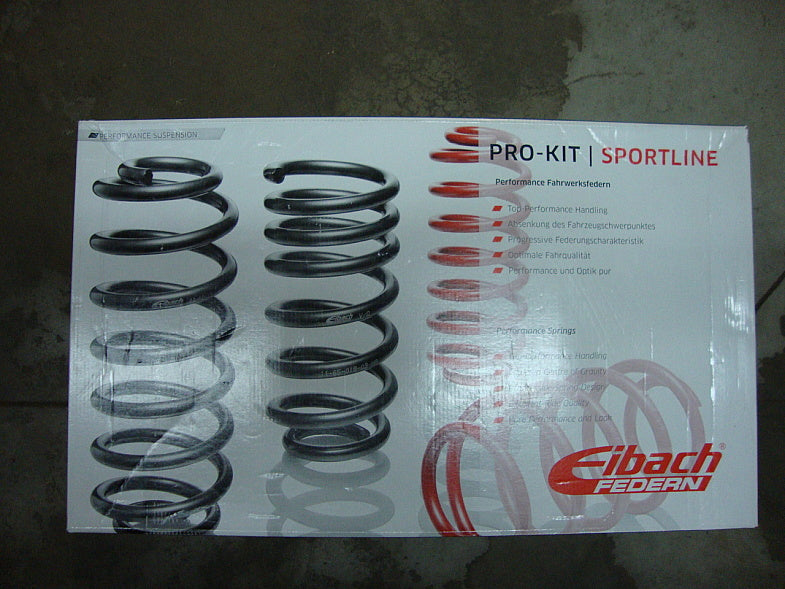
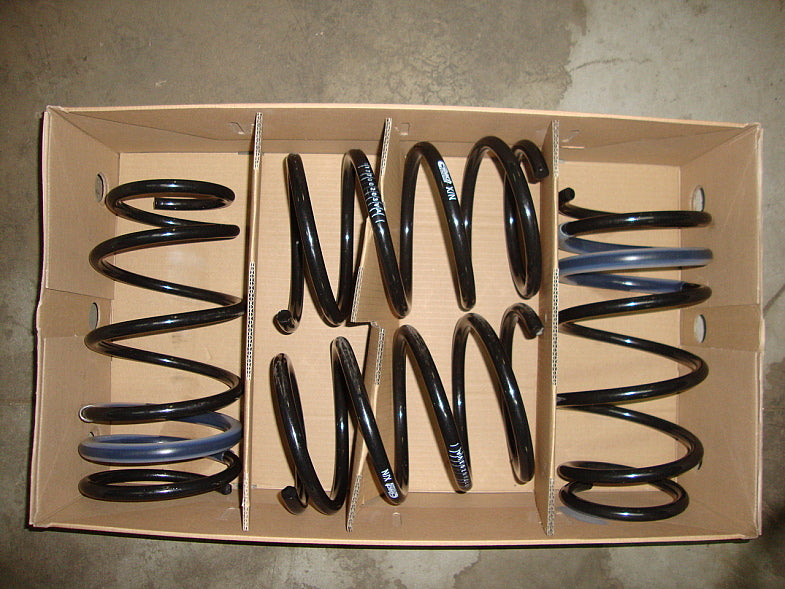
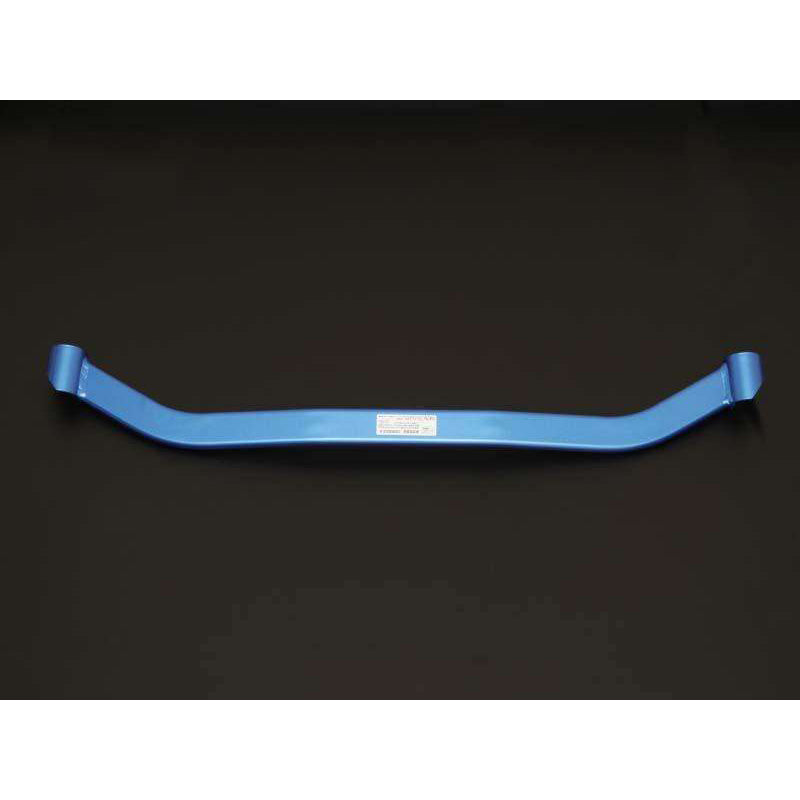
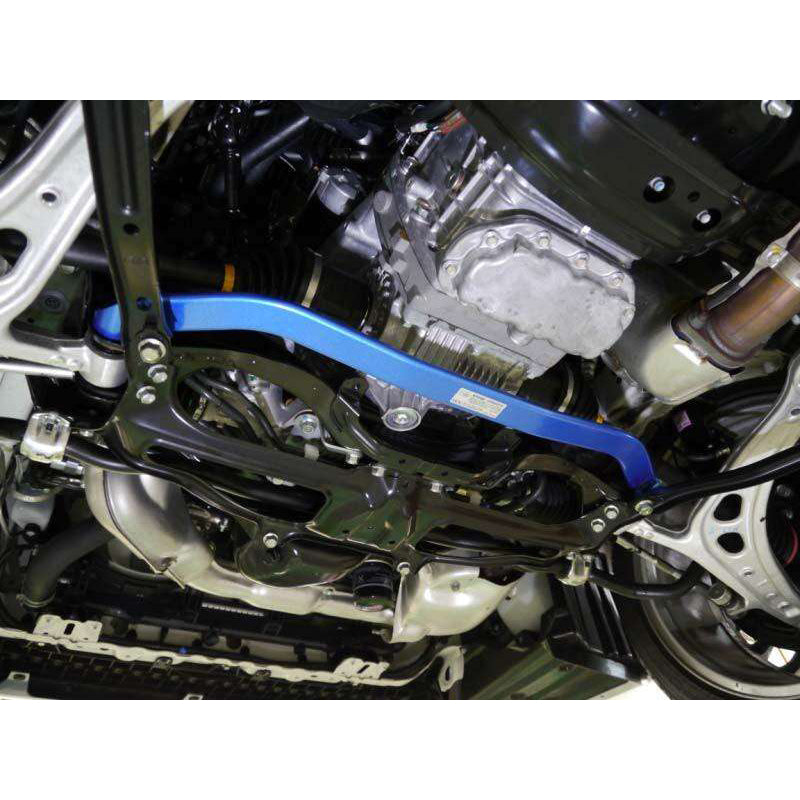
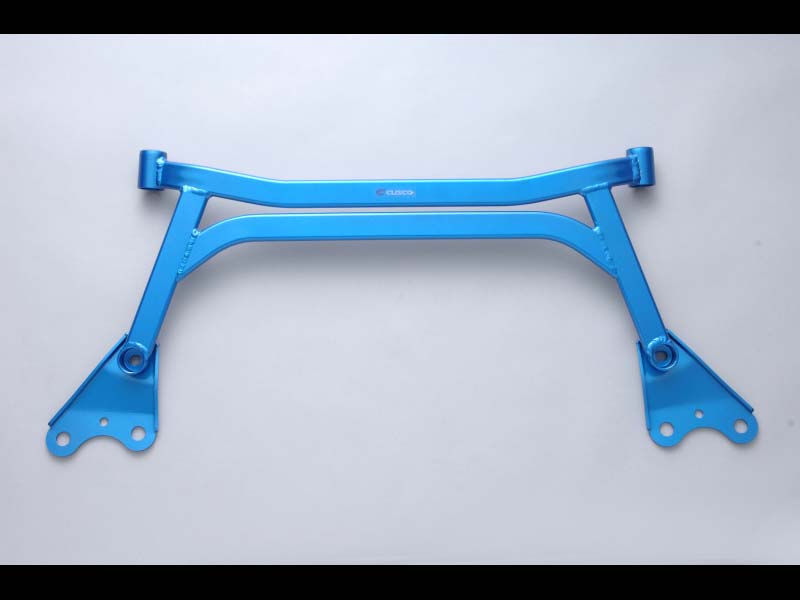
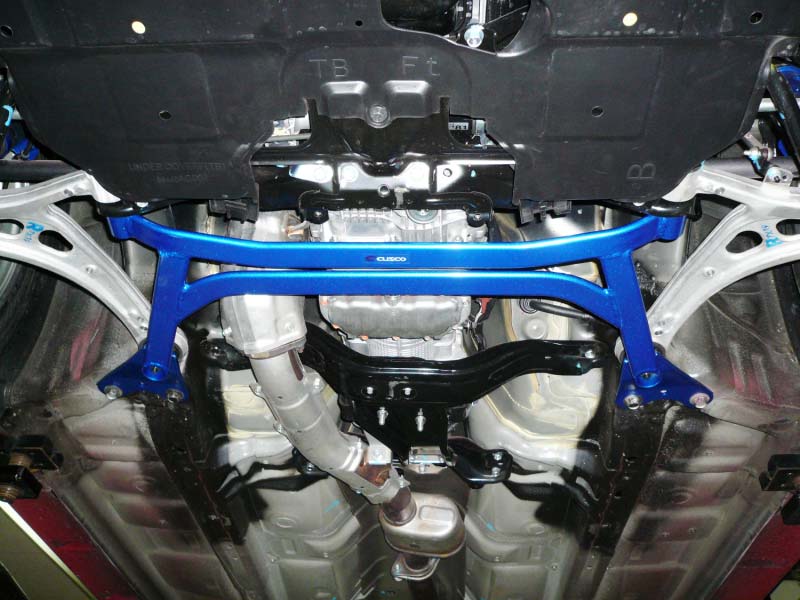
Factory suspension tuning already provides excellent responsiveness, but upgraded coilover systems, sway bars, and chassis bracing dramatically improve precision during aggressive driving. Components from manufacturers such as CUSCO, WHITELINE, HARDRACE, and EIBACH improve rigidity, steering accuracy, and weight transfer control.
- Reduced chassis flex during rapid transitions
- Improved front-end response during turn-in
- More stable weight transfer behavior under braking
- Enhanced cornering consistency across uneven surfaces
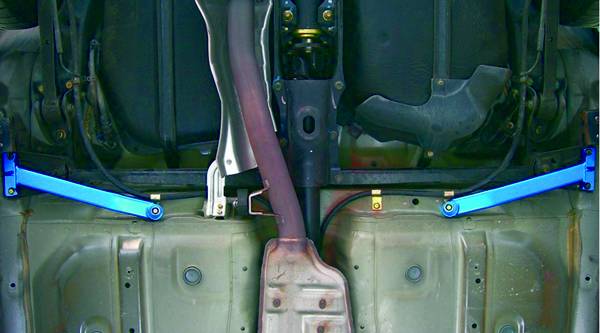
Additional strut braces, power braces, and reinforced mounting points improve structural rigidity while helping preserve predictable suspension geometry under high lateral loads.
Brake Performance for Rally and Circuit Conditions
The combination of AWD traction, turbocharged acceleration, and compact dimensions allows the 2000–2008 STI to carry substantial speed across technical roads and circuits. As grip levels and horsepower increase, braking consistency becomes one of the most important areas for improvement.
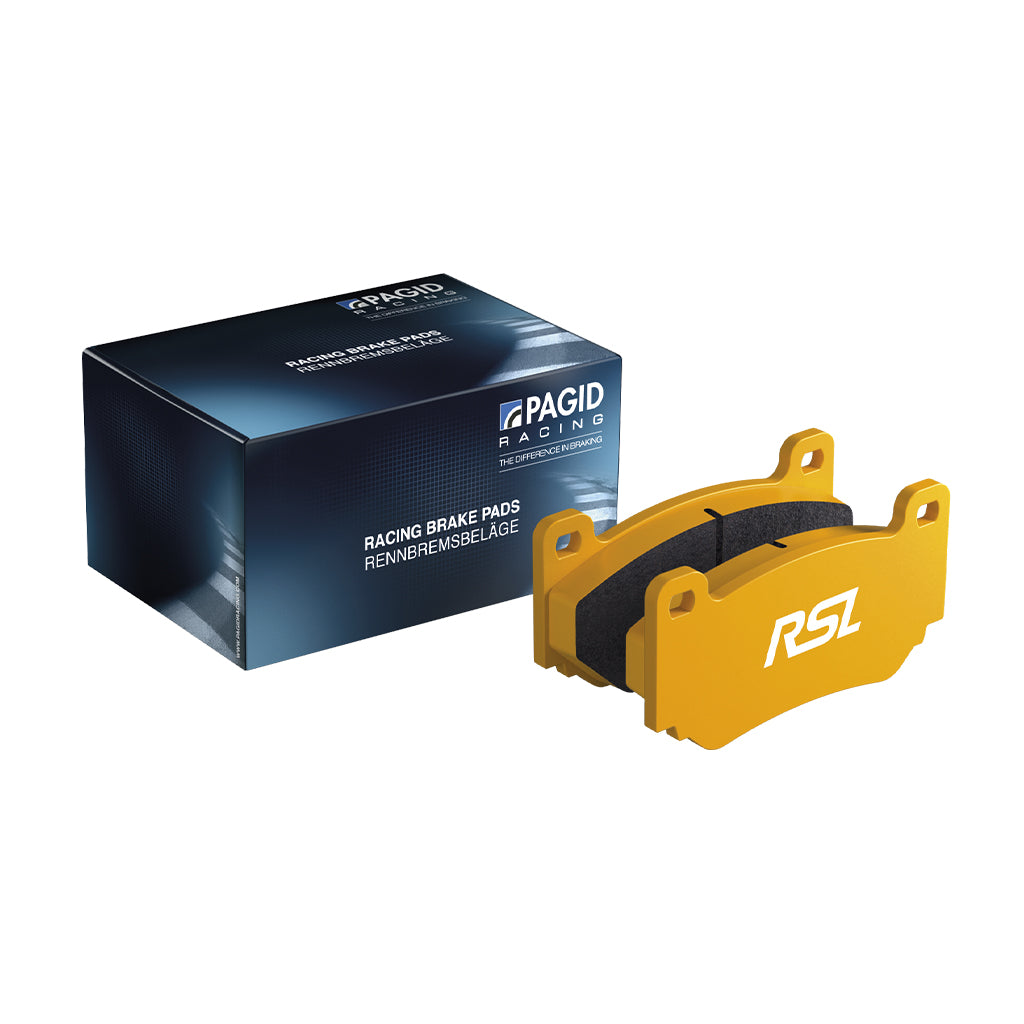
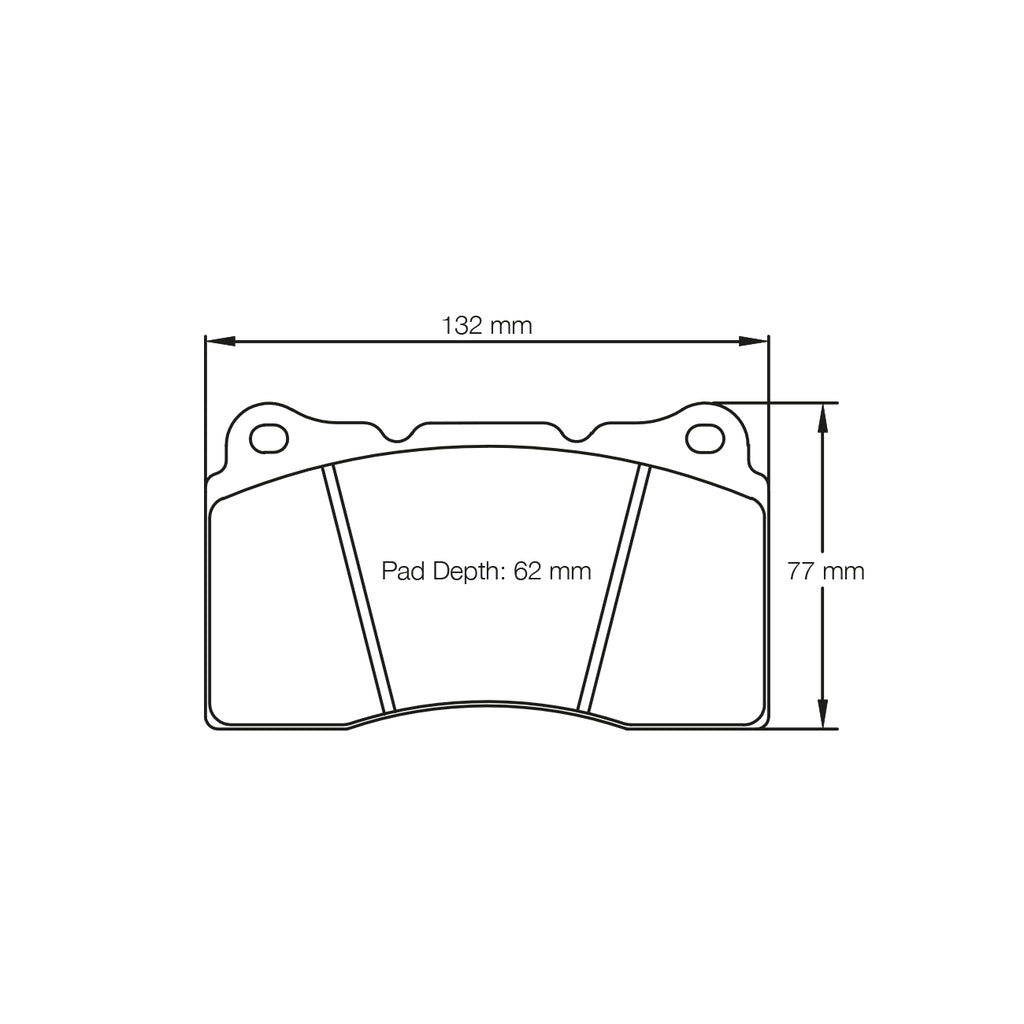
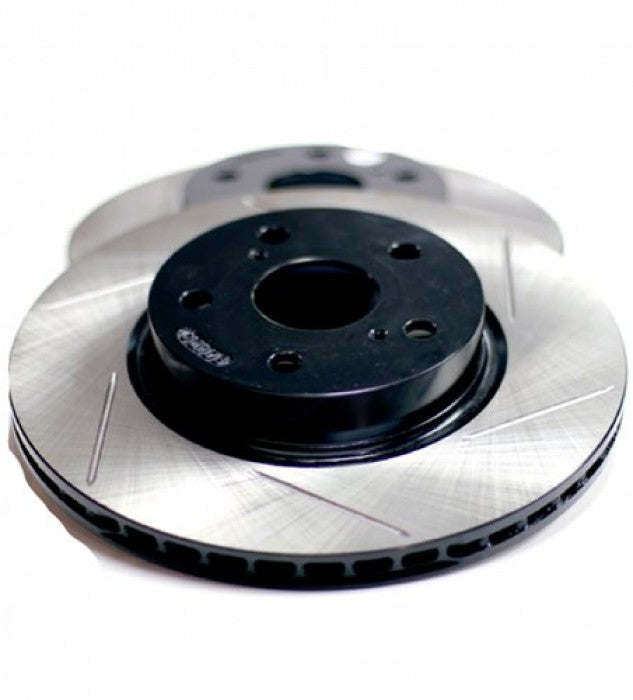
High-performance brake pads, lightweight rotor assemblies, and motorsport friction compounds from manufacturers such as PFC Brakes, PAGID, FERODO Racing, ENDLESS, STOPTECH, and GIRODISC significantly improve thermal stability during repeated heavy braking cycles.
- Improved resistance to brake fade during track sessions
- More stable pedal feel under repeated thermal load
- Enhanced braking modulation approaching corner entry
- Reduced unsprung mass with lightweight rotor assemblies
Stable braking behavior is particularly important on the GD-platform because of its highly active chassis behavior and aggressive weight transfer characteristics under trail braking.
Shifter Precision and Mechanical Driver Involvement
One of the reasons the 2000–2008 STI remains so respected among enthusiasts is the constant mechanical interaction between driver and machine. Gear engagement, turbo response, AWD traction, and hydraulic steering feedback all contribute to a driving experience that feels deeply analog compared to modern electronically filtered platforms.
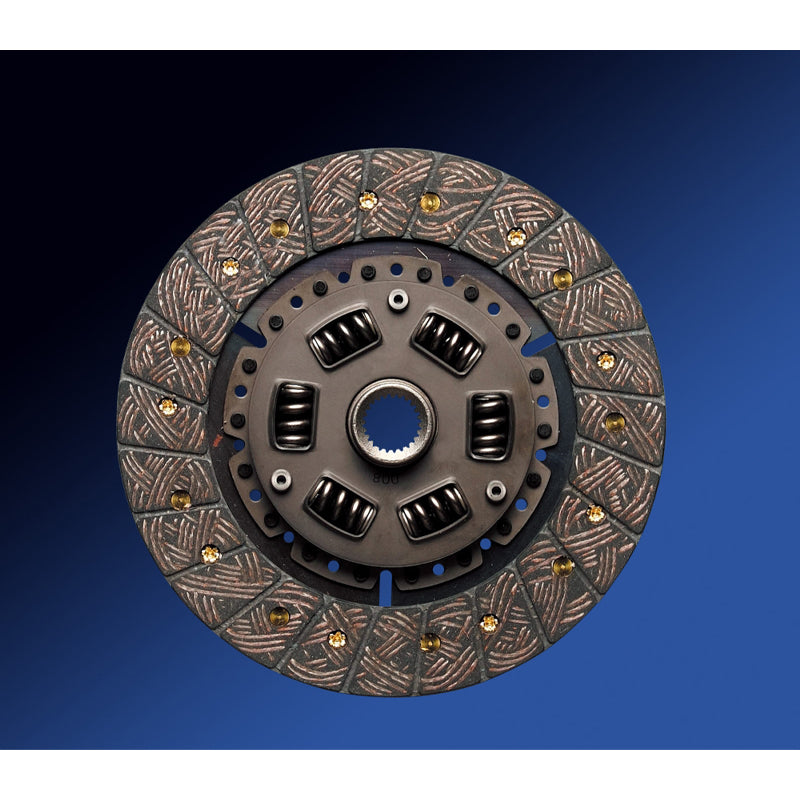
Upgraded shifters, reinforced mounts, inserts, and drivetrain bushings improve shift precision while reducing unwanted drivetrain movement during aggressive acceleration and rapid gear changes.
- Sharper shift engagement feel
- Reduced drivetrain flex under load
- More direct mechanical feedback
- Improved gearbox stability during aggressive driving
These upgrades help preserve the raw and highly communicative personality that defines the GD-era STI driving experience.
Motorsport Seating and Driver Stability
As suspension grip and chassis response improve, maintaining a stable driving position becomes increasingly important. During aggressive cornering and rapid transitions, excessive body movement inside the cabin reduces steering precision and overall driver confidence.
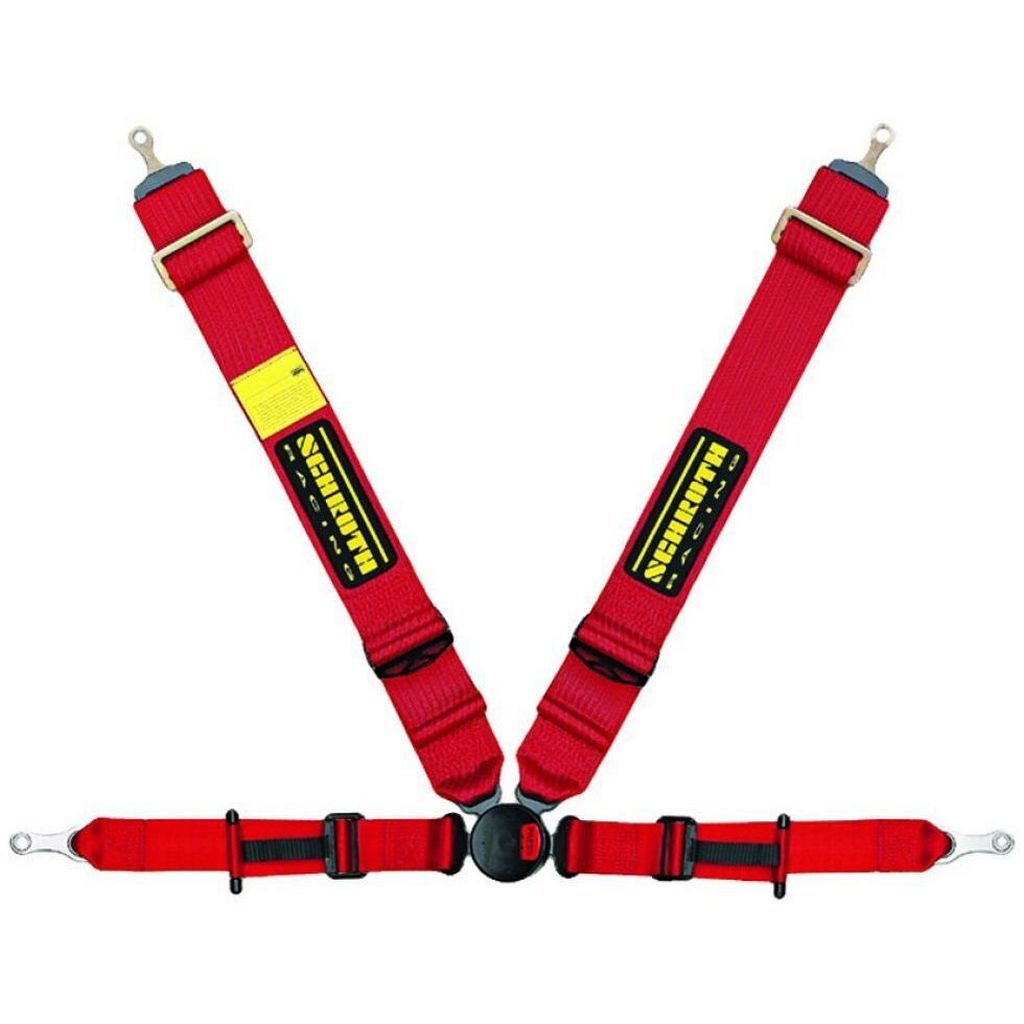
Upgraded sport seats, reinforced mounting systems, and harnesses from manufacturers such as RECARO and SCHROTH improve lateral support while creating a more focused cockpit environment suitable for rally-inspired and track-oriented driving.
- Improved driver stability during high lateral load
- Reduced fatigue during extended driving sessions
- Enhanced steering and pedal precision
- More secure seating position under aggressive chassis movement
Combined with reinforced seat brackets and proper mounting hardware, these upgrades improve both control and driver confidence during demanding driving conditions.
The Legacy of the 2000–2008 Subaru STI
The Subaru STI 2000–2008 generation represents a unique period in automotive history when rally-derived engineering still directly shaped road-going performance cars. The combination of turbocharged boxer power, hydraulic steering, mechanical AWD behavior, and compact chassis dynamics created a platform that felt raw, adjustable, and deeply engaging.
Unlike newer AWD performance cars that prioritize refinement and digital calibration, the GD-generation STI rewards active driver involvement and mechanical understanding. Managing boost pressure, chassis rotation, and drivetrain traction becomes part of the overall driving experience rather than something hidden behind software intervention.
This raw personality continues to make the 2000–2008 STI one of the most respected homologation-era inspired Japanese performance platforms among enthusiasts focused on rally culture, track driving, and analog mechanical feedback.
Subaru STI 2000–2008 – The Raw Analog AWD Era
The Subaru STI 2000–2008 remains one of the defining AWD turbocharged performance platforms of the early 2000s. Its combination of EJ boxer engine character, hydraulic steering feel, rally-inspired AWD traction, and highly communicative chassis dynamics continues to deliver an experience that feels increasingly rare in modern performance car development.
With carefully selected upgrades from ATOMIC-SHOP, the GD-generation STI becomes even sharper and more capable while preserving the aggressive mechanical identity that made the platform legendary among enthusiasts worldwide. Whether the goal is improved braking consistency, sharper drivetrain response, enhanced suspension precision, or a fully rally-inspired AWD build, the right performance components allow the Subaru STI to continue delivering one of the purest analog turbocharged driving experiences of its era.