


Subaru STI 2015–2021

Subaru STI 2015–2021 – The Final Evolution of the EJ-Powered STI
The VA Chassis: Precision Meets the Legendary EJ Legacy
The Subaru STI 2015–2021 (VA) stands as the sophisticated finale of the EJ-series era. While it bid farewell to the "Impreza" nameplate, it gained its most rigid and track-focused architecture to date. The VA chassis was engineered with a 40% increase in torsional rigidity compared to its predecessor, featuring a quicker steering rack and, in its later 2018+ evolution, a fully electronic Multi-Mode DCCD for lightning-fast torque distribution. This generation saw the introduction of the Series.White, the Type RA, and the ultimate S209, proving that the EJ257 engine could still compete in a modern world of digital performance. It is the most refined, capable, and sharpest analog beast Subaru ever produced.
The VA-Chassis STI and the End of an Era
The Subaru STI 2015–2021 generation represents the final chapter of the traditional EJ-powered STI formula. Built on the VA chassis, this era of the STI arrived during a period when the performance car industry was rapidly shifting toward dual-clutch transmissions, heavily digitized driving systems, and downsized turbocharged engines. Subaru chose a different path. Rather than abandoning the mechanical identity that defined previous STI generations, the VA-platform refined and modernized the core characteristics enthusiasts had associated with the STI badge for decades.
Compared to earlier GD and GR/GV generations, the 2015–2021 STI introduced a noticeably stiffer chassis structure, sharper steering response, improved suspension geometry, and greater high-speed stability. While the platform retained the turbocharged EJ257 boxer engine and symmetrical all-wheel-drive system, the overall driving experience became more precise, more planted, and significantly more capable during circuit driving and fast-road use.
The VA-generation STI quickly earned a strong reputation among track-day enthusiasts because it combined modern chassis rigidity with the familiar mechanical AWD personality that continued to separate the STI from many electronically filtered all-wheel-drive competitors. Rather than feeling purely digital, the platform still rewarded driver input, throttle modulation, and active weight transfer management.
At ATOMIC-SHOP, we offer a carefully selected range of Subaru STI 2015–2021 performance parts designed to sharpen chassis precision, improve thermal stability, reinforce drivetrain reliability, and support everything from aggressive street builds to fully circuit-focused setups.
The EJ257 in Its Most Refined Form
By the time the VA-generation STI arrived, the EJ257 platform had already become one of the most recognizable turbocharged boxer engines in modern Japanese performance culture. Unlike newer small-displacement turbocharged engines focused heavily on efficiency and digital calibration, the EJ257 retained a distinctly mechanical personality built around aggressive boost response, turbocharged torque delivery, and raw boxer-engine character.
The 2015–2021 STI platform refined the EJ driving experience significantly through improved drivetrain calibration, more stable chassis behavior, and better overall thermal management. Although the engine architecture remained familiar, the VA-generation felt sharper, more controlled, and increasingly suited to sustained high-speed driving.
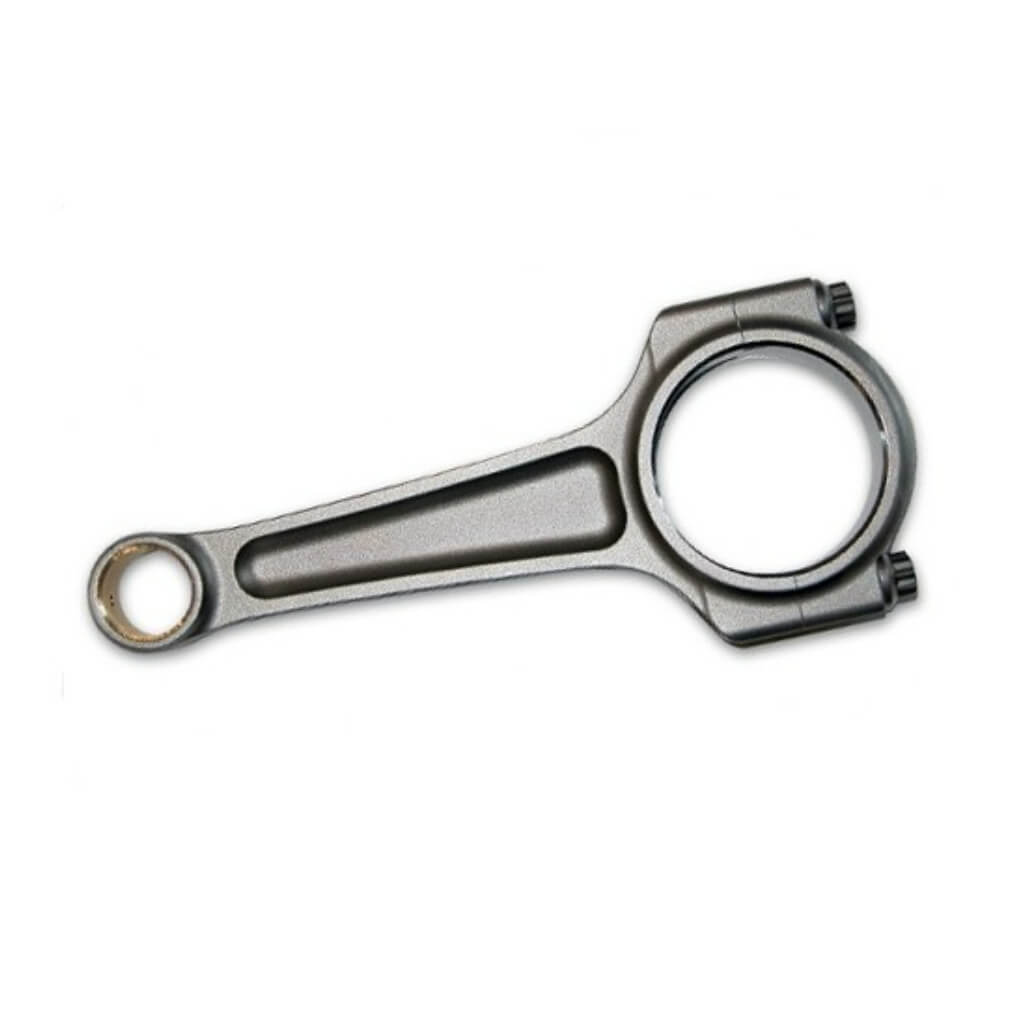
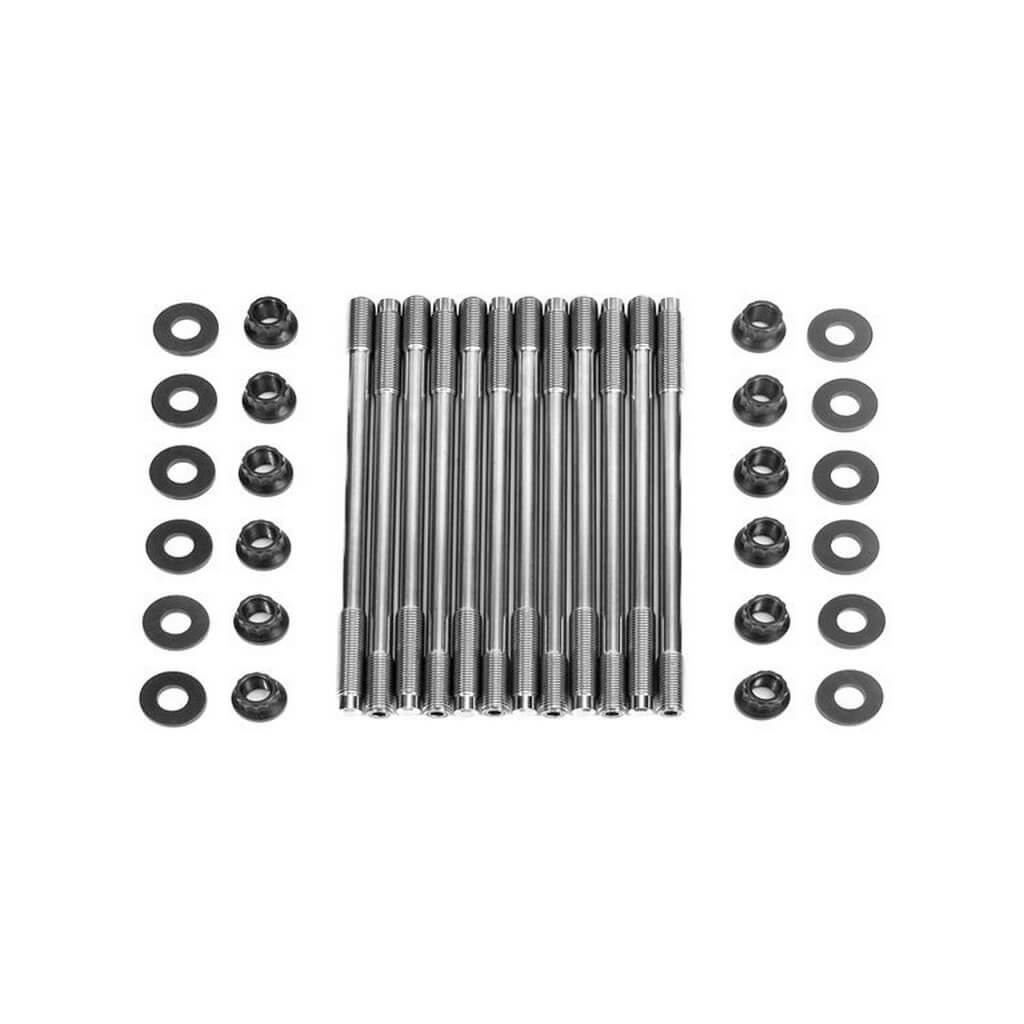
Performance upgrades for the VA STI often focus on improving durability, airflow efficiency, and long-term thermal consistency. Reinforced internal engine components such as beam connecting rods, forged pistons, and high-strength engine hardware from manufacturers such as MANLEY and ARP are commonly used in higher-output builds where elevated boost pressure and sustained load place greater stress on the factory internals.
- Improved engine durability under sustained boost pressure
- Greater stability during high-rpm operation
- Enhanced reliability in track-focused environments
- More consistent performance under elevated thermal load
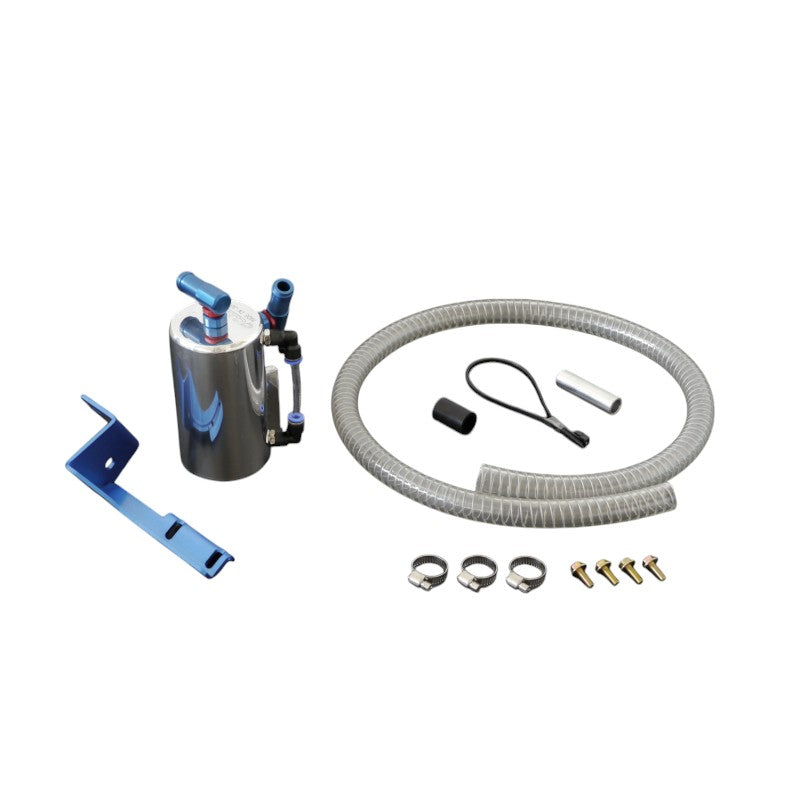
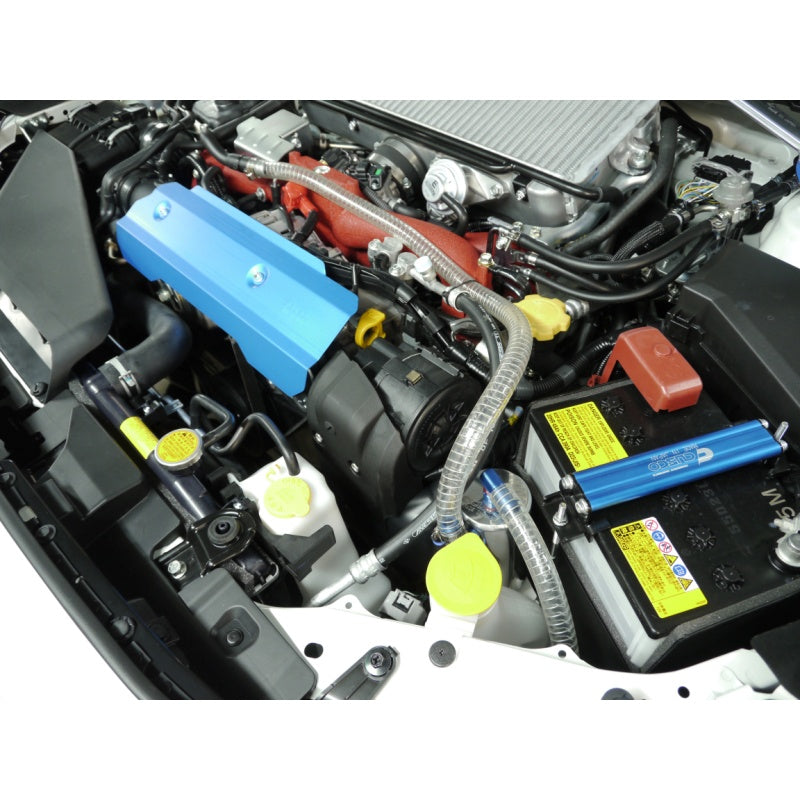
Additional upgrades such as oil catch tanks from manufacturers like HKS help improve crankcase ventilation efficiency while reducing oil contamination under aggressive driving conditions and sustained lateral load.
VA-Chassis Rigidity and Modern AWD Precision
One of the most significant improvements introduced with the 2015–2021 STI generation was the rigidity of the VA chassis itself. Compared to earlier Subaru platforms, the VA-generation delivered substantially improved structural stiffness, allowing suspension tuning and AWD calibration to function with greater precision during aggressive driving.
The symmetrical all-wheel-drive system remained deeply mechanical in character, but the VA-platform introduced a noticeably more stable and confidence-inspiring feel during high-speed cornering and rapid directional changes. Rather than behaving like a traditional rally-style AWD platform with excessive movement, the VA STI developed a sharper and more circuit-focused personality while still retaining strong traction and throttle-adjustable balance.
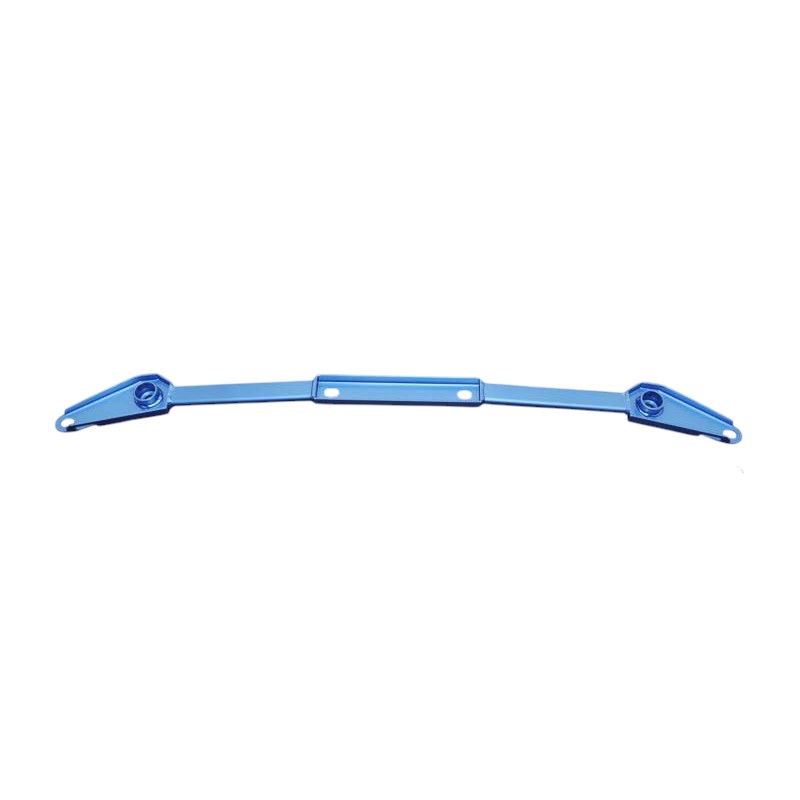
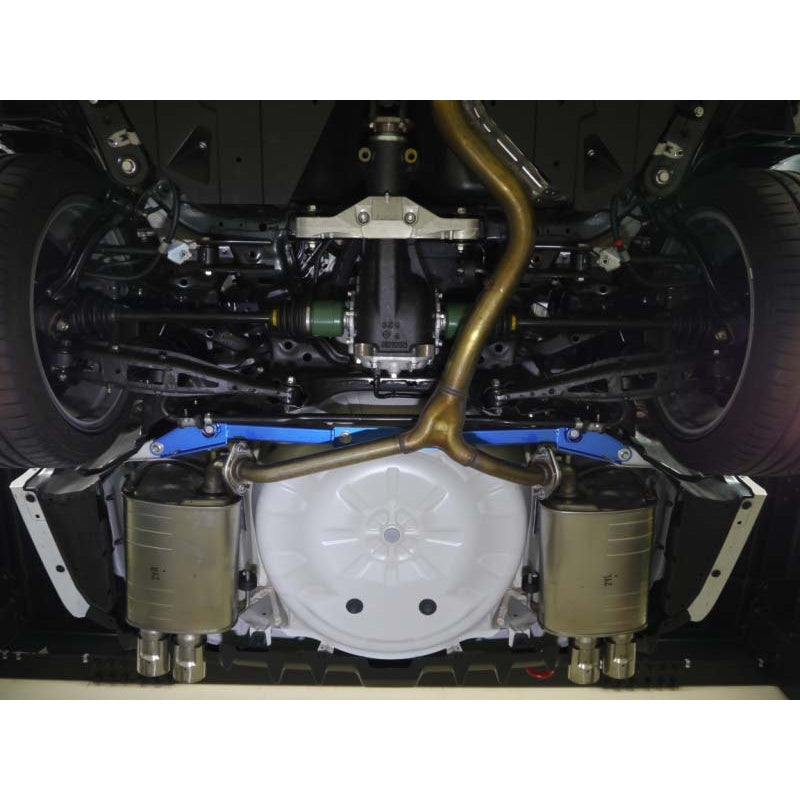
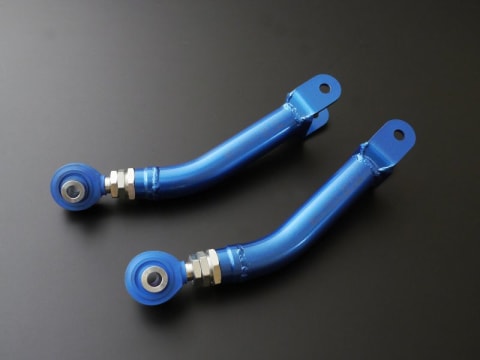
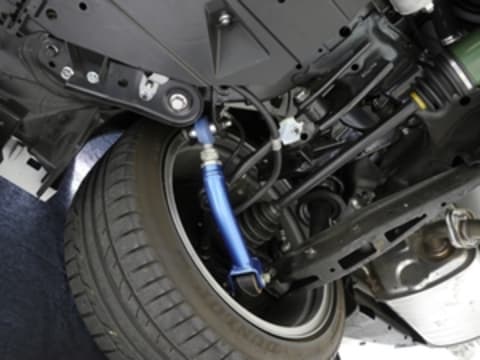
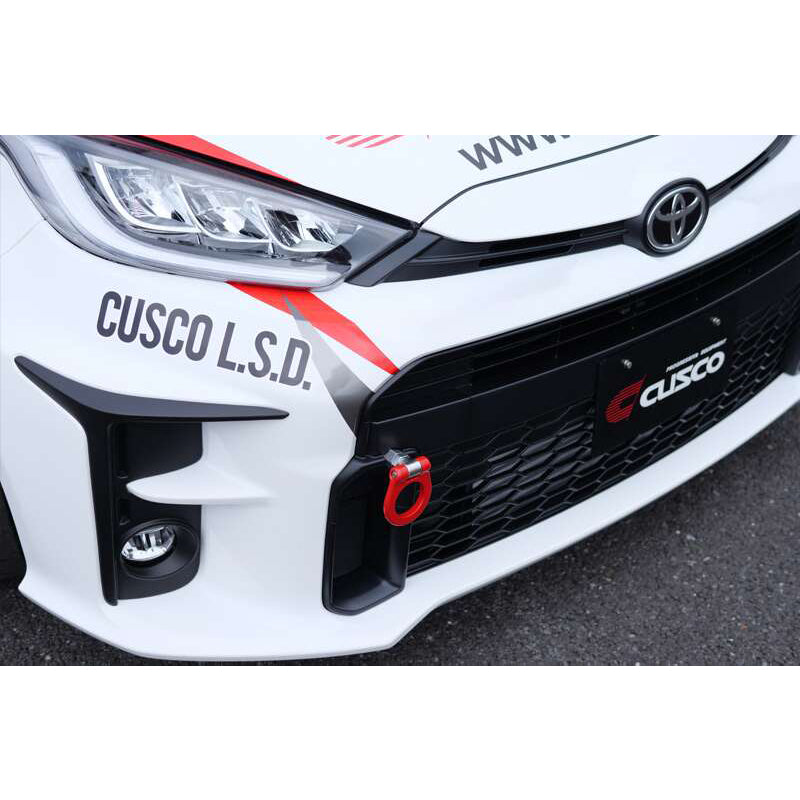
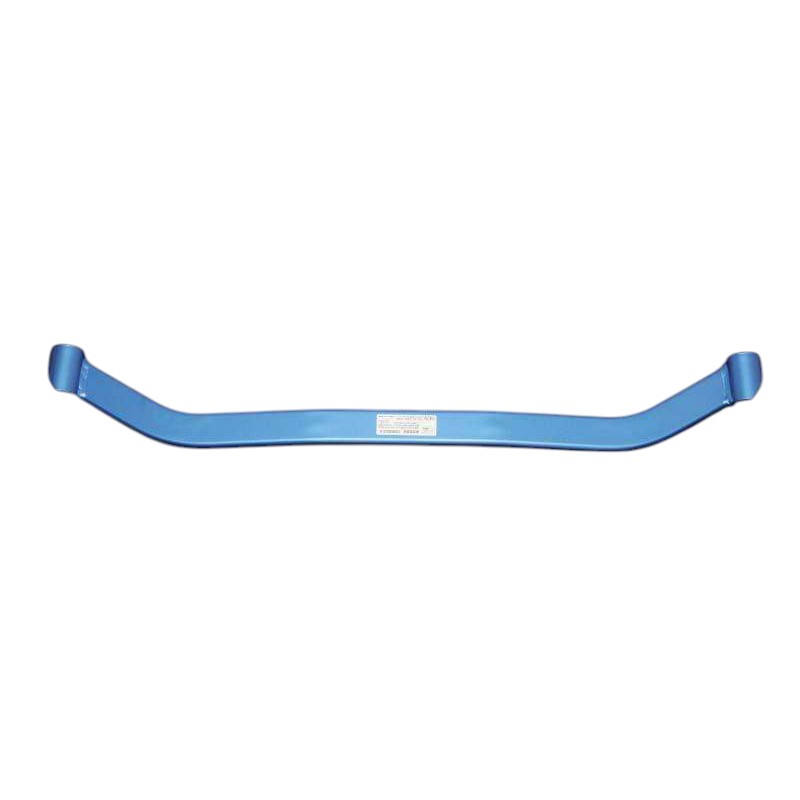
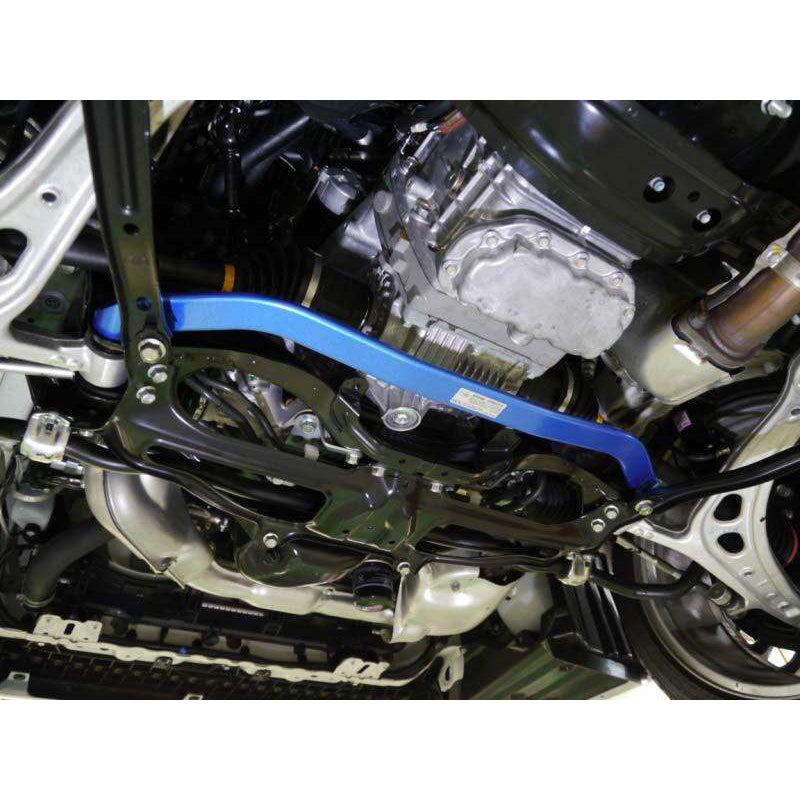
Upgraded control arms, reinforced bushings, and chassis reinforcement components from manufacturers such as CUSCO and WHITELINE further improve suspension geometry stability and steering precision during aggressive driving.
- Improved front-end response during corner entry
- Reduced suspension compliance under load
- Sharper chassis behavior during rapid transitions
- More stable AWD balance near the limit
Because the VA chassis is inherently more rigid than earlier STI generations, even relatively small suspension upgrades can significantly influence overall steering feel and driver confidence.
Suspension Development and High-Speed Chassis Control
The 2015–2021 STI platform responds exceptionally well to advanced suspension tuning. Improved factory geometry and increased structural rigidity create a strong foundation for circuit-focused damping calibration and aggressive alignment setups.
Adjustable suspension kits, coilover systems, sway bars, and chassis braces from manufacturers such as KW Automotive, OHLINS, and CUSCO dramatically improve chassis precision while helping the platform remain stable during high lateral load and aggressive braking transitions.
- Improved damping consistency during rapid direction changes
- Reduced body movement under high-speed cornering
- Sharper steering feedback and front-end precision
- Enhanced balance during trail braking and corner exit
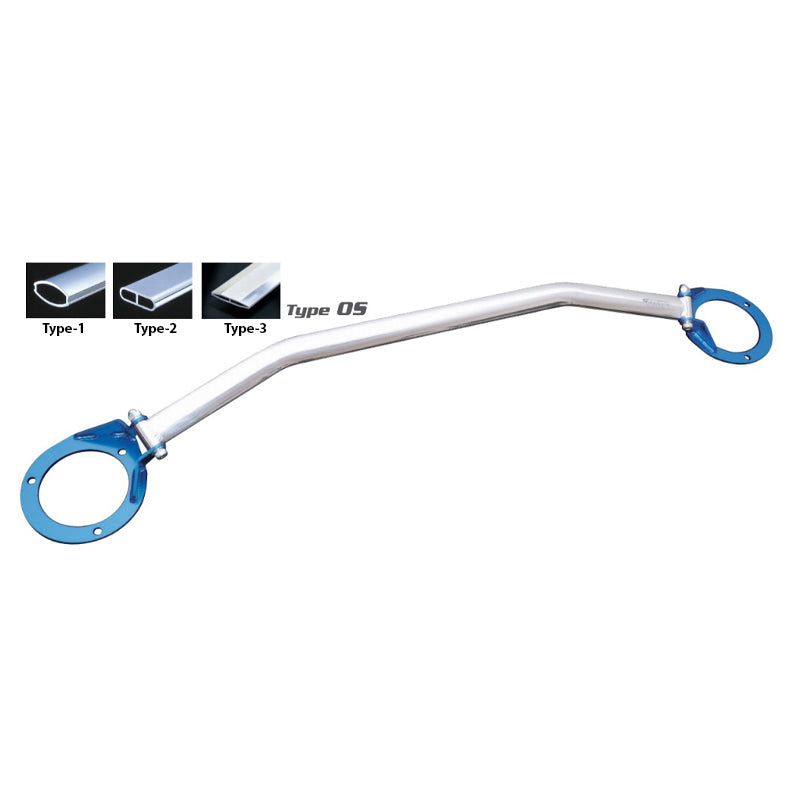
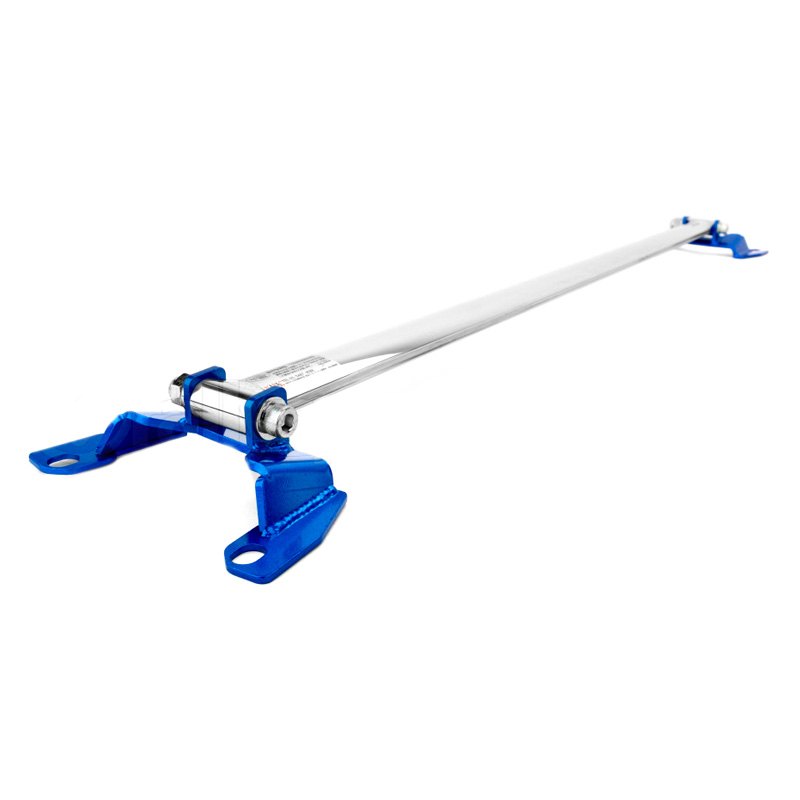
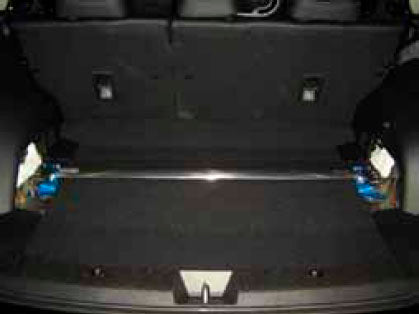
Additional strut braces, reinforced mounting points, and upgraded shock mounts improve structural rigidity while reducing unwanted chassis movement during aggressive driving conditions.
Brake Stability and Circuit-Oriented Performance
As the VA-generation STI became increasingly popular within track-day communities, braking consistency and thermal stability became essential areas for improvement. The combination of AWD traction, improved chassis grip, and higher sustained cornering speeds places substantial thermal stress on braking systems during aggressive circuit use.
Upgraded brake pads, lightweight rotor assemblies, and motorsport braking components from manufacturers such as PAGID, ENDLESS, STOPTECH, and GIRODISC significantly improve fade resistance and braking modulation under repeated heavy load cycles.
- Improved thermal stability during repeated braking events
- More consistent pedal feel approaching corner entry
- Enhanced resistance to brake fade during track driving
- Reduced unsprung mass with lightweight rotor assemblies
Stable braking characteristics allow drivers to fully exploit the precision and composure of the VA chassis while improving confidence during aggressive trail braking and rapid transitions between corners.
Cooling Systems and Sustained Reliability
Sustained boost pressure and prolonged high-rpm operation generate significant thermal load within the EJ257 platform, particularly during circuit driving and higher-output tuning setups. Although the VA STI improved overall cooling efficiency compared to earlier generations, aggressive driving still places considerable stress on coolant and oil temperature stability.
Upgraded radiators, cooling systems, and thermal management components from manufacturers such as CSF significantly improve heat dissipation and temperature consistency during extended high-load operation.
- Improved coolant stability during track sessions
- Reduced thermal stress under sustained boost
- Enhanced reliability during aggressive driving
- More consistent engine performance under load
For circuit-oriented builds, thermal management becomes essential not only for durability but also for maintaining stable power delivery throughout extended sessions.
Interior Support and Driver-Focused Ergonomics
As grip levels and chassis capability increase, maintaining a stable driving position becomes increasingly important for precision and driver confidence. During high-speed cornering and aggressive braking, excessive body movement inside the cabin reduces steering accuracy and pedal consistency.
Upgraded sport seats, reinforced mounting systems, and motorsport harnesses from manufacturers such as RECARO and SCHROTH improve lateral support while creating a more focused cockpit environment suitable for circuit driving and high-performance road use.
- Improved driver stability during high lateral load
- Reduced fatigue during extended driving sessions
- Enhanced steering and pedal precision
- More consistent driver positioning during aggressive transitions
Additional components such as reinforced seat brackets and mounting hardware improve rigidity while helping maintain proper seating geometry during demanding driving conditions.
The Final EJ STI and Modern Enthusiast Culture
The 2015–2021 STI occupies a unique position in Subaru performance culture because it represents the final factory STI generation powered by the EJ-series boxer engine. While modern performance cars increasingly shifted toward digital calibration and automated driving behavior, the VA STI preserved much of the mechanical personality that defined earlier Subaru platforms.
The combination of turbocharged boxer character, symmetrical AWD traction, manual transmission involvement, and increasingly precise chassis dynamics helped the VA-generation earn strong respect among enthusiasts focused on circuit driving, fast-road performance, and analog mechanical engagement.
Rather than functioning purely as a nostalgic continuation of earlier STI generations, the VA platform evolved into a genuinely capable modern performance chassis that balanced raw mechanical feedback with improved stability, sharper suspension behavior, and more refined high-speed composure.
Subaru STI 2015–2021 – The Final Evolution of the Analog AWD Formula
The Subaru STI 2015–2021 generation represents the final evolution of the traditional EJ-powered AWD performance formula. More rigid, more precise, and more circuit-capable than previous STI generations, the VA chassis refined Subaru’s rally-derived engineering philosophy while preserving the mechanical engagement and turbocharged character that defined the platform for decades.
With carefully selected upgrades from ATOMIC-SHOP, the VA STI becomes even sharper and more capable while retaining the balance of AWD traction, turbocharged response, and driver-focused chassis dynamics that continue to make the platform highly respected among enthusiasts worldwide. Whether the goal is improved thermal stability, sharper suspension precision, stronger drivetrain durability, or a fully track-focused AWD build, the right performance components allow the 2015–2021 STI to deliver one of the most rewarding modern Subaru driving experiences ever created.