Short answer
Separate disc material before comparing the three compounds. RSL 29 and RSL 1 are options for appropriately listed iron-disc racing applications. RSC 1 is a ceramic-disc race and track-day material. It is not the next performance grade above the RSL compounds, and a similar pad outline does not establish interchangeability.
How the manufacturer positions them
- Compound: RSL 29 Disc/application starting point: Listed iron-disc applications; track days, club and endurance racing Stated emphasis: Medium friction, modulation and wear priorities; also used in sprint racing
- Compound: RSL 1 Disc/application starting point: Listed iron-disc applications; endurance and sprint racing Stated emphasis: Higher stated friction with modulation and wear priorities
- Compound: RSC 1 Disc/application starting point: Specified ceramic-disc systems; race and track-day use Stated emphasis: Medium stated friction and all-round characteristics for that disc category
These are manufacturer descriptions, not a ranking of stopping distance or proof of a fixed service life. The overlap between sprint and endurance use is deliberate: the event label alone does not determine the choice. First identify whether you want a different initial response or friction level, then assess that requirement against the car's existing combination.
RSL 29 and RSL 1 still need an application match
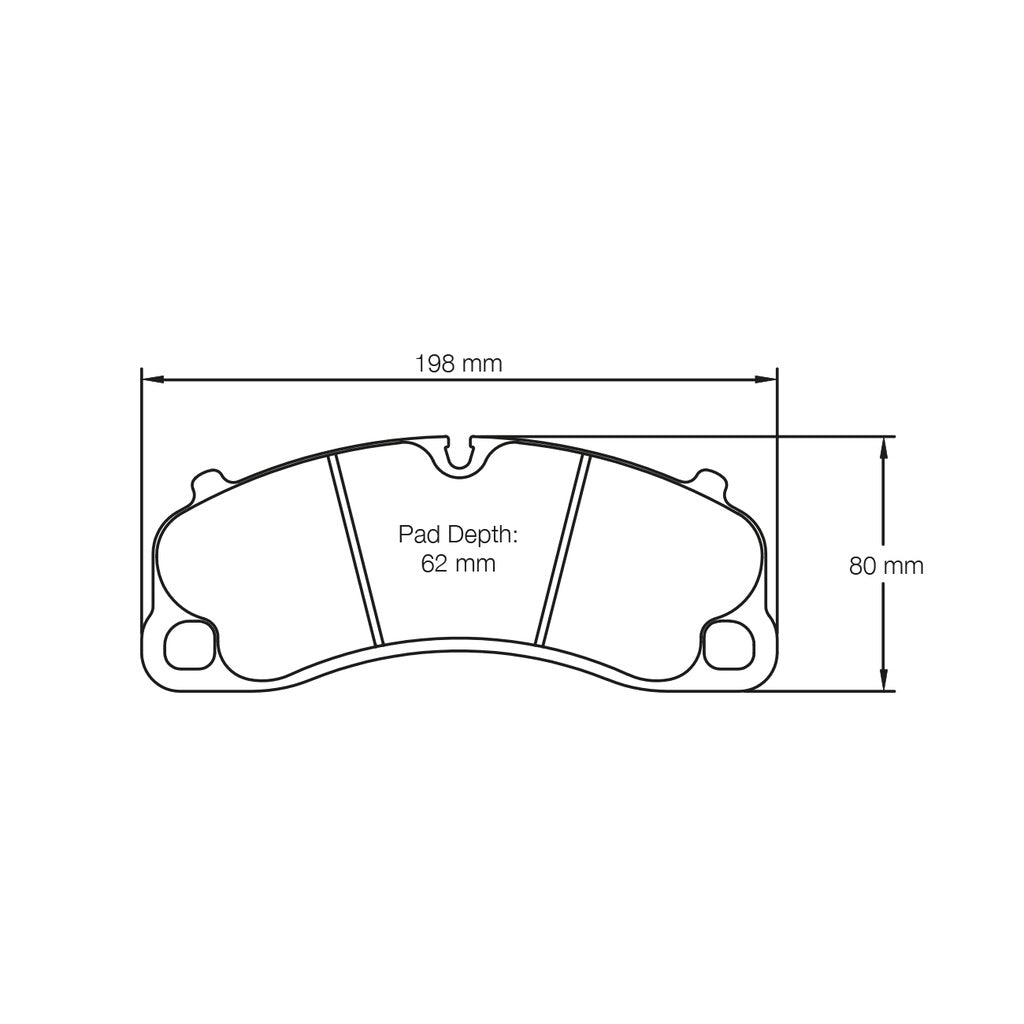
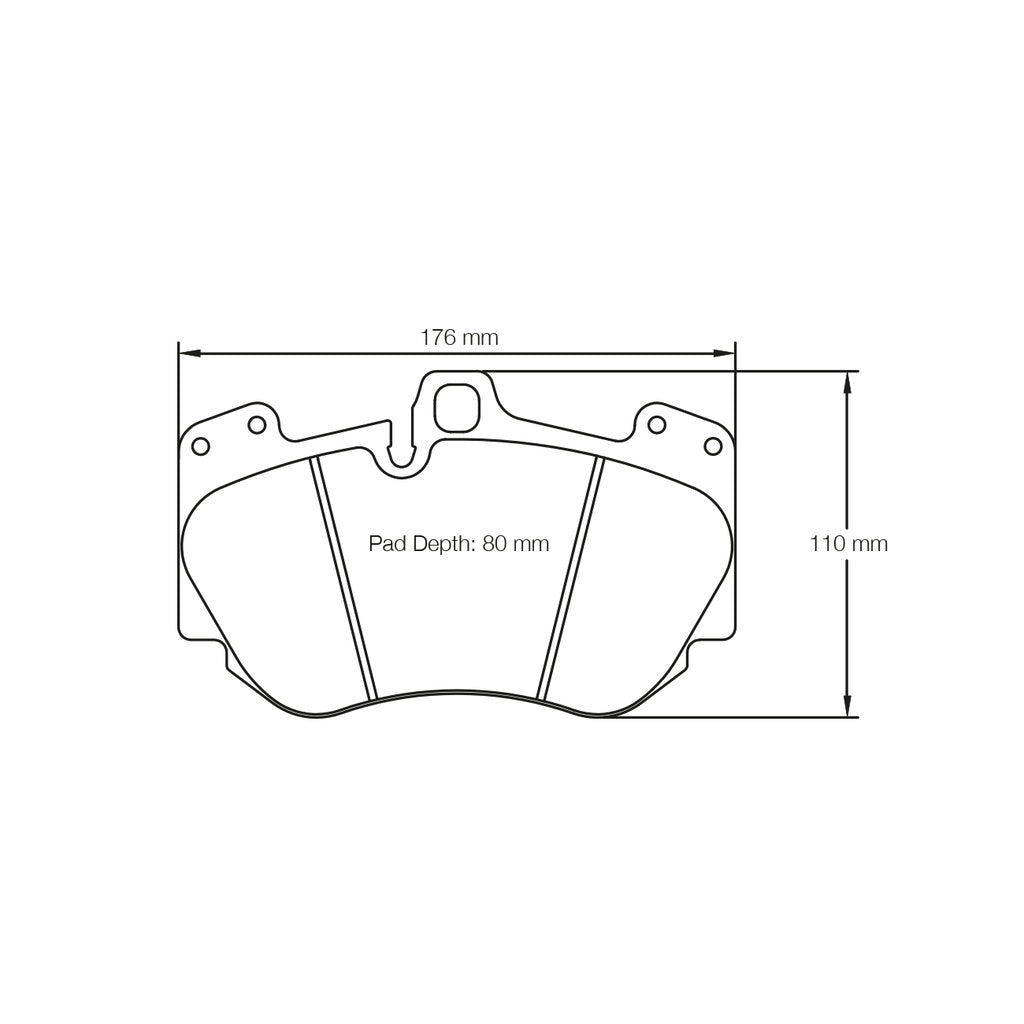
A preference for higher friction does not resolve the physical order. The correct shape, thickness and axle must also be available in the chosen material. For example, an RSL 1 reference listed for a Porsche is not an alternative part for a BMW caliper merely because both cars use iron discs. Compare full references rather than ordering from the compound name alone.
A ceramic-to-iron conversion changes the selection
If an aftermarket conversion retains the original ceramic-system calipers but replaces the discs with iron, the factory brake option no longer describes the complete system. Provide the conversion-kit or disc reference and follow its pad application recommendation. The original ceramic pad shape may remain useful for identification, but it does not by itself select the friction material for the new discs.
Important: Do not select an iron-disc compound for carbon-ceramic discs, or a ceramic-disc compound for an iron conversion, solely because the pad fits the caliper. Establish the manufacturer's material and application match for the fitted system before ordering.