


Mitsubishi Evo 7–9







Mitsubishi Lancer Evolution 7–9 – The Peak of Analog AWD Turbo Engineering
The Evolution of CT9A: From Raw Power to MIVEC Perfection
The journey of the CT9A platform is a story of continuous mechanical refinement. It began with the Evolution 7, which introduced a significantly stiffer chassis and the first electronic Active Center Differential (ACD). The Evolution 8 took the global stage by storm, introducing Super Active Yaw Control (S-AYC) and becoming the first Evo officially sold in western markets with carbon-fiber aerodynamic elements. The lineage reached its absolute peak with the Evolution 9, which introduced the variable valve timing 4G63 MIVEC engine and a twin-scroll turbocharger. This trio defined a generation of street racing and time attack dominance, proving that an analog chassis with clever hydraulics could outperform the most advanced sports cars of its time.
The Golden Era of the CT9A Evolution Platform
The Mitsubishi Lancer Evolution 7, 8, and 9 represent one of the most respected periods in modern Japanese performance car history. Built on the legendary CT9A platform, these generations refined the aggressive AWD turbocharged formula that had already established the Evolution name as a dominant force in rally competition and enthusiast culture worldwide. Developed directly from Mitsubishi’s World Rally Championship experience, the Evo 7–9 combined turbocharged 4G63 power, advanced all-wheel-drive systems, and highly reactive chassis behavior into a platform engineered with very little compromise.
Unlike many modern performance cars designed around refinement and electronic isolation, the Evolution 7–9 platform remained deeply mechanical in character. Steering feedback, drivetrain response, active yaw behavior, and turbocharged acceleration constantly communicated with the driver. The platform rewarded aggressive inputs, precise braking, and active throttle management in a way that made the Evo feel closer to a rally car adapted for the road than a conventional sports sedan.
The Evolution 7 introduced a larger and more rigid chassis compared to earlier generations, while the Evo 8 and Evo 9 progressively refined aerodynamics, drivetrain behavior, and engine response. By the time the Evo 9 arrived with MIVEC-equipped 4G63 variants, the platform had evolved into one of the sharpest and most tunable AWD performance cars ever produced.
At ATOMIC-SHOP, we offer a carefully selected range of Mitsubishi Evo 7–9 performance parts engineered for enthusiasts focused on rally-inspired AWD performance, circuit driving, and high-output turbocharged builds. From suspension systems and drivetrain reinforcement to braking upgrades and engine reliability components, our catalog supports everything from fast-road setups to fully dedicated motorsport applications.
The 4G63 Engine – Turbocharged Response and Legendary Tuning Potential
At the center of the Evolution 7–9 platform sits the legendary turbocharged 4G63 inline-four engine — one of the most respected Japanese performance engines ever developed. Unlike many modern turbocharged engines that rely heavily on electronic torque management and efficiency-focused calibration, the 4G63 built its reputation through aggressive turbo spool, high-rpm durability, and immense tuning headroom.
The iron-block construction and highly robust architecture of the 4G63 allowed the Evo platform to become a global icon within drag racing, time attack, circuit racing, and rally communities. Even relatively moderate modifications dramatically transform the performance capability of the platform while preserving the raw mechanical personality that defines the Evolution driving experience.
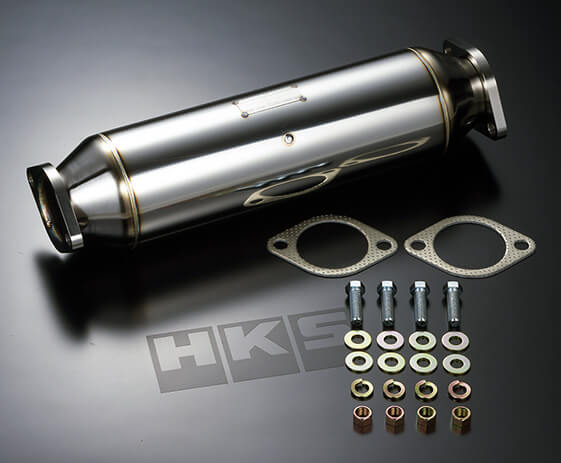
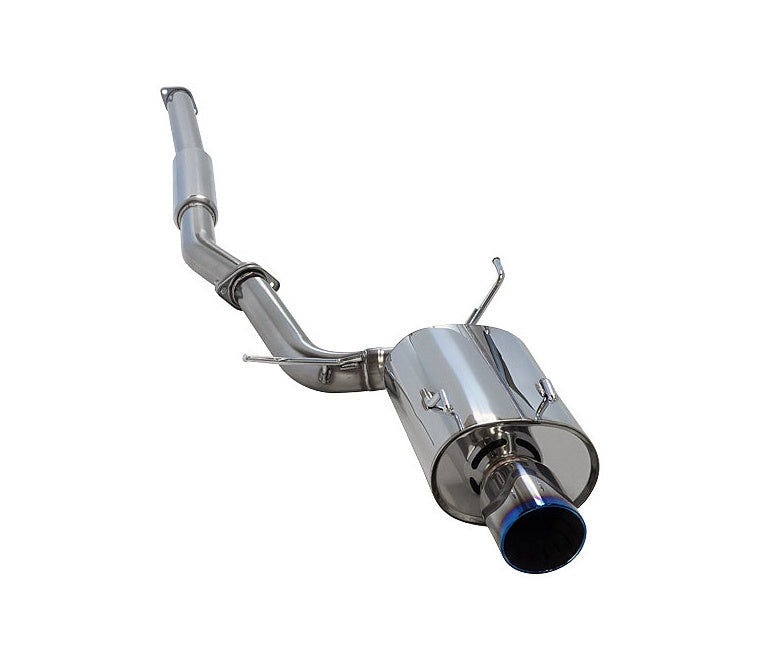
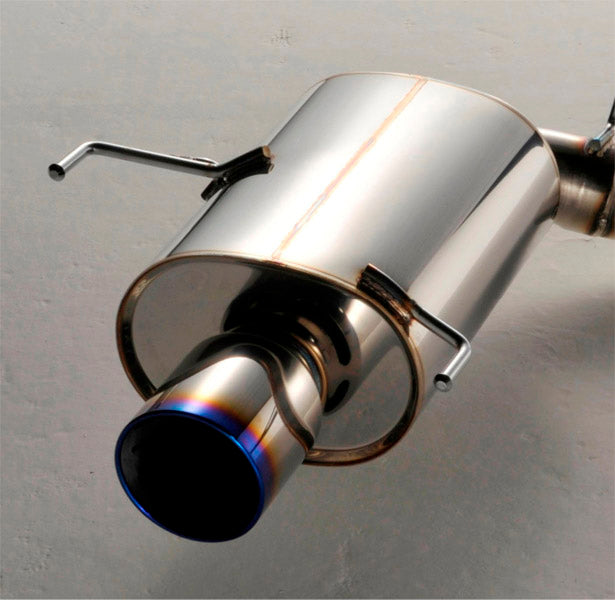
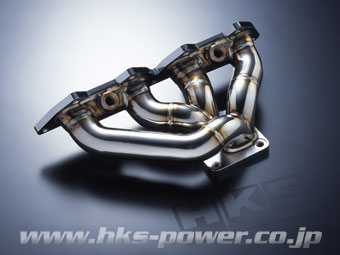
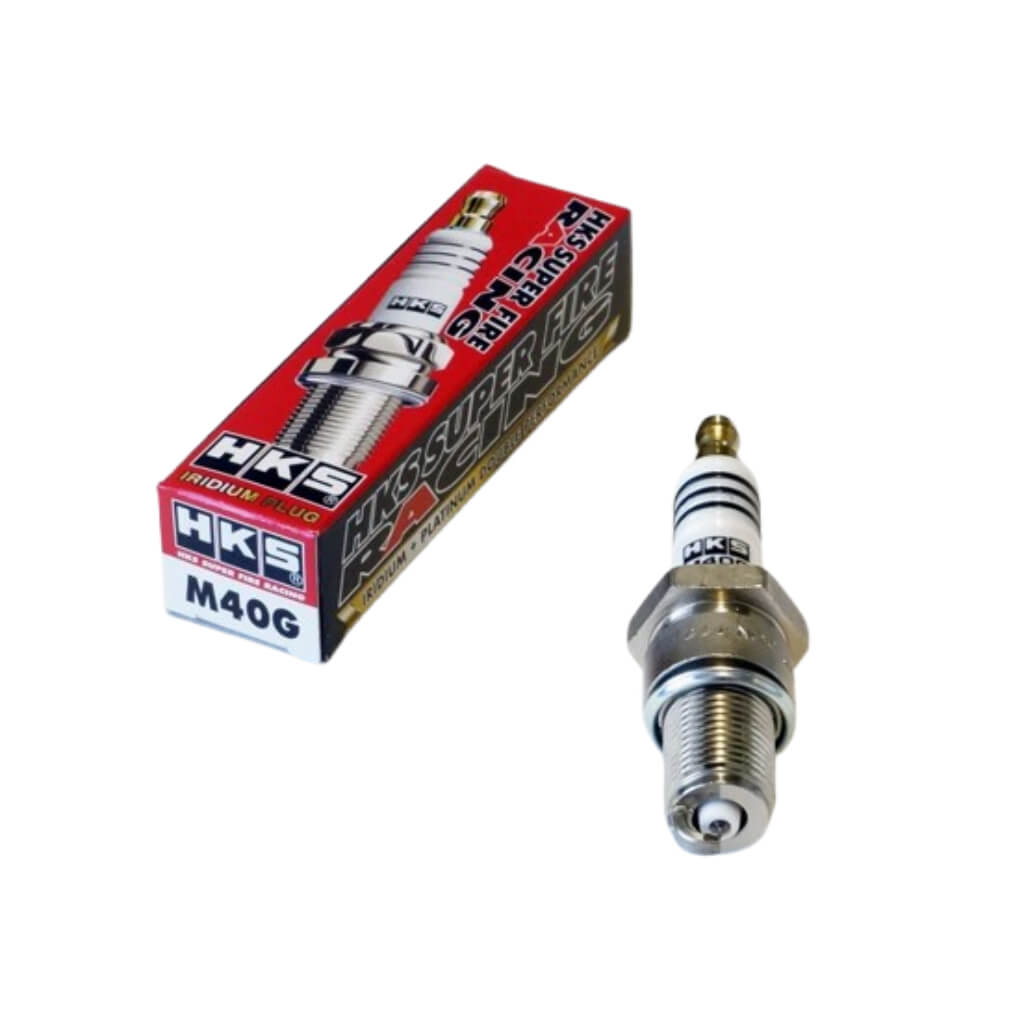
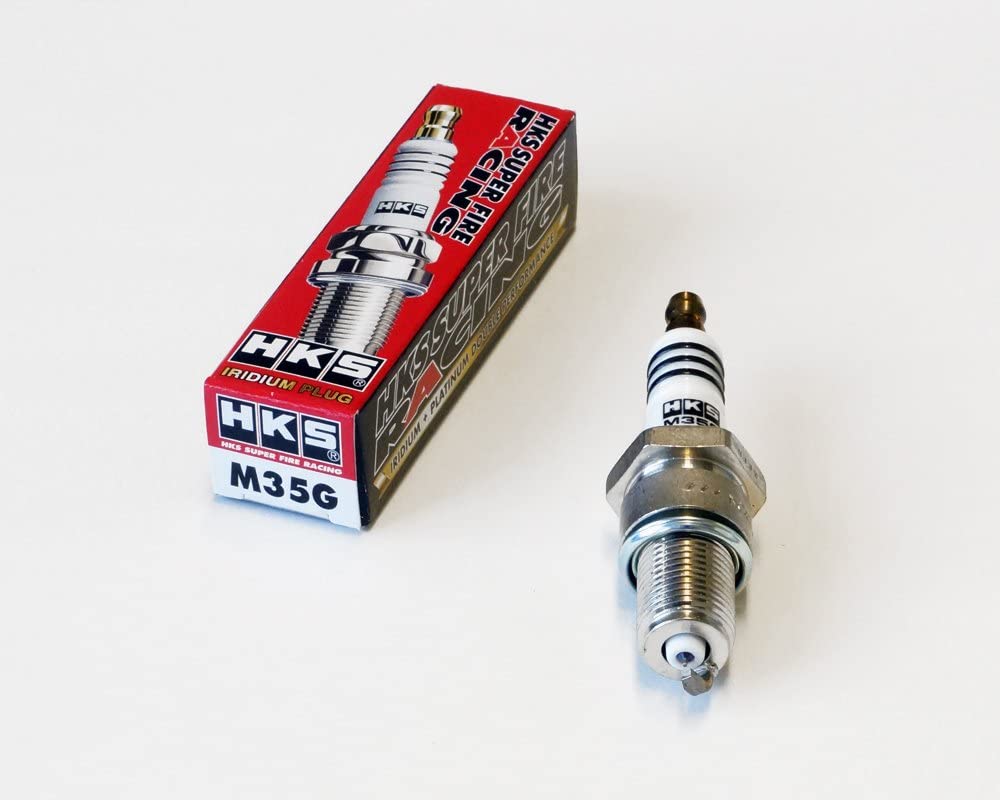
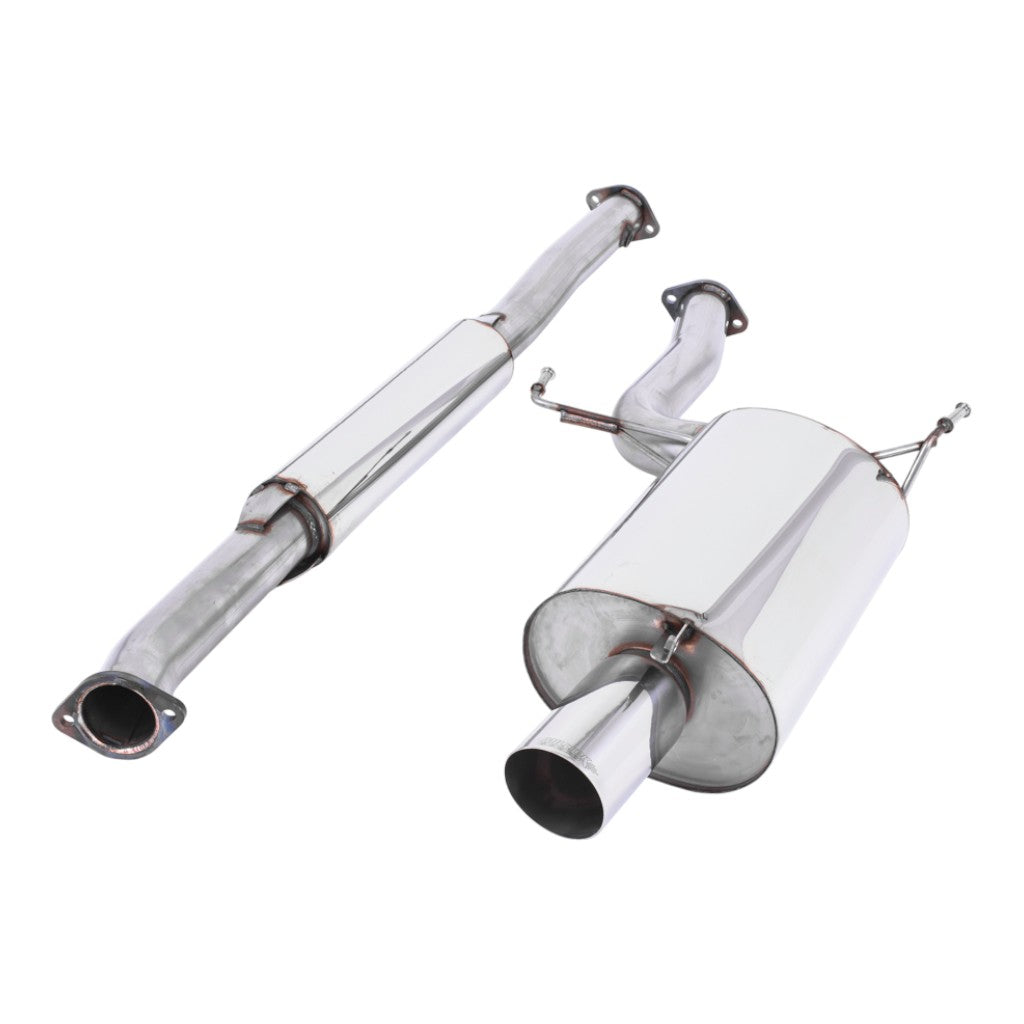
Performance upgrades for the Evo 7–9 often begin with improving exhaust flow and turbocharger efficiency. Upgraded down-pipes, exhaust manifolds, and cat-back exhaust systems from manufacturers such as HKS and MILLTEK reduce restriction while improving boost response and overall airflow behavior under load.
- Improved turbo spool during acceleration
- Reduced exhaust backpressure under sustained boost
- Sharper throttle response during transient load changes
- More aggressive turbocharged exhaust acoustics
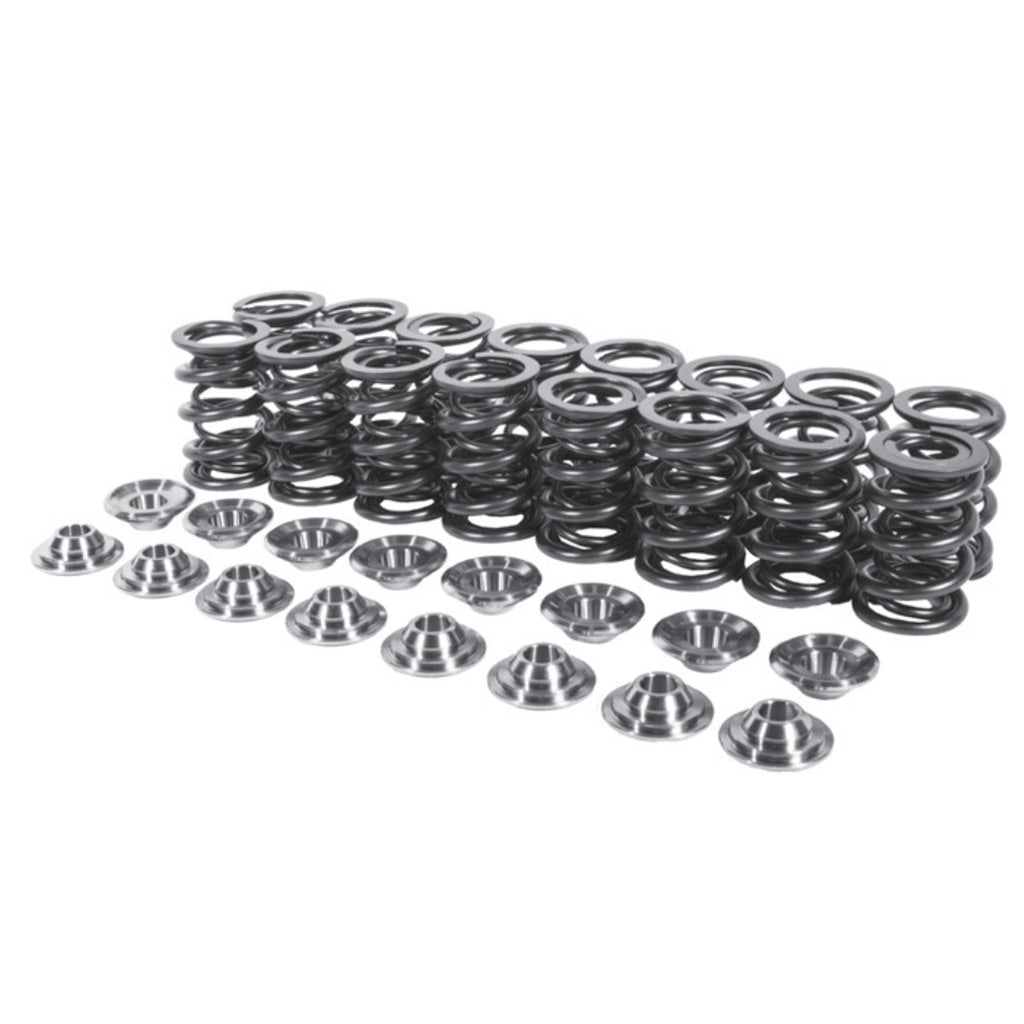
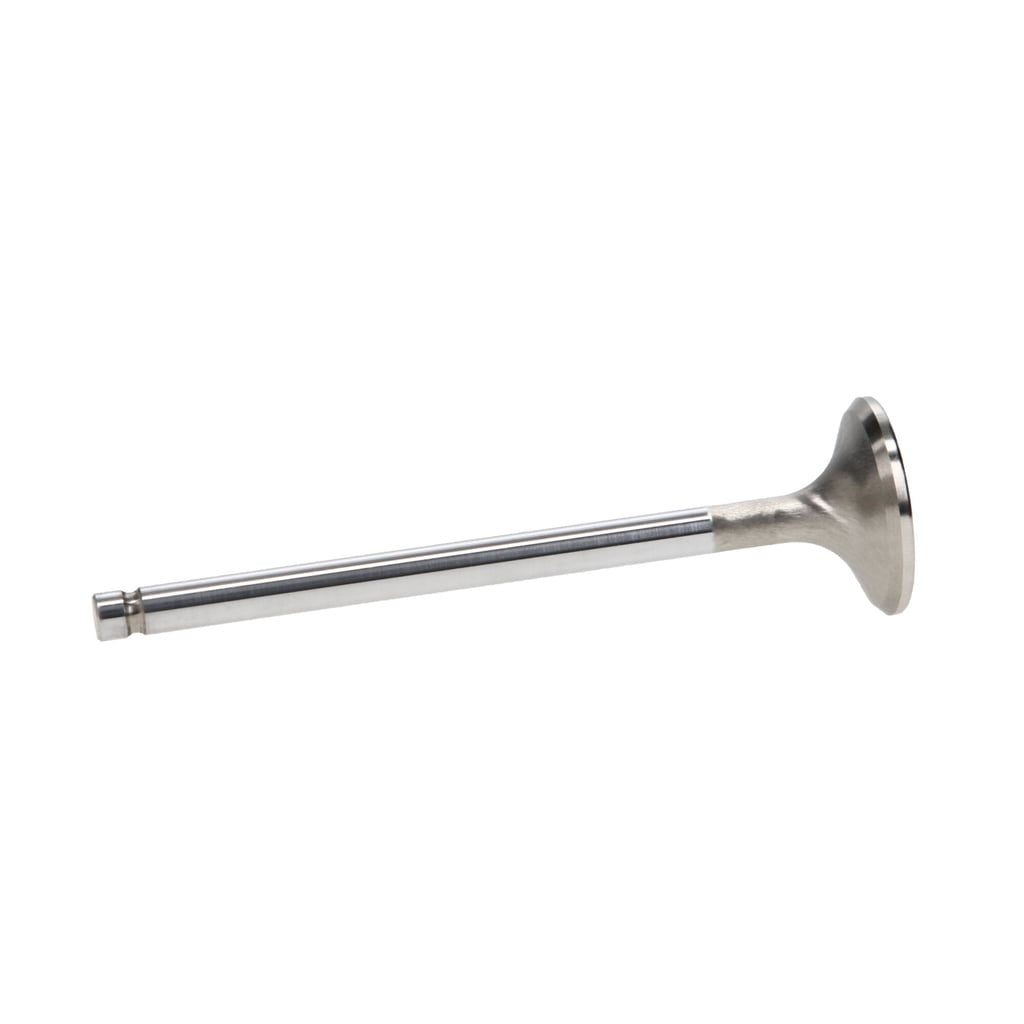
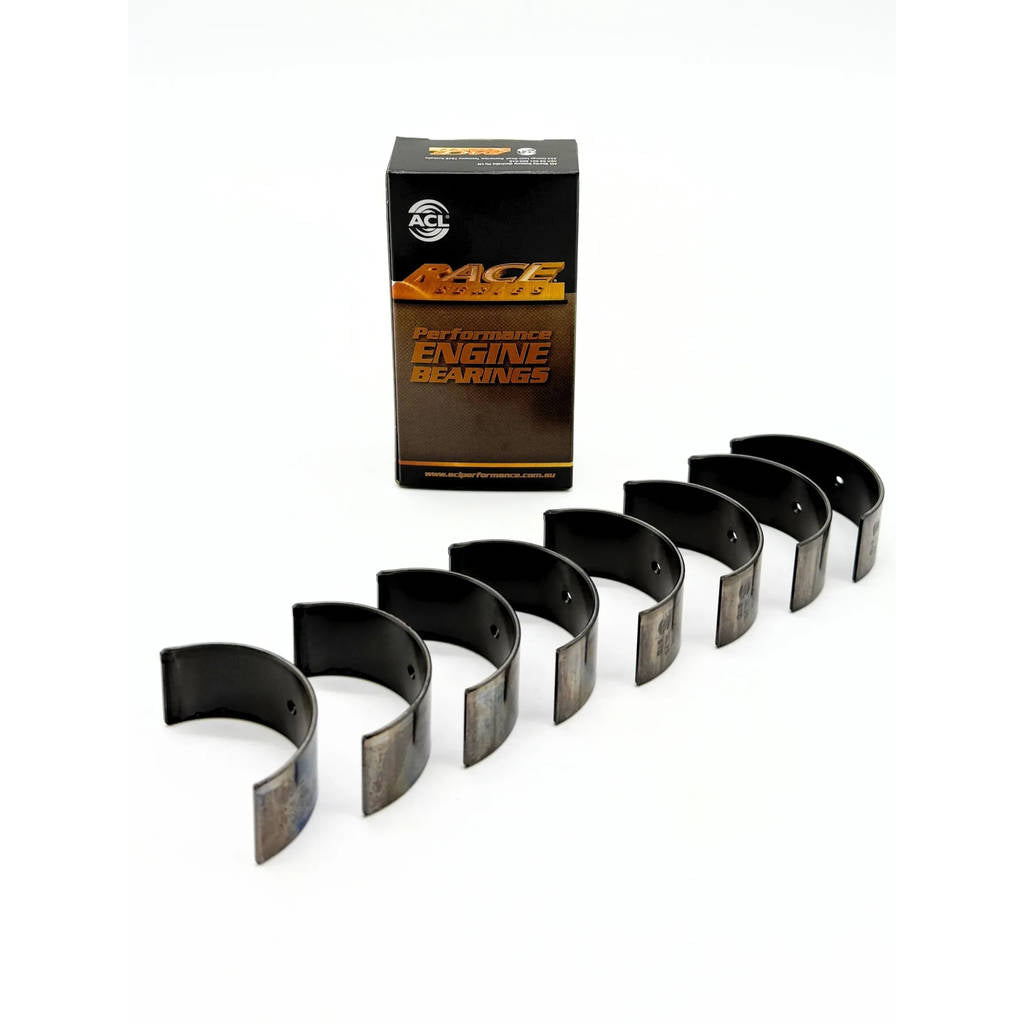
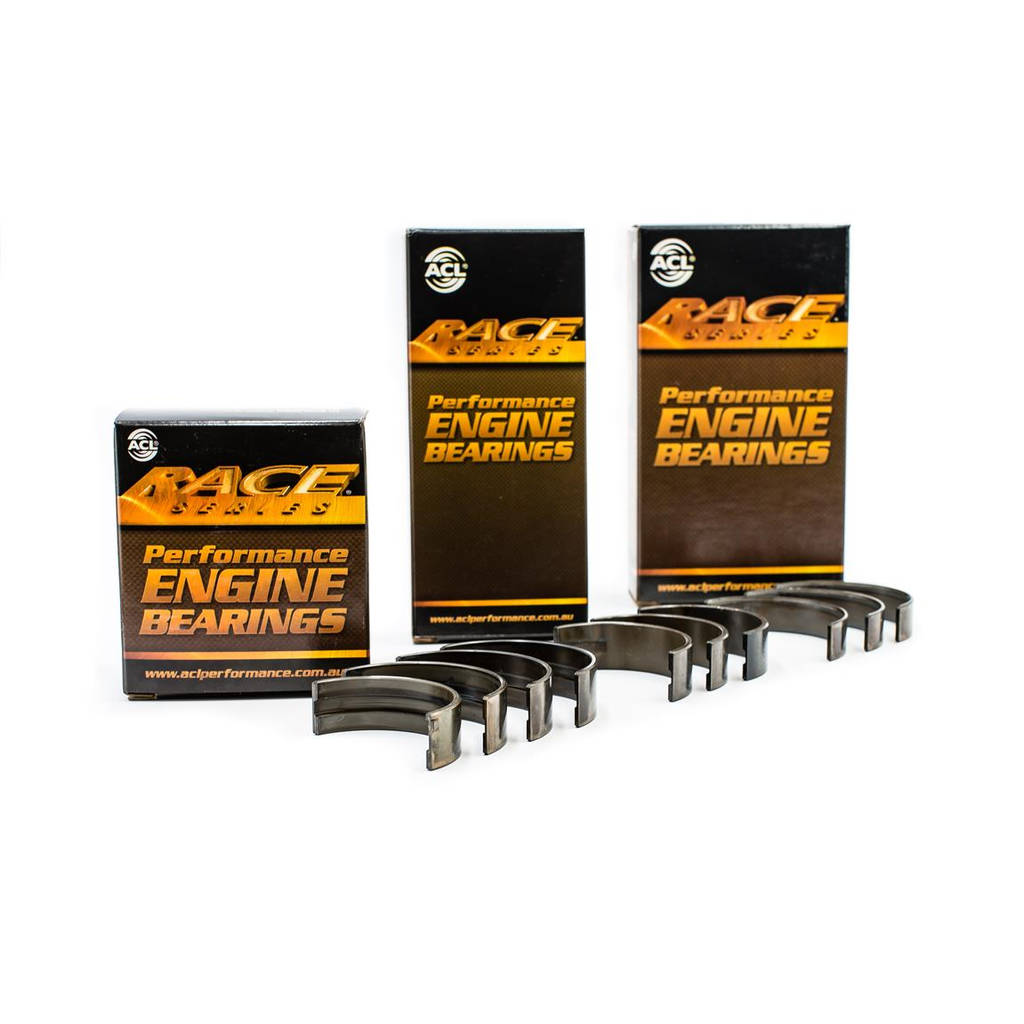
As boost pressure and thermal load increase, reinforced internal engine components become increasingly important. Upgraded main bearings, rod bearings, valve springs, valves, and forged engine hardware from manufacturers such as ACL, MANLEY, and COMETIC improve long-term reliability in high-output applications.
Active AWD Systems and Mechanical Chassis Communication
One of the defining characteristics of the Evo 7–9 platform is the sophistication of its AWD system. Mitsubishi’s advanced drivetrain technologies, including Active Yaw Control (AYC) and Active Center Differential (ACD), gave the Evolution a uniquely aggressive and responsive handling balance that separated it from conventional AWD performance sedans.
Unlike AWD systems focused purely on maximizing traction, the Evolution drivetrain actively influenced chassis rotation and cornering behavior. The rear differential remained highly engaged during throttle application, allowing the platform to rotate aggressively while maintaining exceptional stability during rapid directional changes.
This combination of mechanical grip and active drivetrain behavior became central to the Evo identity. On technical mountain roads, rally stages, and fast circuits, the Evo 7–9 felt incredibly reactive to steering input, braking balance, and throttle modulation.
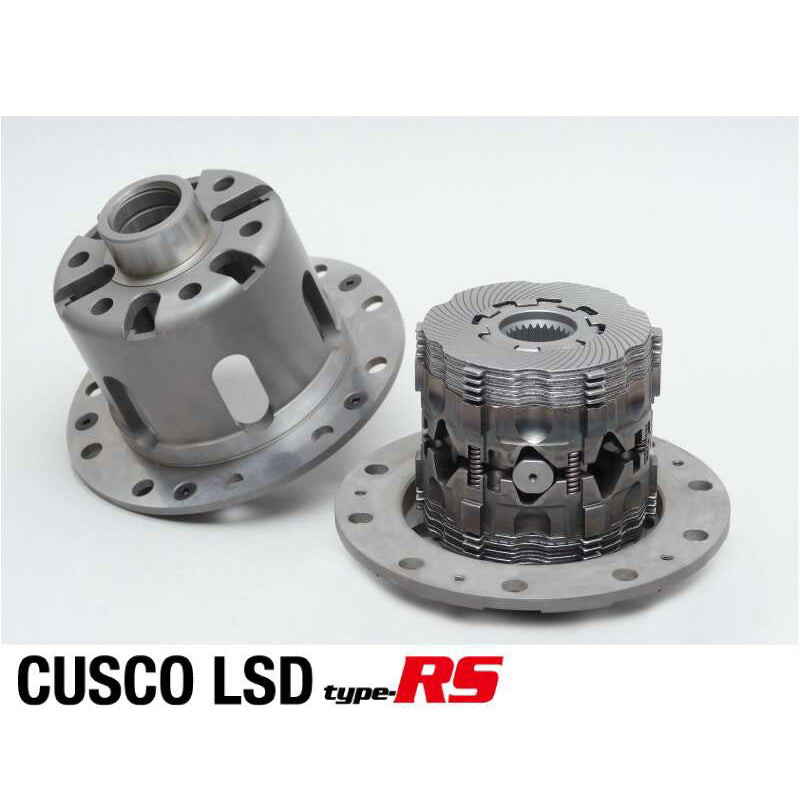
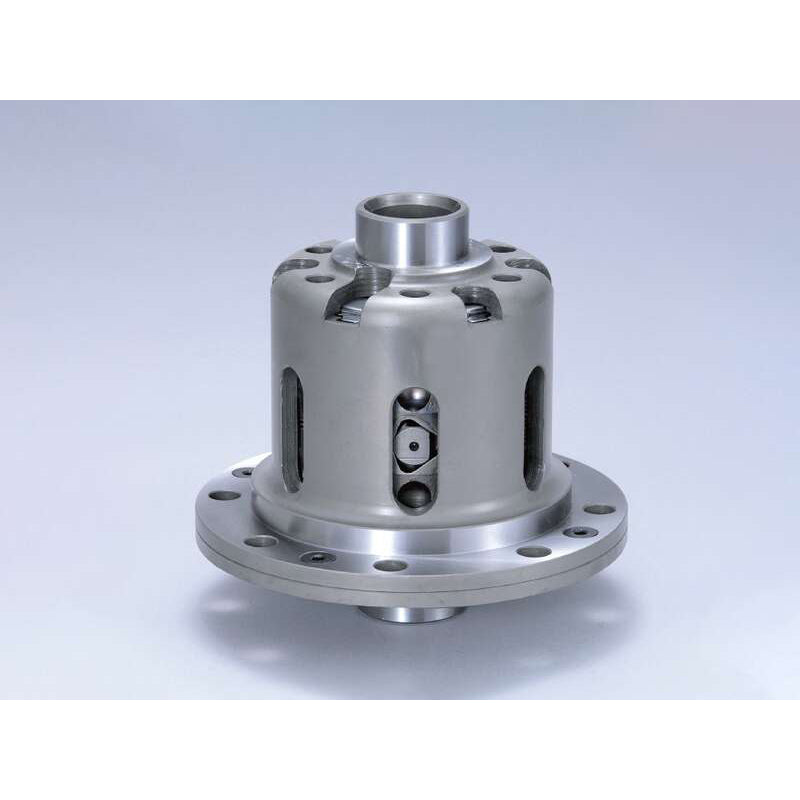
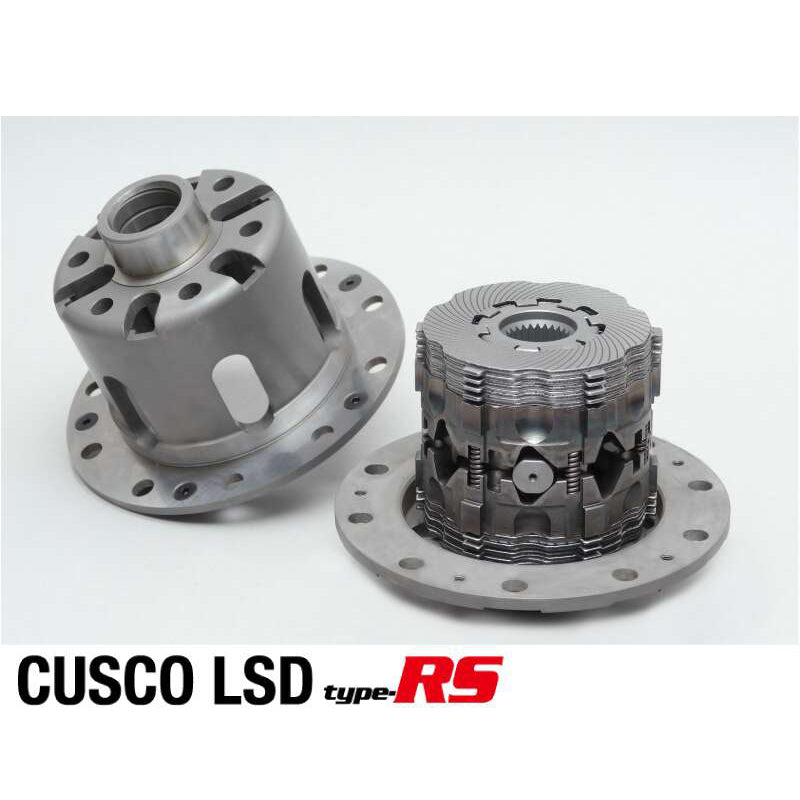
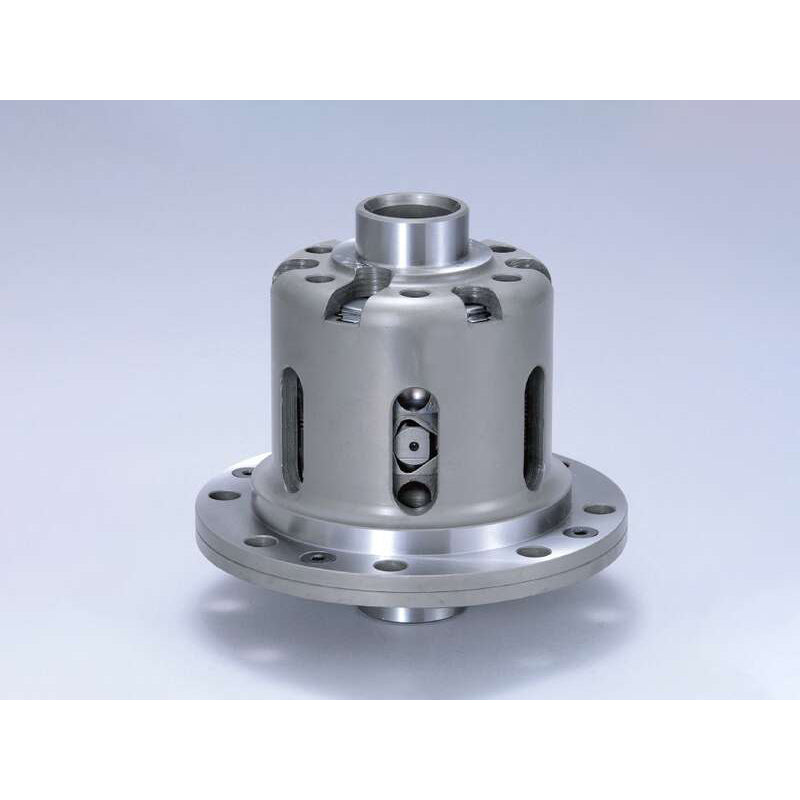
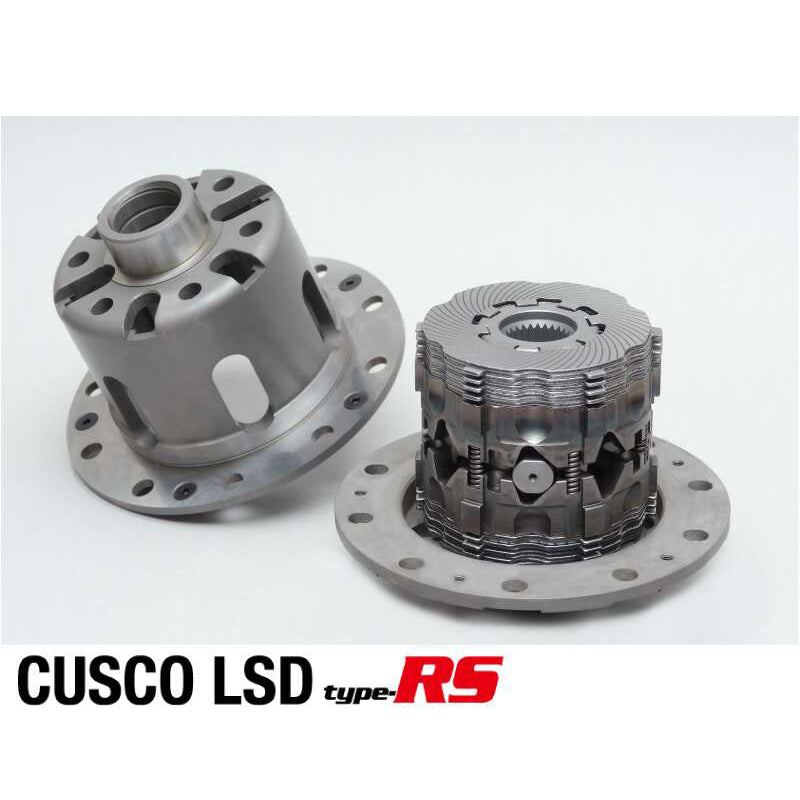
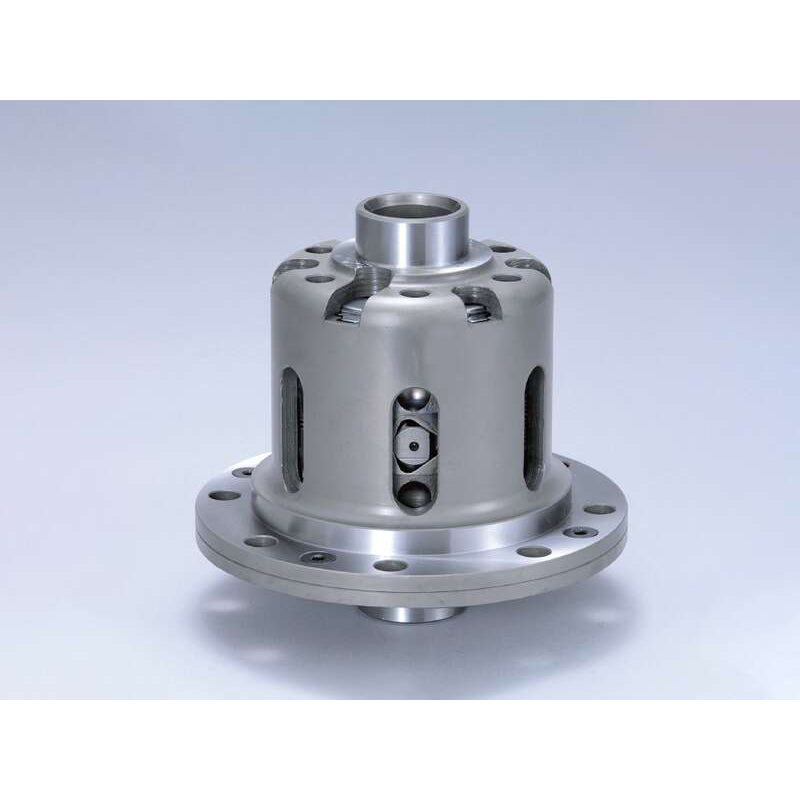
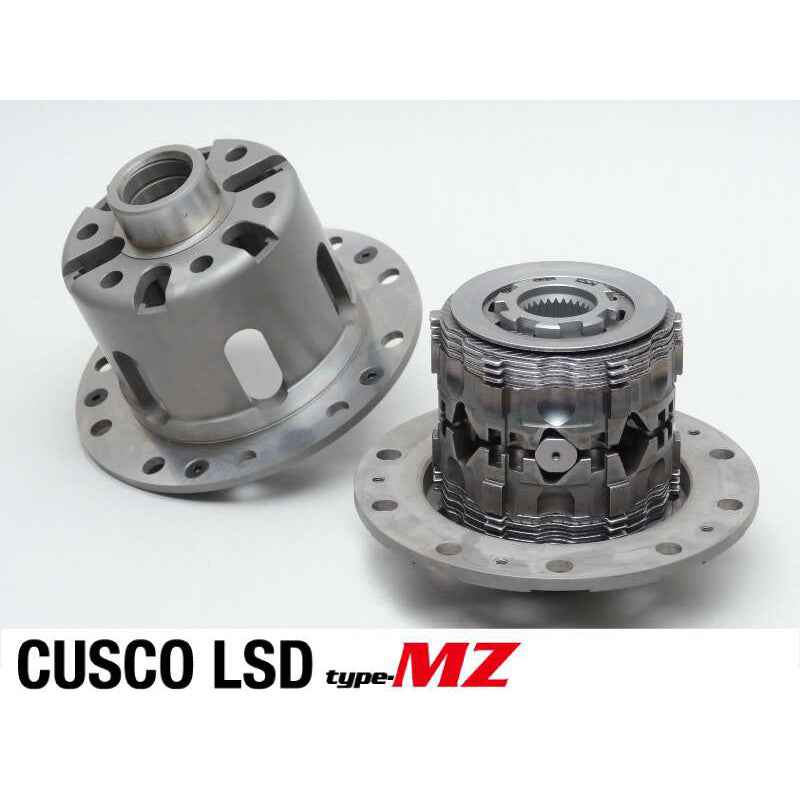
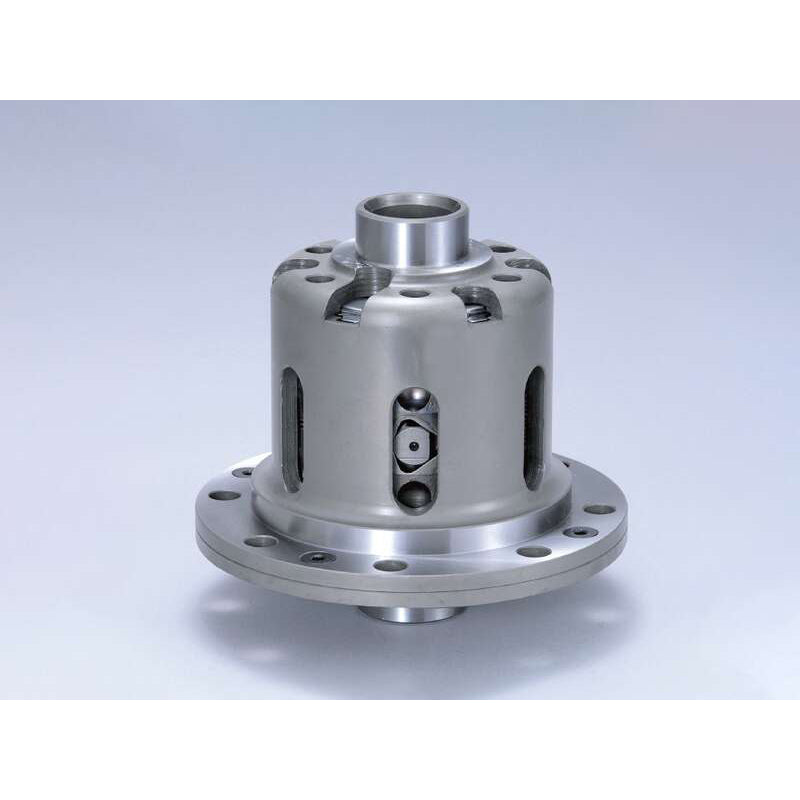
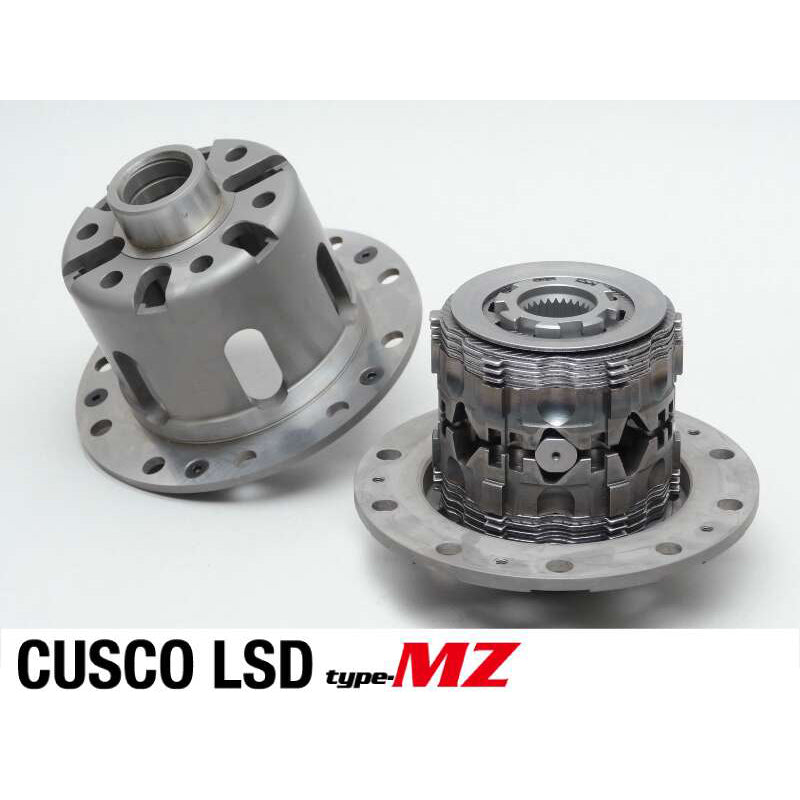
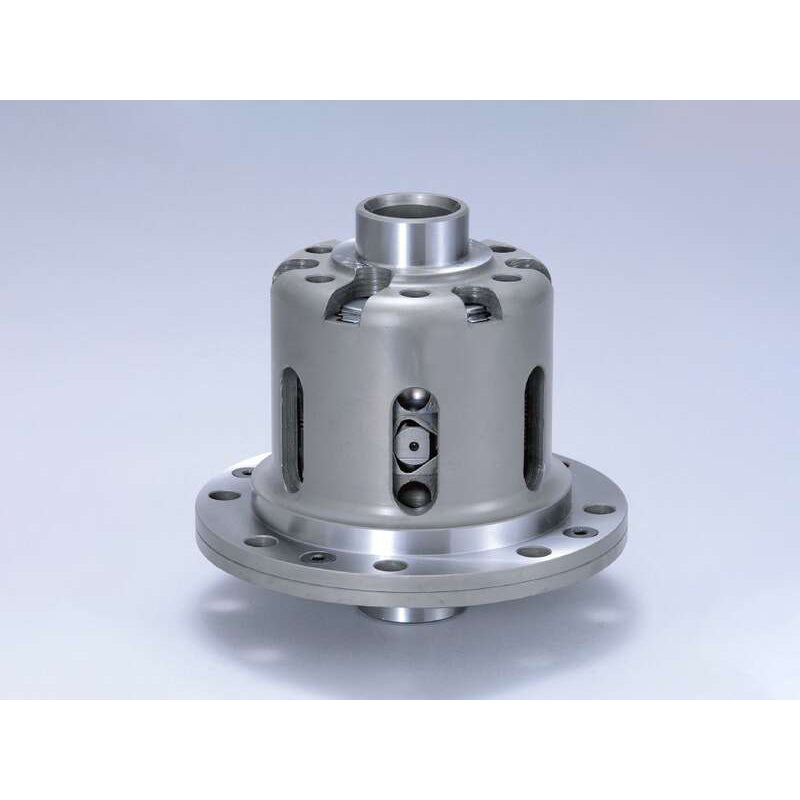
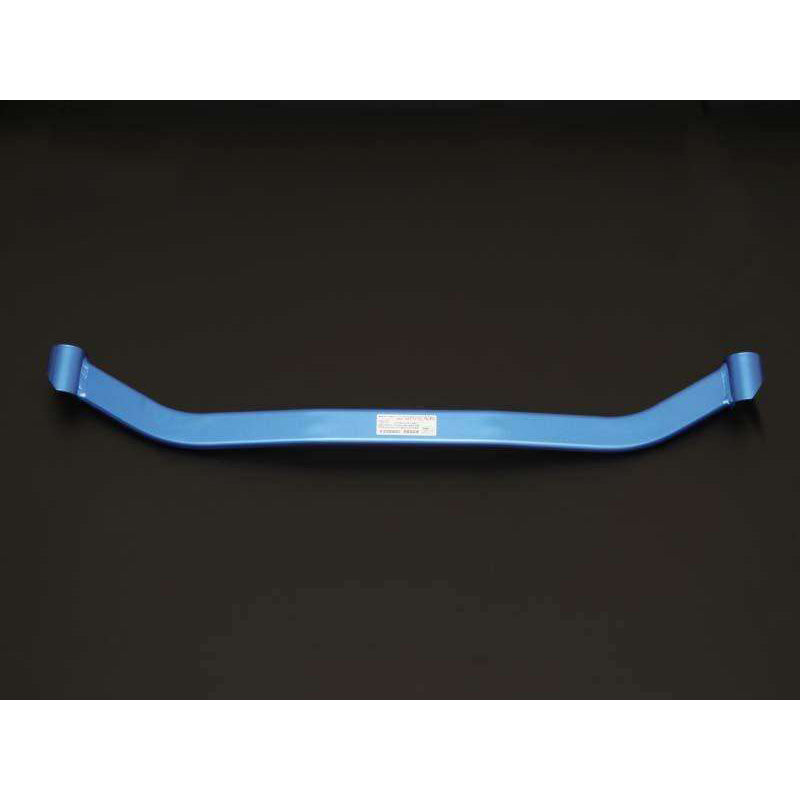
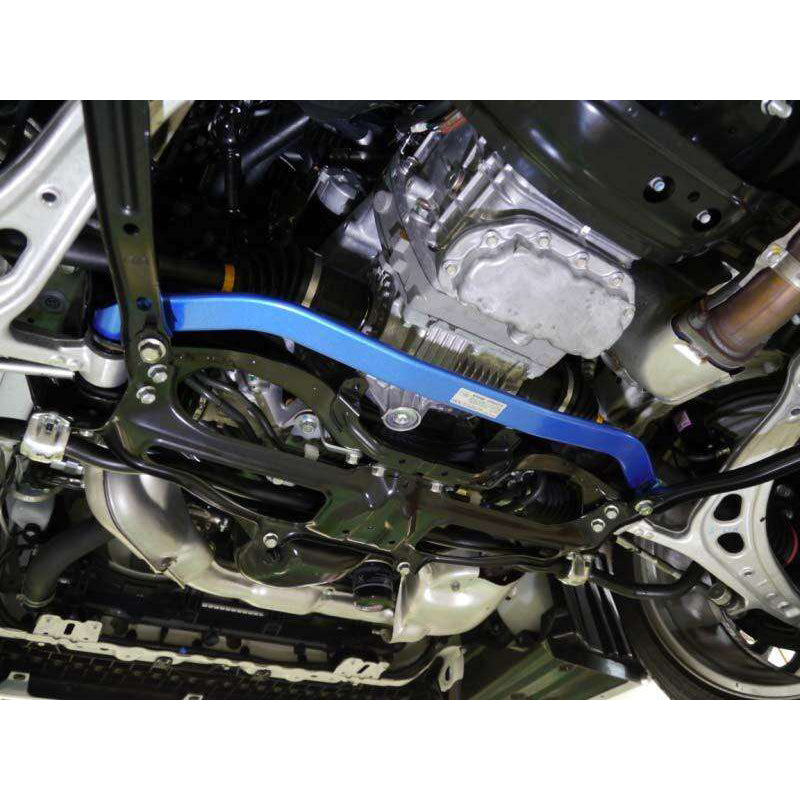
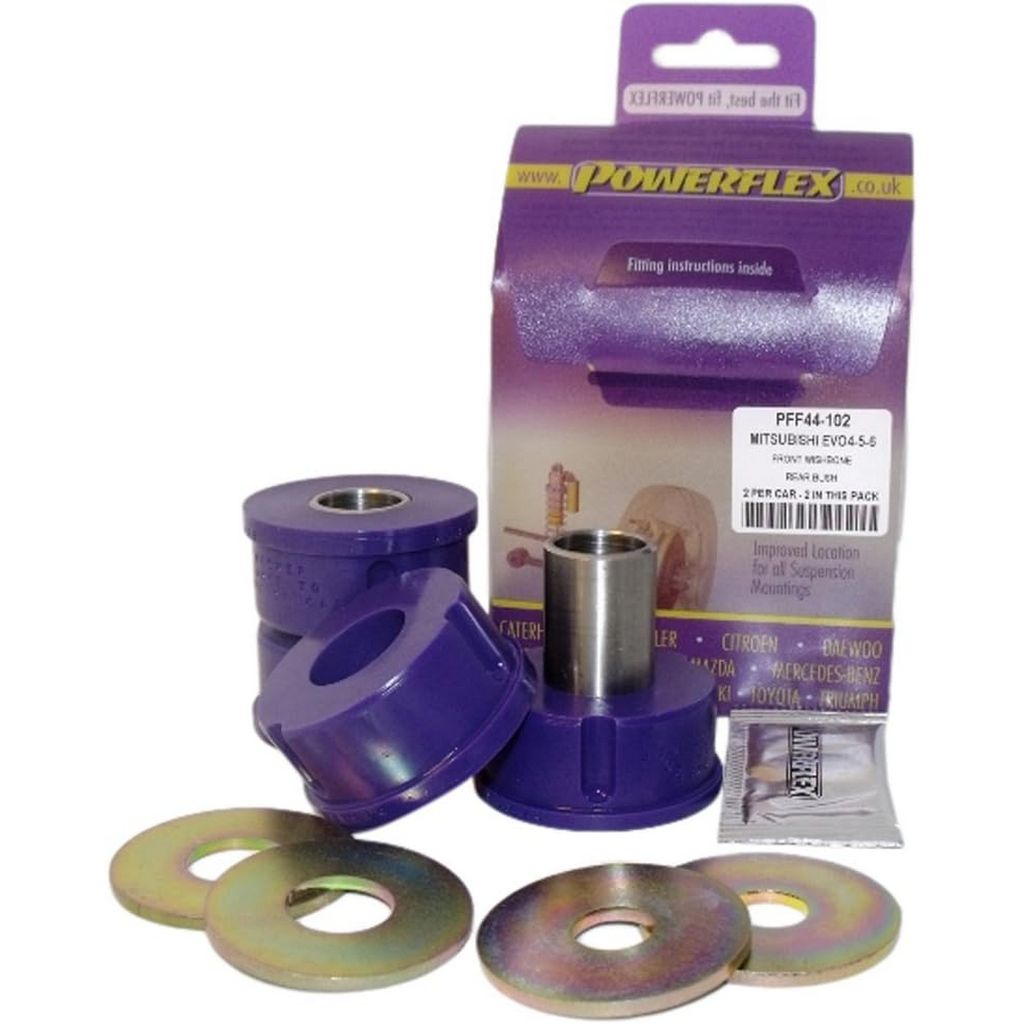
Upgraded differential carriers, reinforced drivetrain bushings, and chassis reinforcement components from manufacturers such as CUSCO, HARDRACE, and POWERFLEX improve drivetrain rigidity and reduce unwanted movement during aggressive launches and high-load cornering.
- Improved AWD torque transfer consistency
- Reduced drivetrain flex during acceleration
- Sharper chassis rotation under throttle
- More stable corner-exit traction behavior
These upgrades become especially important on track-oriented and higher-horsepower builds where drivetrain precision strongly influences confidence and cornering predictability near the limit.
CT9A Suspension Geometry and Rally-Derived Chassis Balance
The Evolution 7–9 platform remains highly respected because of its suspension geometry and exceptionally communicative chassis behavior. Unlike heavier modern AWD performance platforms that prioritize isolation, the CT9A chassis constantly delivers detailed feedback through steering load, suspension compression, and weight transfer behavior.
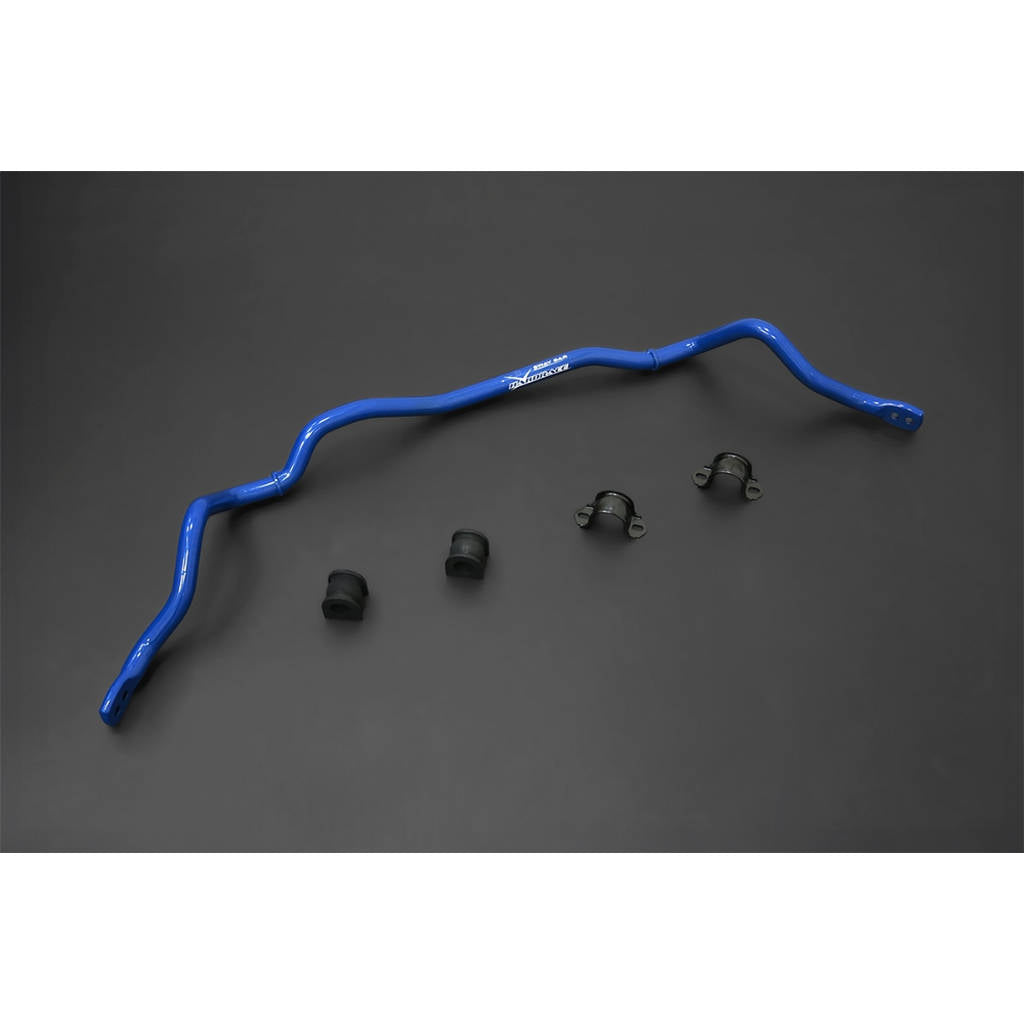
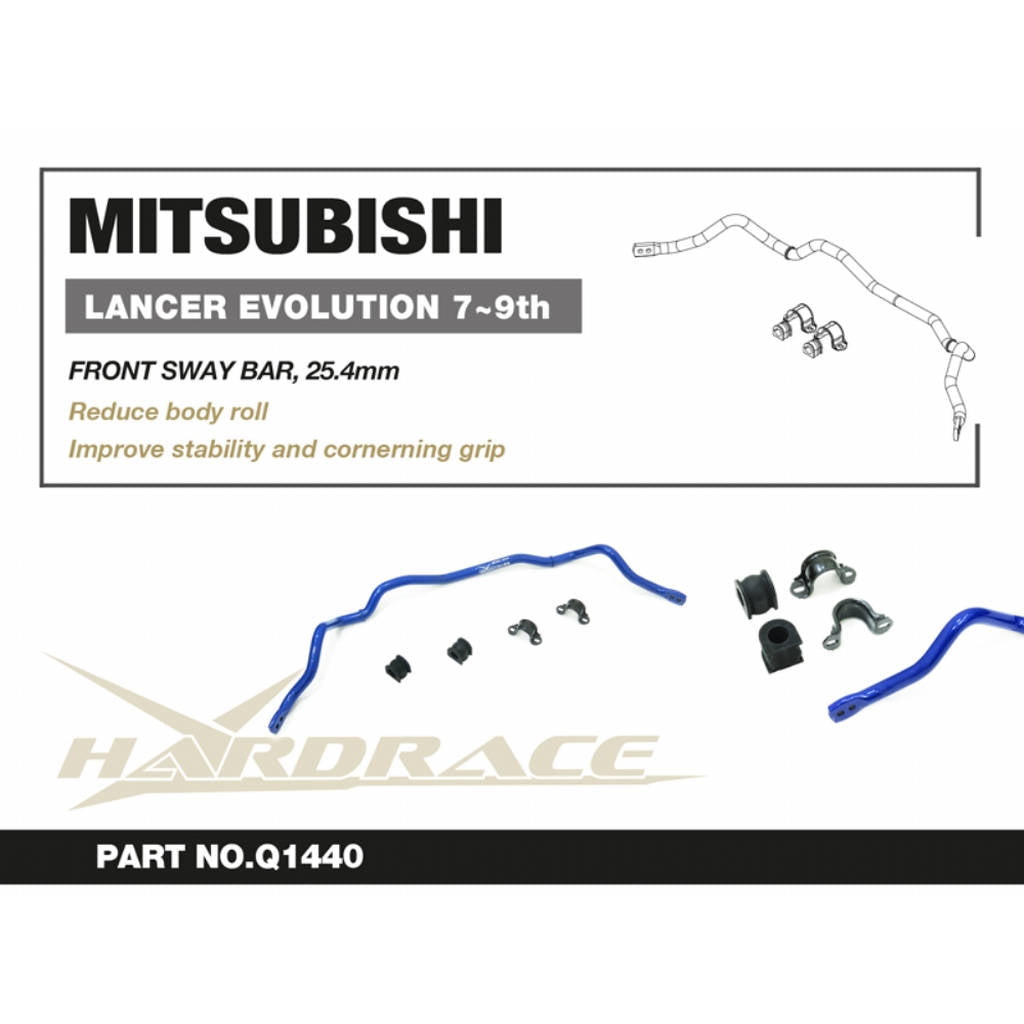
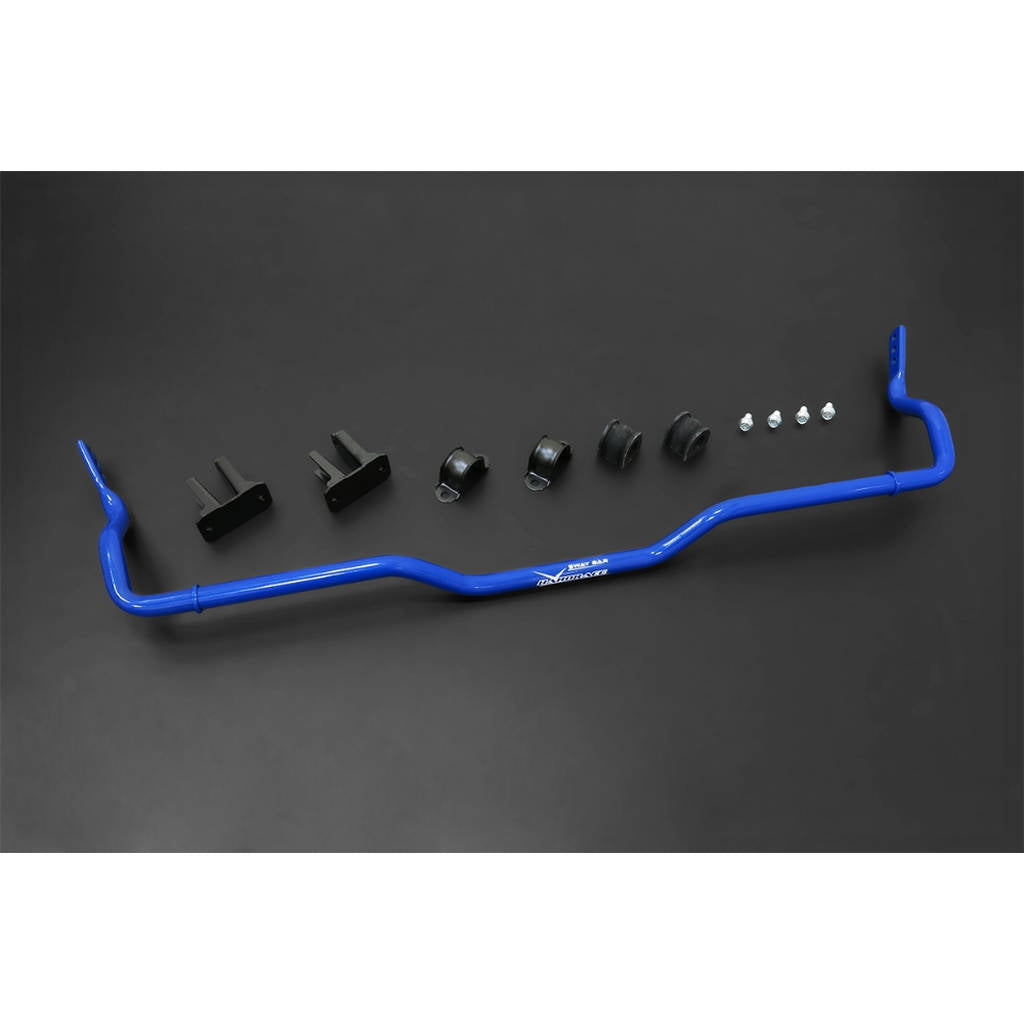
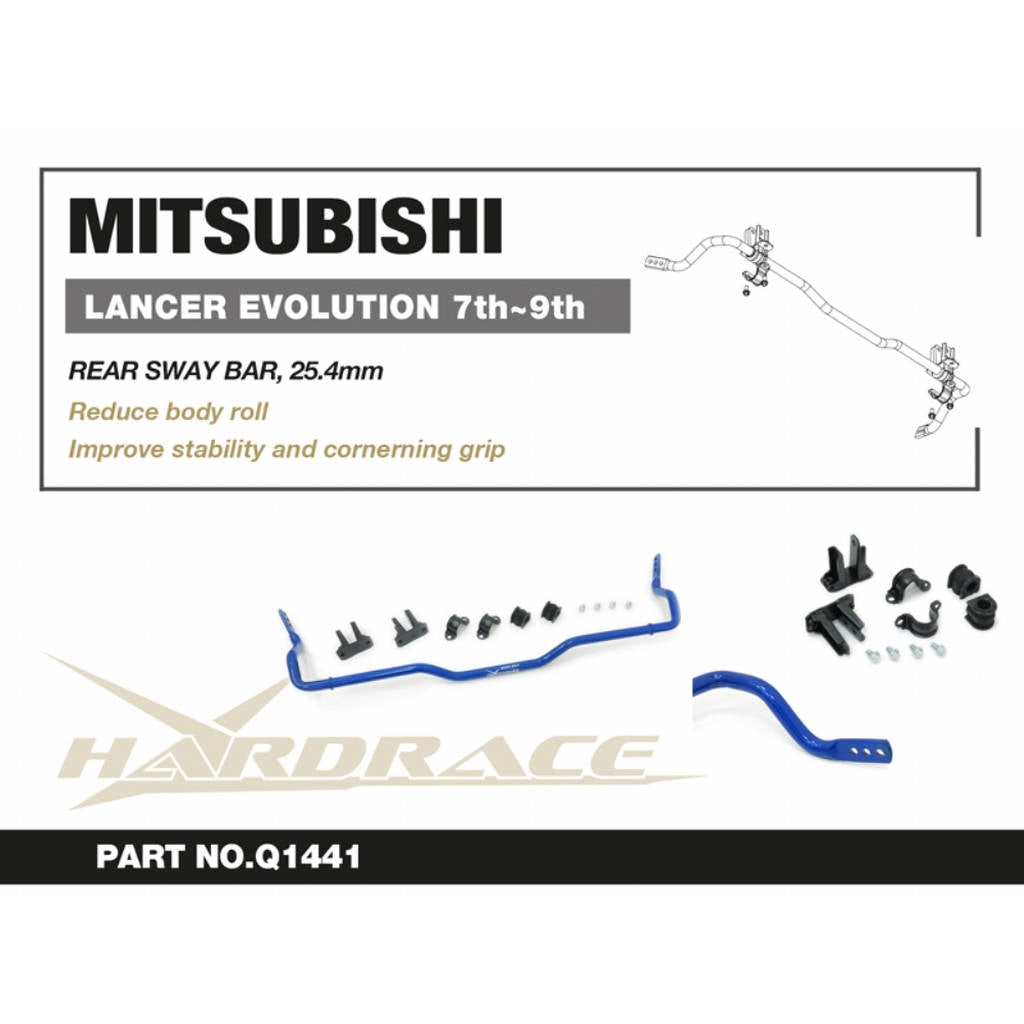
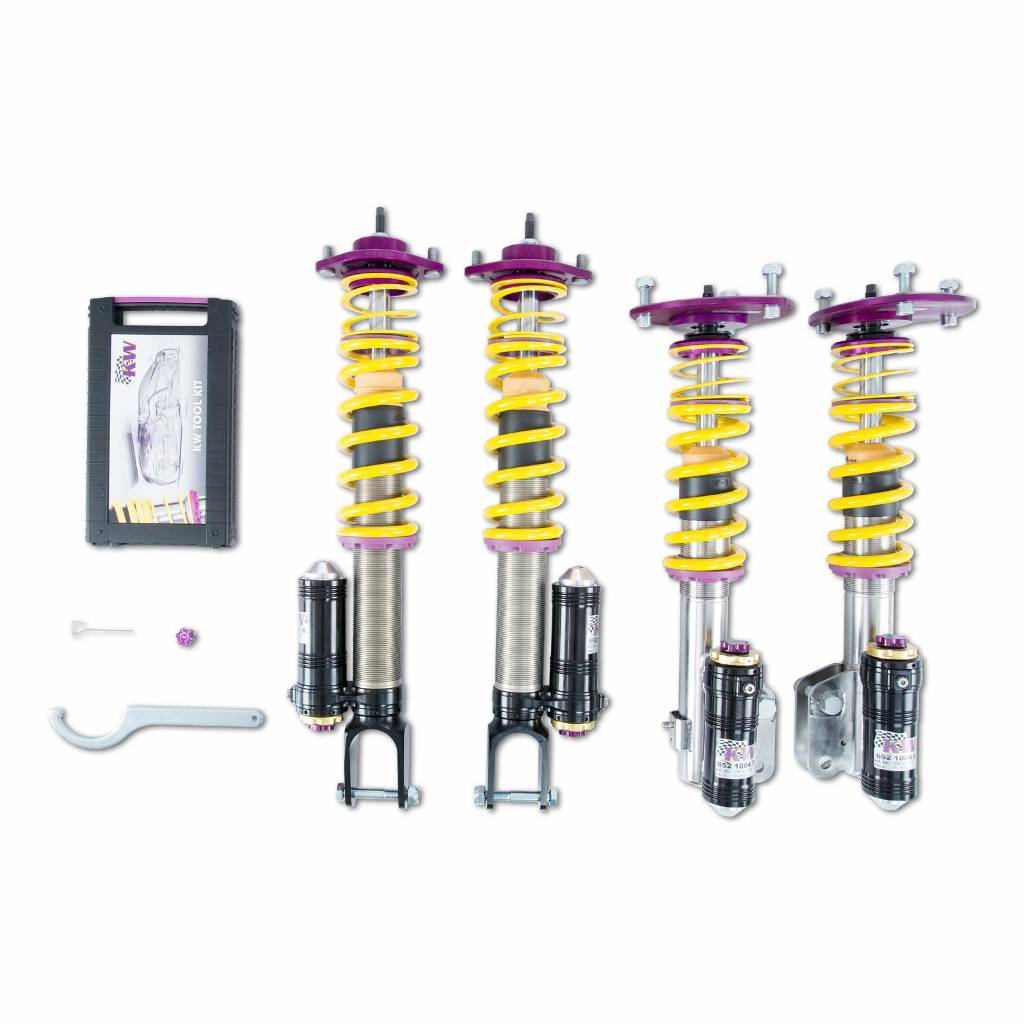
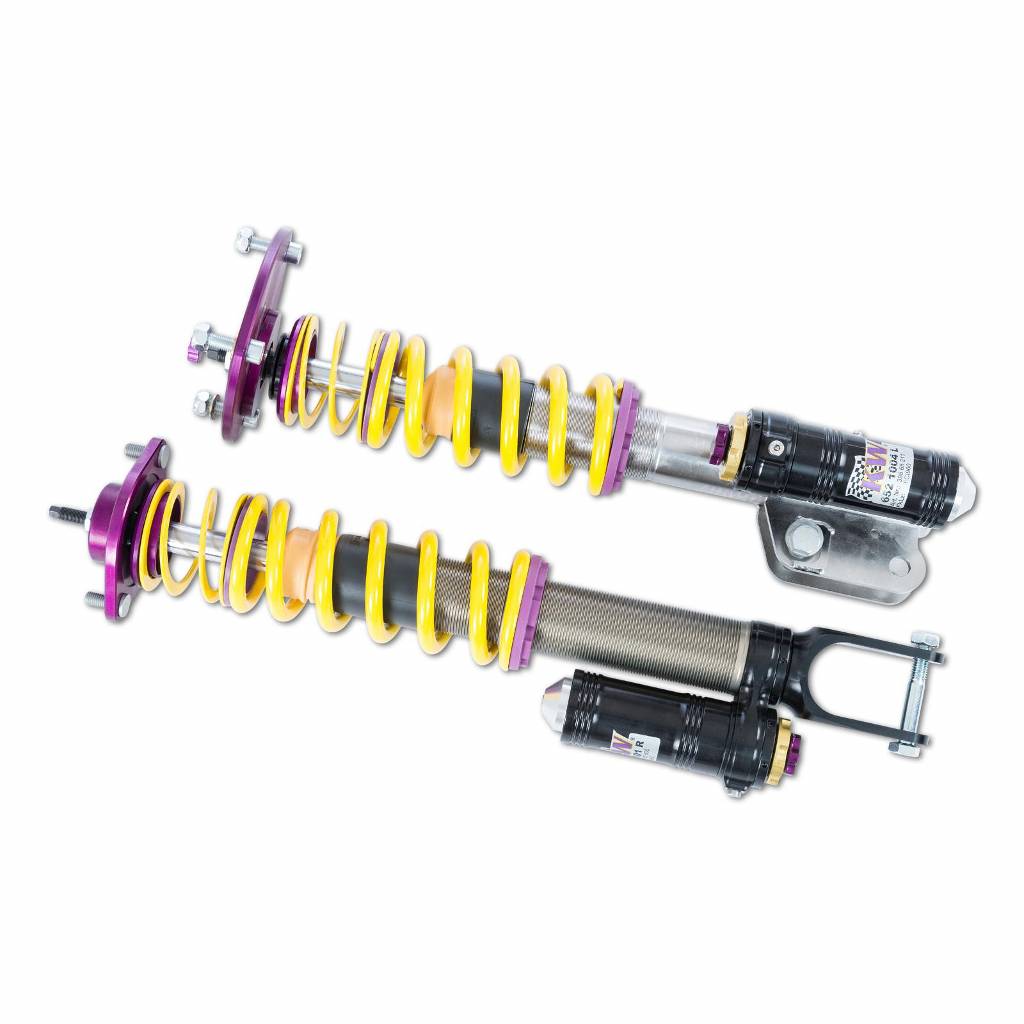
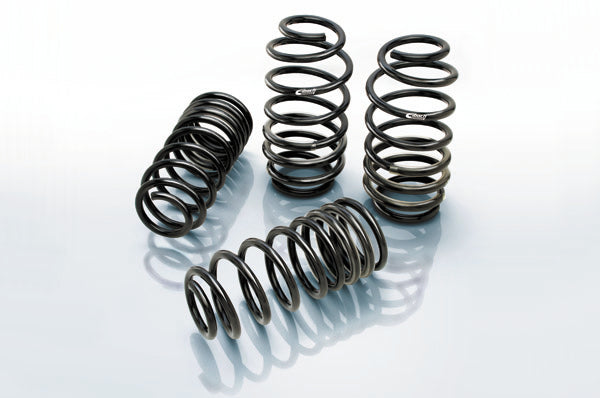
Factory suspension tuning already provides remarkable front-end grip and directional response, but advanced suspension setups significantly improve composure during aggressive braking, high-speed cornering, and rapid transitions. Adjustable coilover systems, suspension kits, sway bars, and chassis braces from manufacturers such as OHLINS, KW Automotive, CUSCO, EIBACH, and HARDRACE allow drivers to refine damping characteristics and chassis balance for road or circuit use.
- Reduced chassis movement under high lateral load
- Sharper steering response during turn-in
- Improved damping consistency during rapid transitions
- Enhanced cornering stability during trail braking
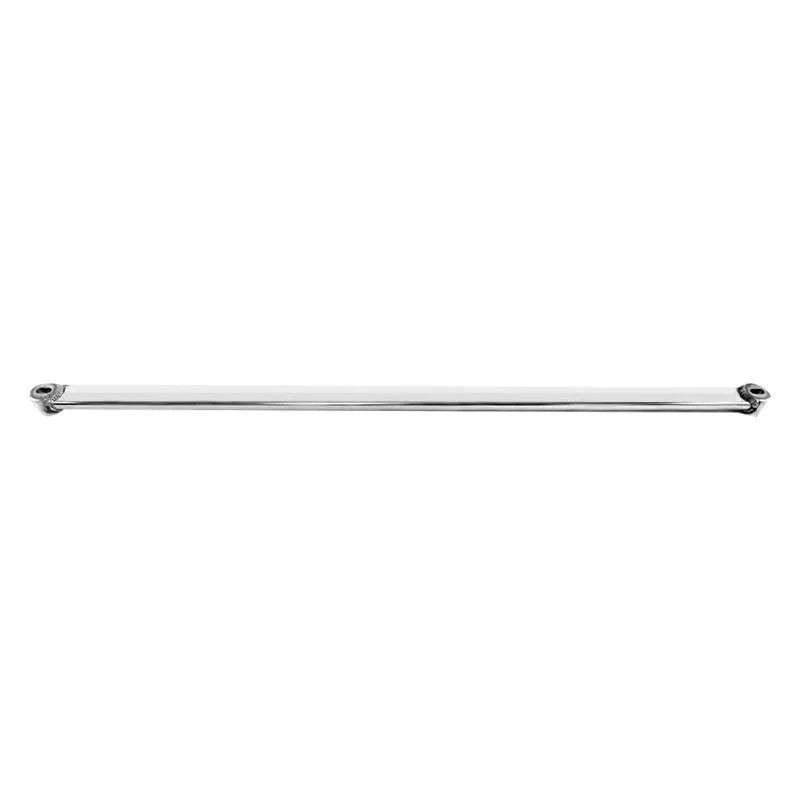
Additional control arms, power braces, and reinforced suspension mounting points improve geometry stability while helping maintain predictable chassis behavior during aggressive driving.
Brake Performance and High-Speed Stability
The combination of AWD traction, turbocharged acceleration, and aggressive chassis balance allows the Evo 7–9 platform to maintain substantial speed through technical sections of road and track. As grip levels and horsepower increase, braking consistency becomes one of the most important factors influencing overall driver confidence.
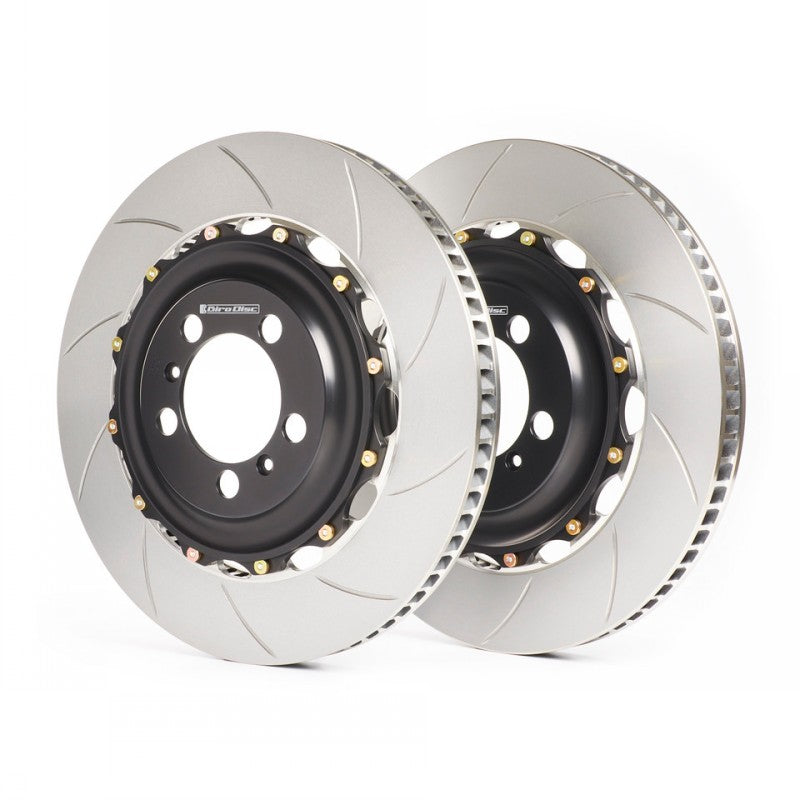
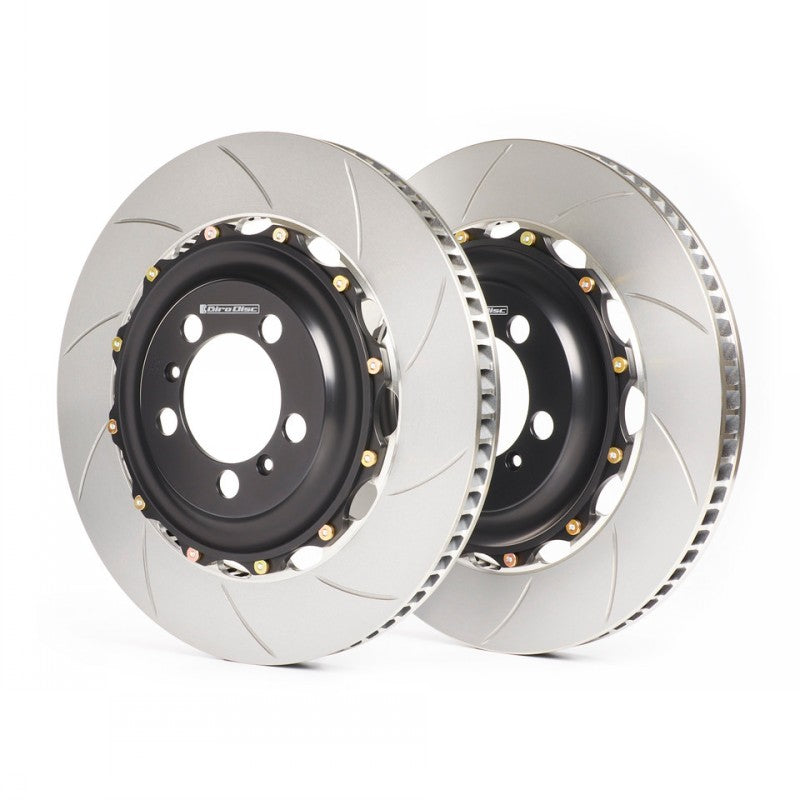
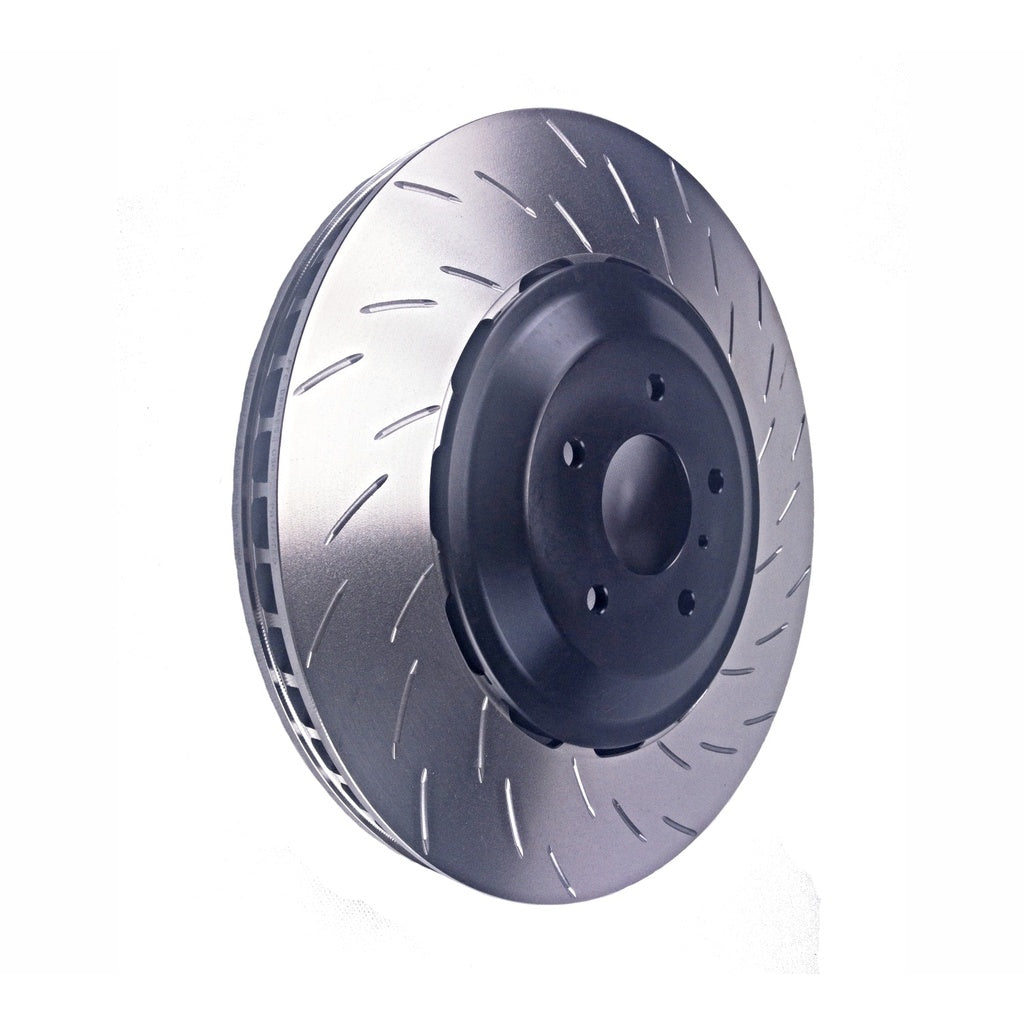
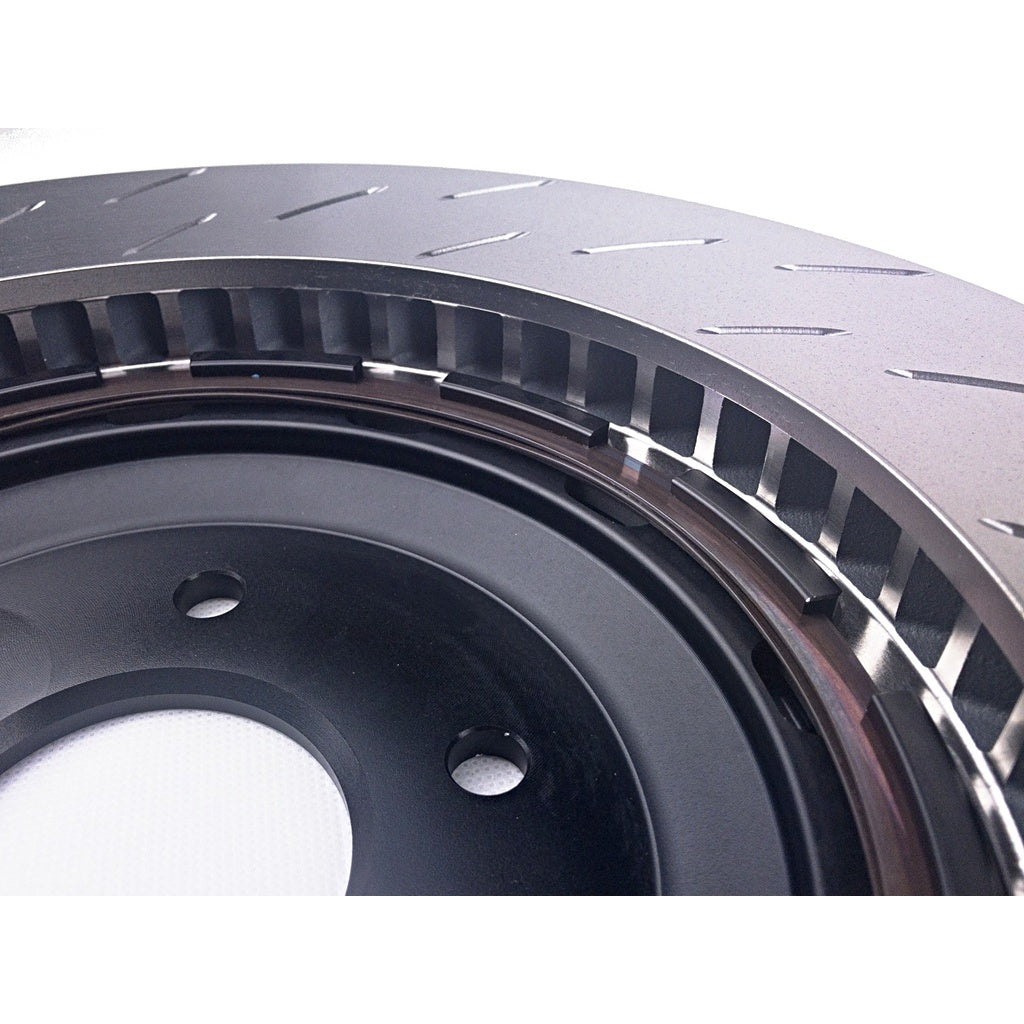
High-performance brake pads, lightweight rotor assemblies, and motorsport braking systems from manufacturers such as PFC Brakes, PAGID, FERODO Racing, ENDLESS, and GIRODISC significantly improve thermal stability during repeated heavy braking cycles.
- Improved resistance to brake fade during track driving
- More stable pedal feel under repeated load
- Enhanced braking modulation approaching corner entry
- Reduced unsprung mass with lightweight rotor assemblies
Stable braking characteristics allow drivers to exploit the highly reactive nature of the CT9A chassis more effectively while improving confidence during aggressive trail braking and rapid direction changes.
Cooling Efficiency and Reliability Under Sustained Load
Turbocharged AWD platforms operating under sustained boost pressure generate significant thermal load, particularly during circuit driving and higher-horsepower applications. Although the Evo 7–9 platform was engineered with motorsport durability in mind, aggressive tuning setups place substantial stress on coolant and oil temperature stability.
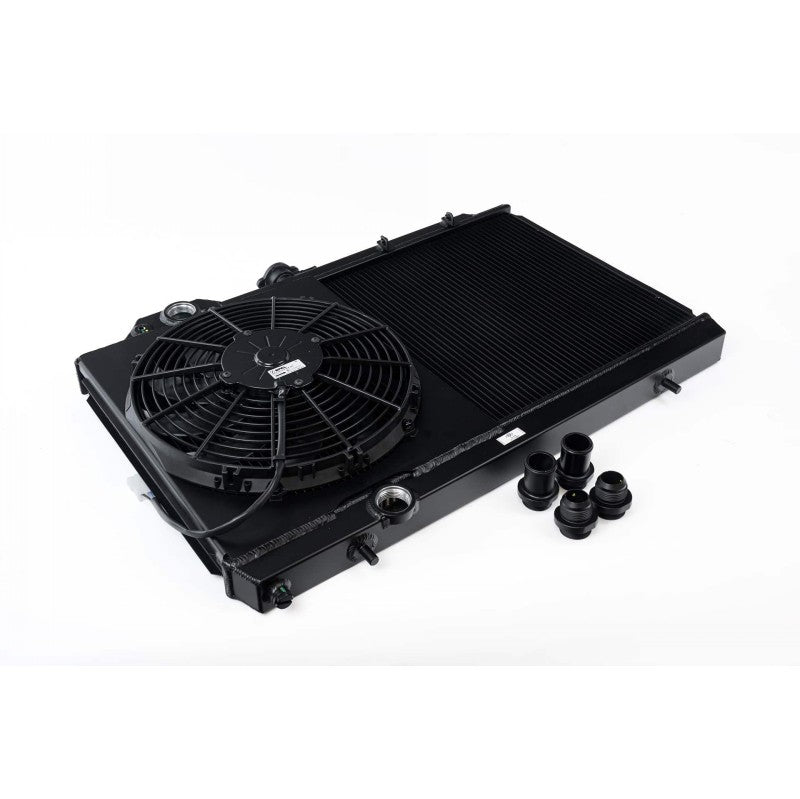
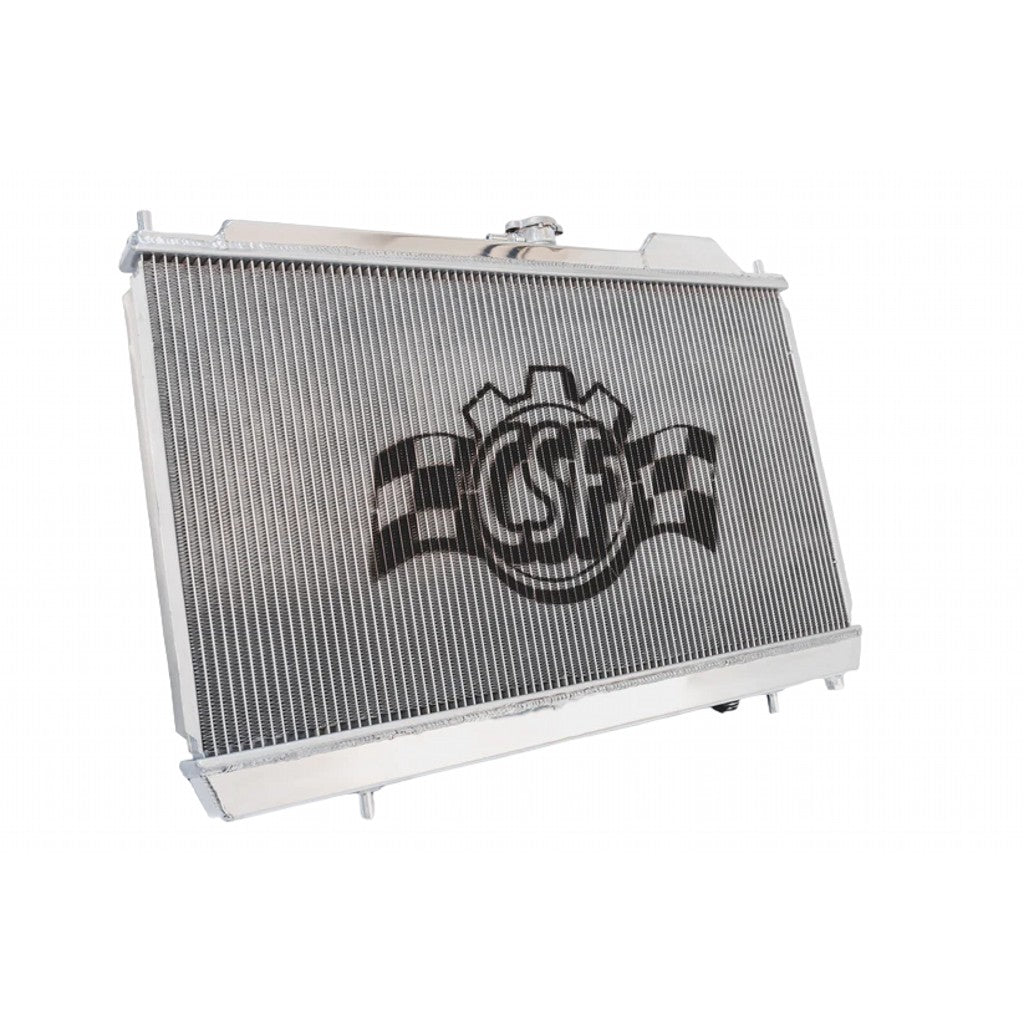
Upgraded radiators, thermal management systems, and cooling components from manufacturers such as CSF significantly improve heat dissipation efficiency during prolonged high-load operation.
- Improved coolant stability during aggressive driving
- Reduced heat soak under sustained boost pressure
- Enhanced long-term engine reliability
- More consistent turbocharger performance during extended sessions
For track-focused Evolution builds, reliable thermal management becomes essential not only for durability but also for maintaining stable power delivery and predictable drivetrain behavior throughout extended sessions.
Motorsport Seating and Driver-Focused Interior Upgrades
As chassis grip and cornering speeds increase, maintaining a stable driving position becomes increasingly important. During aggressive braking and high lateral load, excessive body movement inside the cabin reduces steering precision and overall driver confidence.
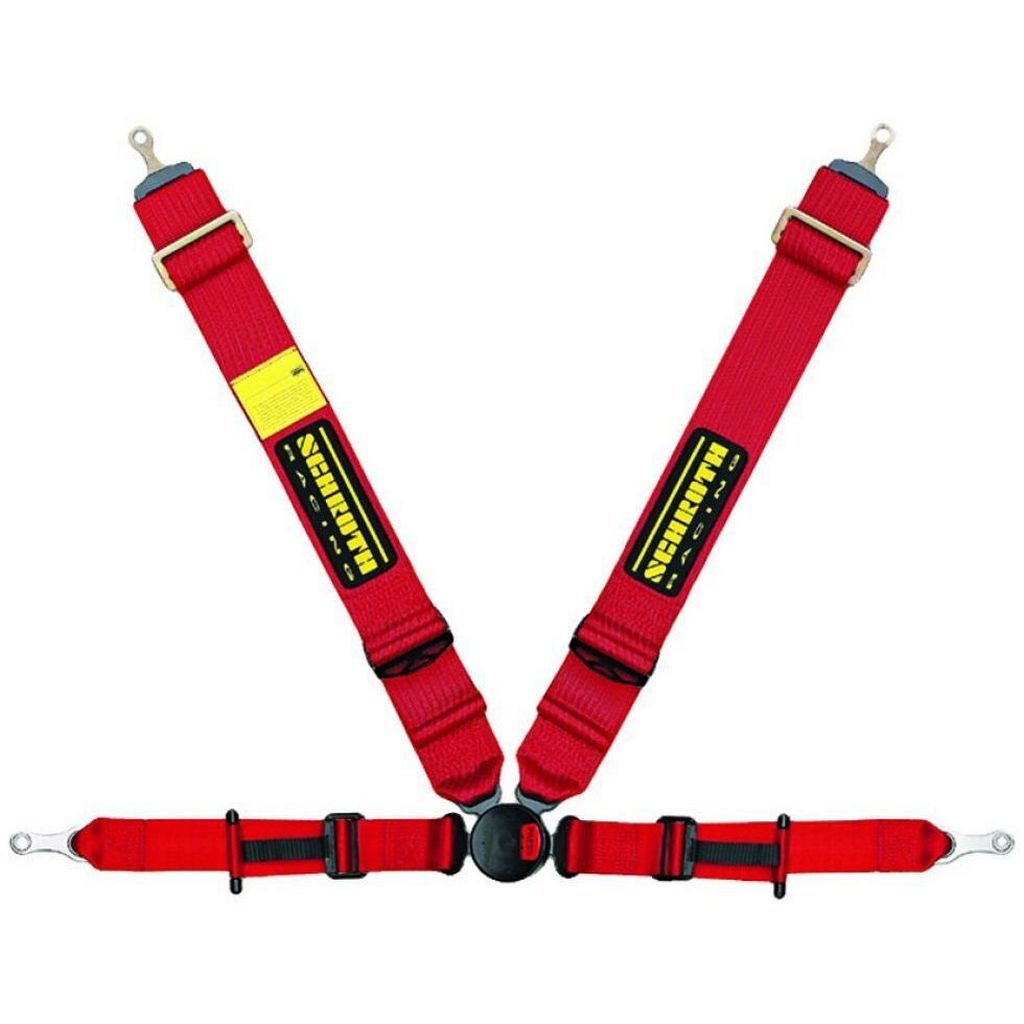
Upgraded sport seats, reinforced mounting systems, and harness solutions from manufacturers such as RECARO, BRIDE, and SCHROTH improve lateral support while creating a more focused motorsport-inspired cockpit environment.
- Improved driver stability during high-speed cornering
- Reduced fatigue during extended driving sessions
- Enhanced steering and pedal precision
- More consistent driver positioning under aggressive load transfer
Combined with reinforced seat brackets and proper mounting hardware, these upgrades significantly improve driver confidence during track driving and high-performance road use.
The Evo 7–9 Legacy in Modern Enthusiast Culture
The Mitsubishi Evolution 7–9 remains one of the most respected AWD turbocharged platforms in global enthusiast culture because it successfully combined rally-derived engineering, aggressive mechanical feedback, and enormous tuning potential into a highly focused driver-oriented package.
Unlike many modern AWD performance cars that rely heavily on software calibration and electronic intervention, the Evo 7–9 platform rewards active driver involvement and mechanical understanding. Chassis rotation, boost management, braking precision, and drivetrain behavior all remain deeply connected to driver input.
This raw and highly communicative personality continues to make the CT9A generation exceptionally popular among track-day drivers, time attack builds, rally enthusiasts, and collectors searching for one of the purest analog AWD turbocharged driving experiences ever created.
Mitsubishi Evo 7–9 – The Ultimate Analog AWD Turbo Platform
The Mitsubishi Evolution 7–9 represents the peak of the analog AWD turbocharged era. Its combination of 4G63 turbocharged power, advanced mechanical AWD systems, highly reactive chassis balance, and aggressive driver feedback continues to deliver one of the most engaging performance driving experiences of the early 2000s.
With carefully selected upgrades from ATOMIC-SHOP, the Evo 7–9 becomes even sharper and more capable while preserving the rally-derived character that made the platform legendary worldwide. Whether the goal is improved braking stability, sharper suspension response, enhanced drivetrain precision, or a fully circuit-focused AWD build, the right performance components allow the CT9A Evolution platform to remain one of the most rewarding Japanese performance cars ever developed.